What Past Live Service Game Failures Can Teach Us About Future Ones
The things that caused LawBreakers and Highguard to fail are more similar than you think.

Welcome back to Remastered! This week, I break down the commonalities and differences between failed live service games throughout the history of online gaming.
If you enjoy what you read, consider subscribing for free or supporting me on Ko-fi!
The failures of LawBreakers and Highguard are more similar than you think
2026 has already had its share of live service flops, like Highguard, 2XKO, and Quantic Dream’s Spellcaster Chronicles. Concurrently, I have been working on my Master’s Degree thesis regarding this very subject by looking at modern cases of live service failure, like Highguard and Concord, as well as historical examples.
For this week’s newsletter, I am sharing some findings that I plan to break down in greater detail in my thesis. Namely, I will be arguing that the same factors that caused live service games to fail in the 2000s still cause games like Highguard to flop today. What has really changed throughout the evolution of the game industry is how we, as players, respond to it.
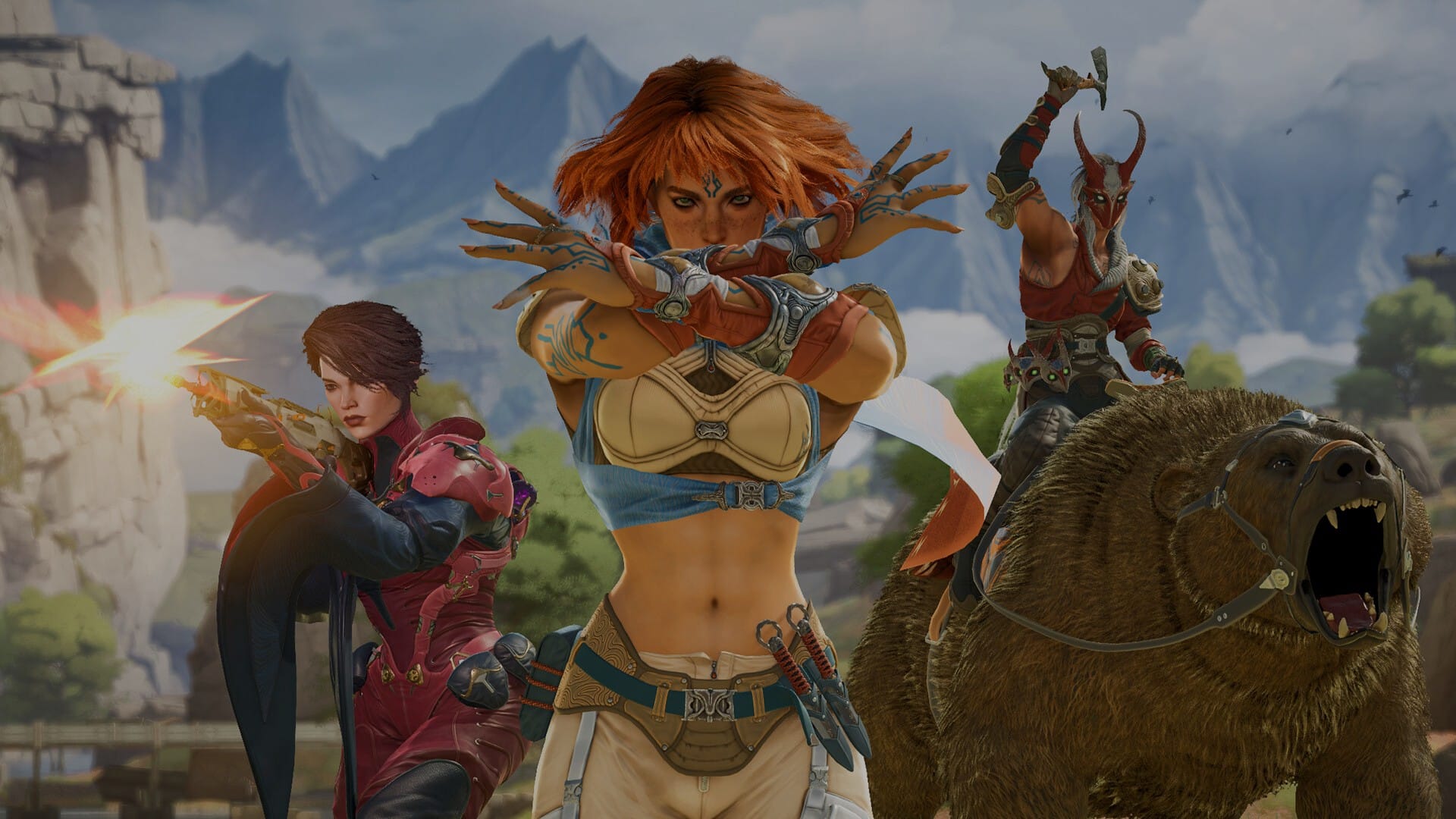
Whether I was analyzing the failure of World of Warcraft clones, LawBreakers, Concord, or Highguard, I noticed that most live service game failures had certain things in common. Some of these commonalities are pretty obvious, like issues with game quality or a lack of compelling in-game community-building features. Concord, for example, just wasn’t as good as most competing hero shooters, so it’s not very surprising that it didn’t resonate in the same way something like Marvel Rivals did.
But even outside the game itself, what I have come to understand is that a focus on community and community sentiment is incredibly important. While I could more immediately recall the negative reaction to games like Concord and Highguard, I discovered through my historical research how LawBreakers served as an early indicator of how the discourse around a live service game could go wrong.
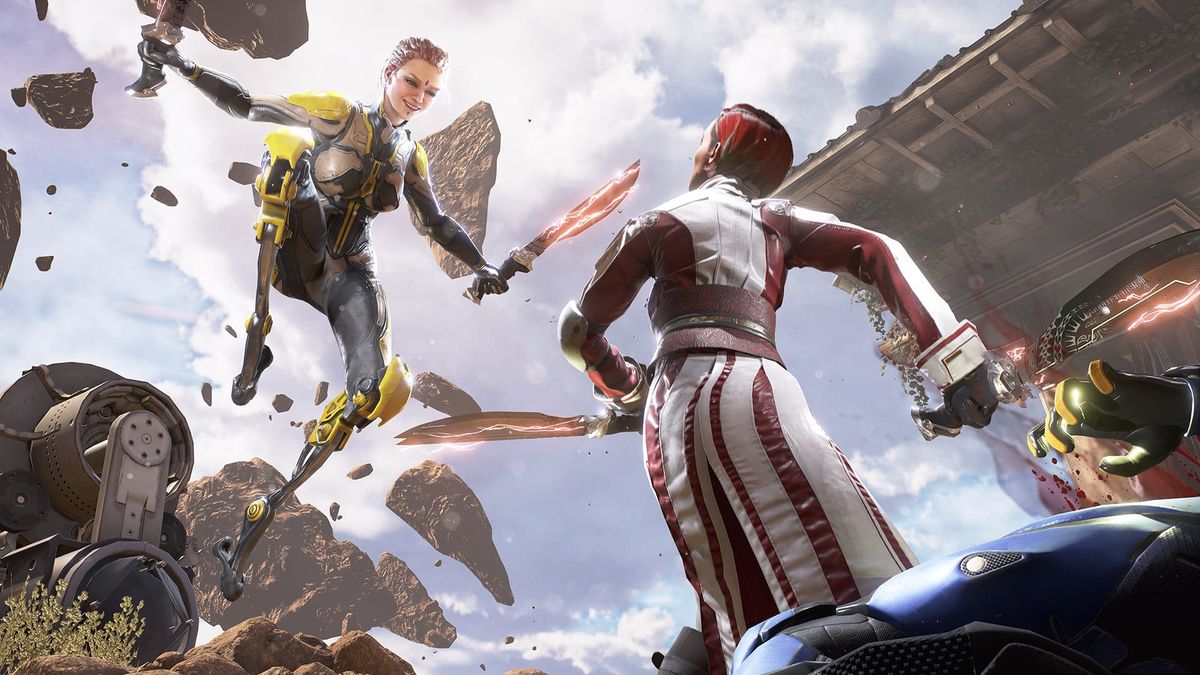
LawBreakers was the ill-fated hero shooter from famous Gears of War developer Cliff Bleszinski, released in 2017. While it was first teased in 2014 and had its share of unique ideas, such as the incorporation of zero-gravity mechanics into its gameplay, it was a year behind Overwatch by the time it came out. At the time of release, comparisons between the two were inescapable. If someone favorably talked about LawBreakers, it was in the context of it making for a nice break from Overwatch.
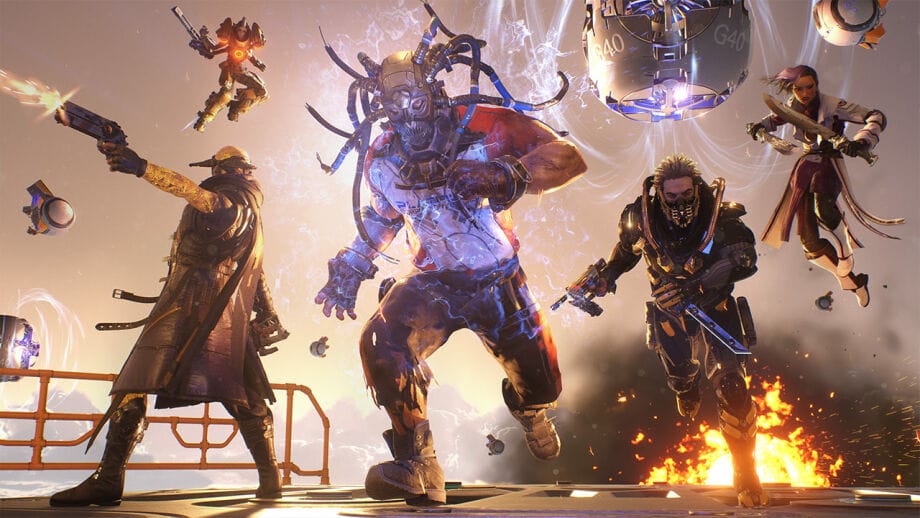
In an interview with 80.lv earlier this year, Bleszinski attributed LawBreakers’ failures to his alcoholism, delays, and an overabundance of pre-release playtests. I personally argue that the playtests themselves were not the problem, but rather the lack of control over community sentiment. LawBreakers came out around the same time as industry-defining live service games that still thrive today. It definitely had a chance to stand the test of time and become a hit itself.
Instead, social sentiment turned against the game and labeled it an Overwatch knockoff, while Boss Key Productions seemingly did not have the ability to quell those concerns and comparisons before they got out of hand. Ultimately, Lawbreakers became one of the first real indicators that positive perception is earned, not inherently given, for new live service games.
Over time, this has only evolved into more and more of an issue for new live service games. Concord was derided upon its initial reveal, and a comment that labeled the reveal trailer’s characters as “Star Lord and the gang from Temu” still lives rent-free in my head to this day.
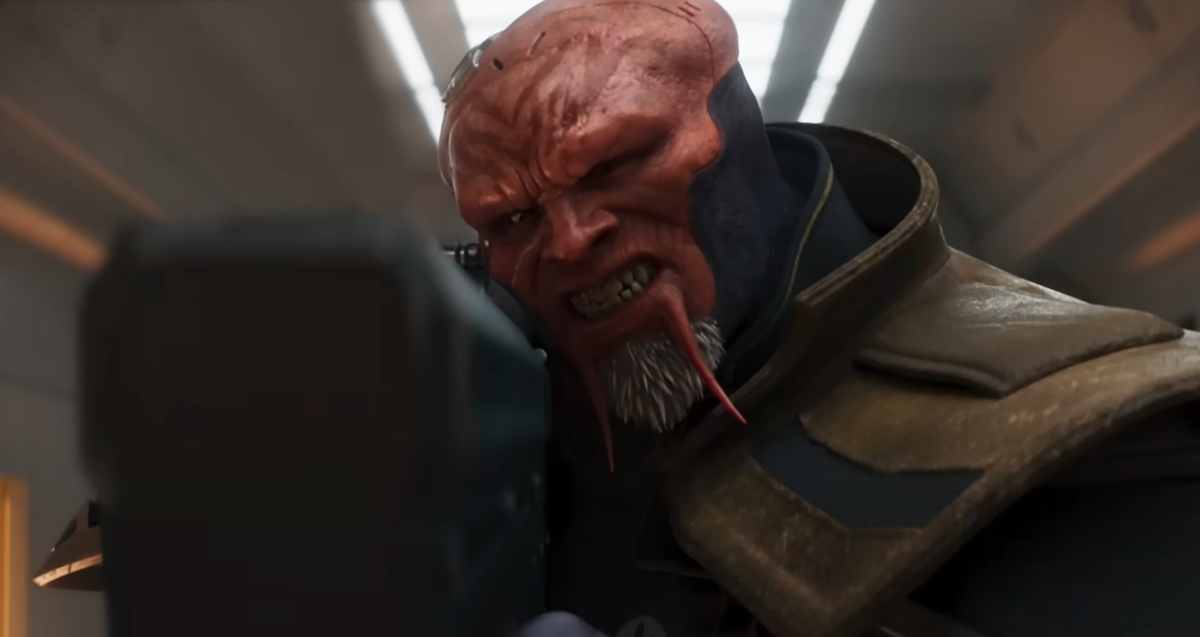
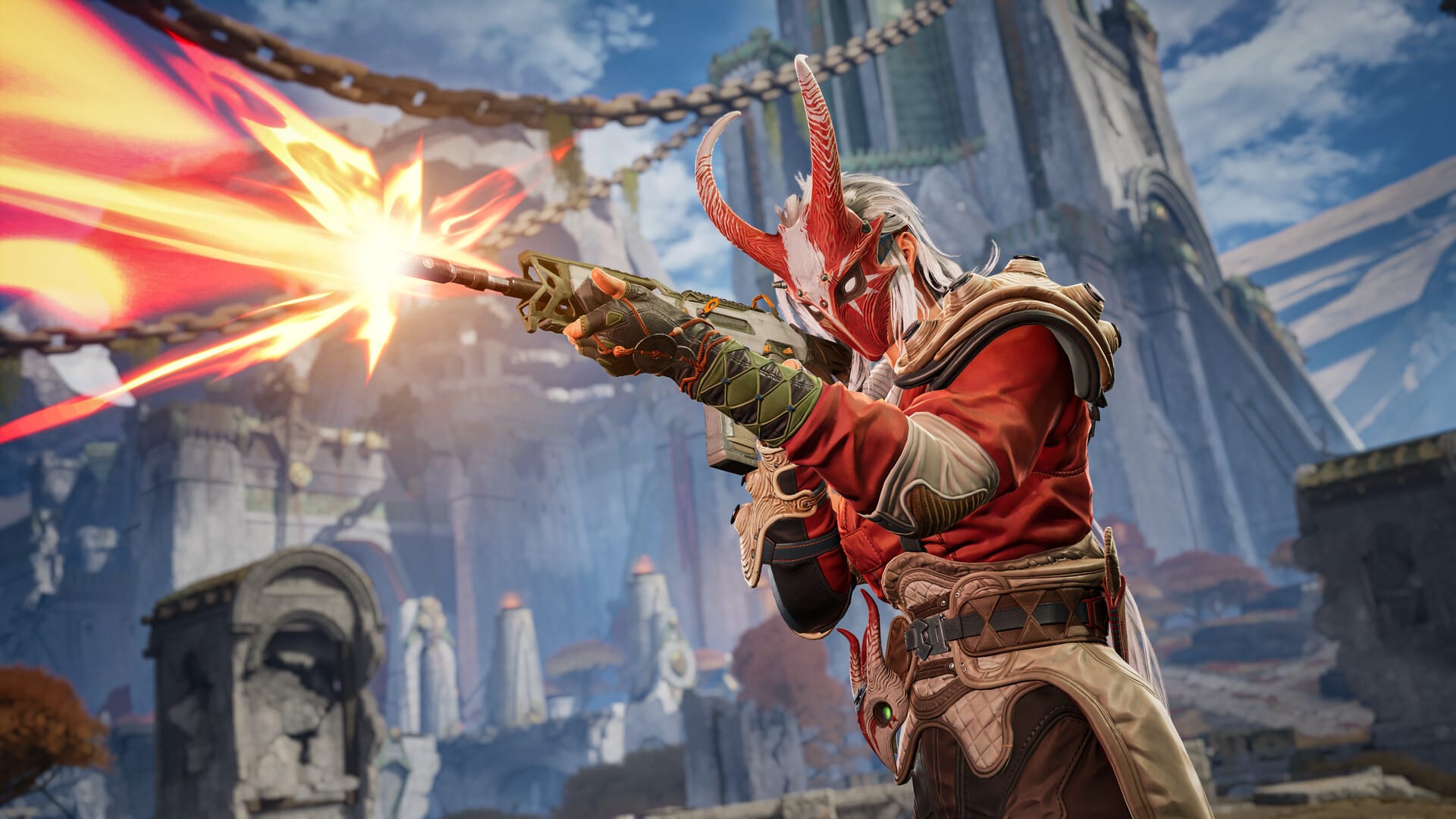
The failure of Tabula Rasa, an MMO competitor to World of Warcraft, might have come as a shock back in the 2000s, but in the 2020s audiences pretty much expect and manifest failure for live service games themselves. This all circles back to Highguard, which bafflingly skipped public playtests and went silent after its divisive reveal at The Game Awards last year.
Wildlight Entertainment did not effectively combat the ire that the game received ahead of release, and– months after its servers have gone offline– I believe that is one of the primary reasons that Highguard did not pan out. The failure of Highguard is not too dissimilar from that of LawBreakers; it just happened on an accelerated timeline.
As exemplified in this newsletter, I am extremely interested in learning more about how games from the past impact what we play today, and how the games of today are informed by those that came out in the past. Through my thesis research, it has been rewarding to get a better handle on what has caused live service games to fail over the past twenty years. The next time a Concord or Highguard-level flop happens, I will be better equipped to analyze how and why it failed.
What's Old Is News
Ape Escape's revival and more
- Castlevania fans think Konami is teasing a collection of some of the series’ 3D games in a video celebrating the franchise’s 40th anniversary. The next game in the series, Castlevania: Belmont’s Curse, launches on October 15.
- Mike Rouse, whom I interviewed about Alien Breed: 35th Anniversary Collection for my last newsletter, announced that he is leaving developer Anstream at the end of the year on LinkedIn.
- VGC reports that an Ape Escape revival is in the works at Evening Star Games, the team behind Penny’s Big Breakaway that's staffed by former Sonic Mania developers.
- The Witcher 3 Remastered launched in a somewhat messy state, but CD Projekt Red has committed to fixing its biggest issues and bugs. Tell me where you have heard that one before...
- Metro 2033 Redux and Metro Last Light Redux are being updated for PS5 and Xbox Series X on October 29.
- Gaelco Sports Collection was announced, and it launches on October 22.
- Xbox rolled out its disc-to-digital program for all Xbox Series X owners.
It has been an incredibly busy time for games. So much is coming out, and I can't even write about most of it yet. I can discuss these three games, though:
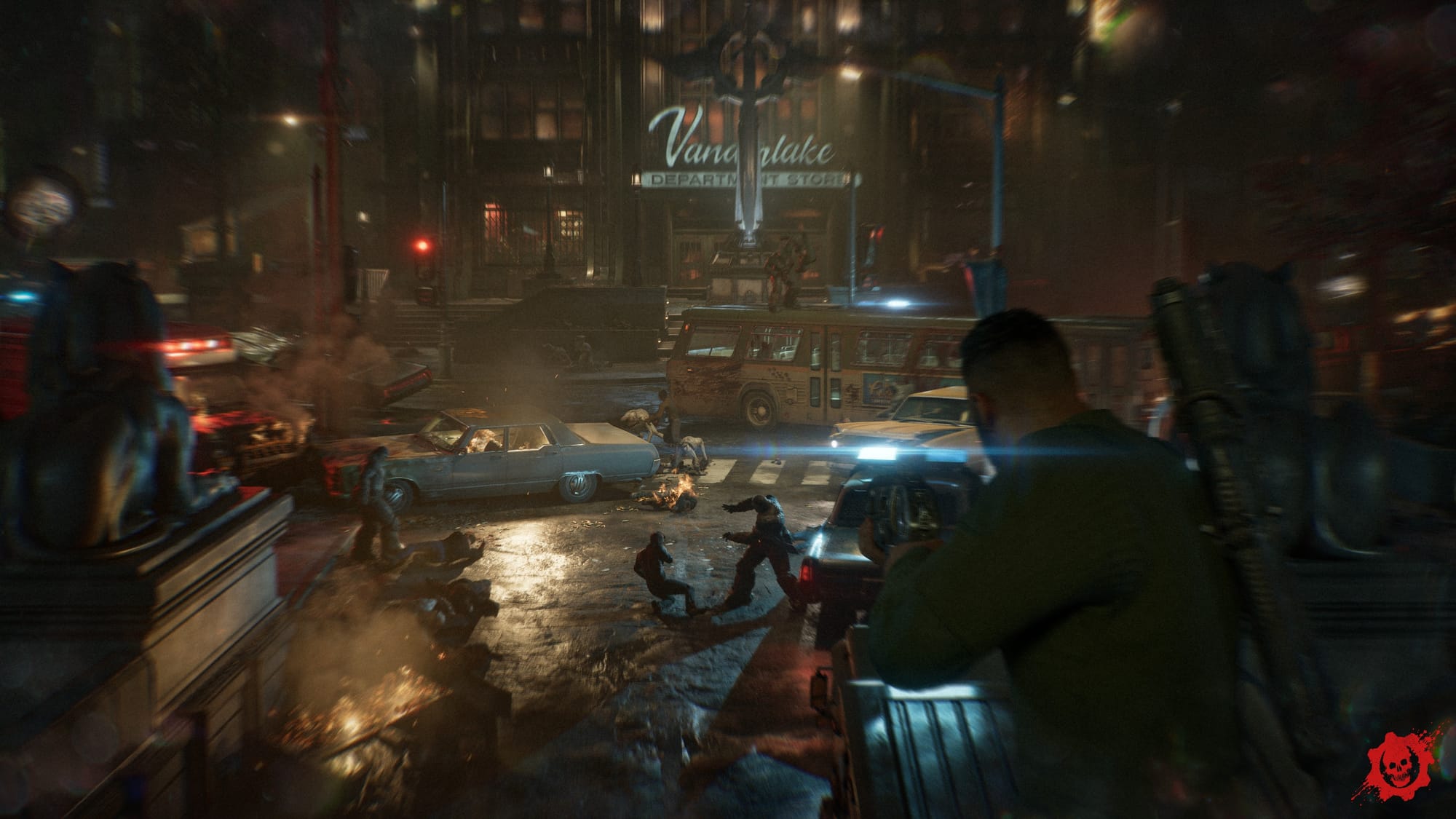
Gears of War: E-Day: Up until I played it, I was unsure what to think about the fact that Gears of War: E-Day was a prequel rather than a sequel to Gears 5. I thought a prequel like this would box itself in narratively. I was happy to be proven wrong. E-Day may just have the best story of any Gears of War game. As I outlined for Polygon, it certainly has the best opening hour of any game this year. Once you hit Act 2, the game does settle into the series’ fairly standard cover-based shooting combat. While it is a bit repetitive from that point onwards, I still had a really good time playing it.
Ace Combat 8: I loved what I played of this one at Summer Game Fest, and Ace Combat 8: Wings of Theve is just as great at release. It is one of the most beautiful games this year, with an amazing soundtrack. It was equal parts thrilling, tactical, and stressful as I got into dogfights. Although it toes the line of being militainment, if you’re an aviation nerd or simply want to play one of the best games of the year, I would recommend checking this one out.
Minecraft Dungeons 2: For the first time ever, I published a review in Game Informer! It was for Minecraft Dungeons 2, the new Diablo-like Minecraft spinoff. While it should show up in the November issue of the magazine, you can read it now on Game Informer’s website.
That’s all for Remastered this week. Because of an embargo, you should expect the next newsletter to be released on October 14. Subscribe so you don’t miss out on that, and consider supporting me on Ko-fi so I can get even more ambitious with this newsletter once I wrap up my thesis!