Ocarina of Time's Remake Allowed Me To Appreciate Zelda Games From All Eras
The Legend of Zelda: Ocarina of Time for Nintendo Switch 2 proved to me that neither retro nor modern Zelda is better than the other.

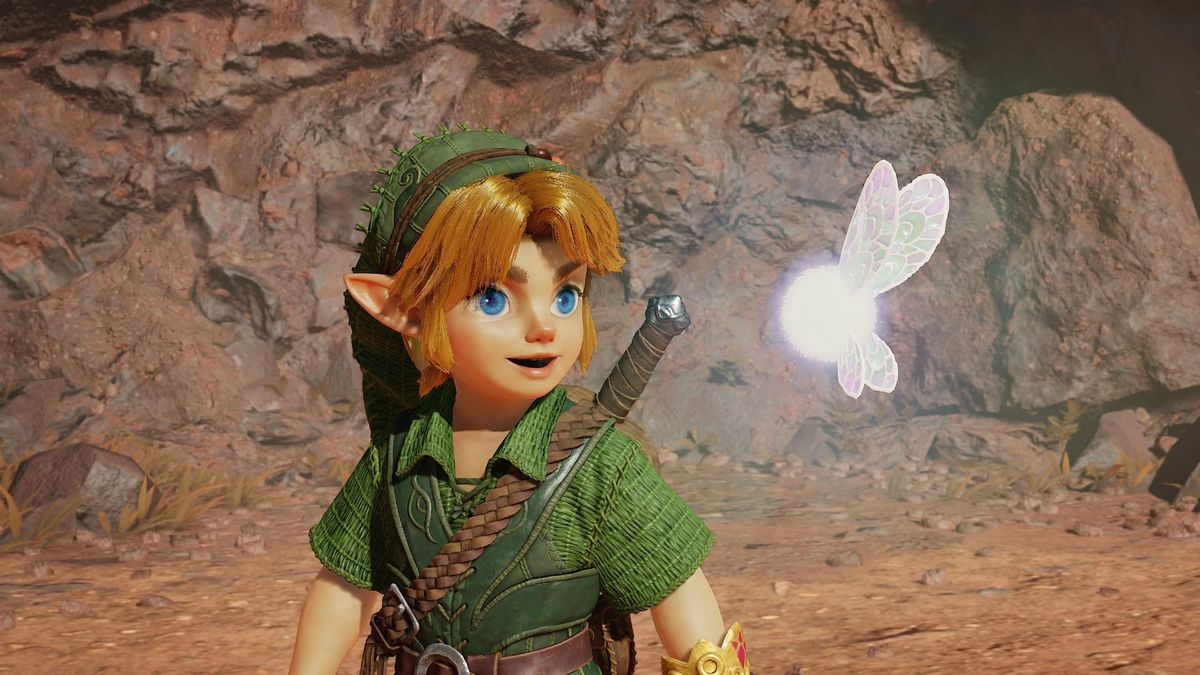
Welcome back to Remastered! This week, I’m writing about The Legend of Zelda: Ocarina of Time for Nintendo Switch 2 and the debate about whether older or newer Zelda games are better.
If you like what you read, consider subscribing to this newsletter for free or supporting me on Ko-fi.
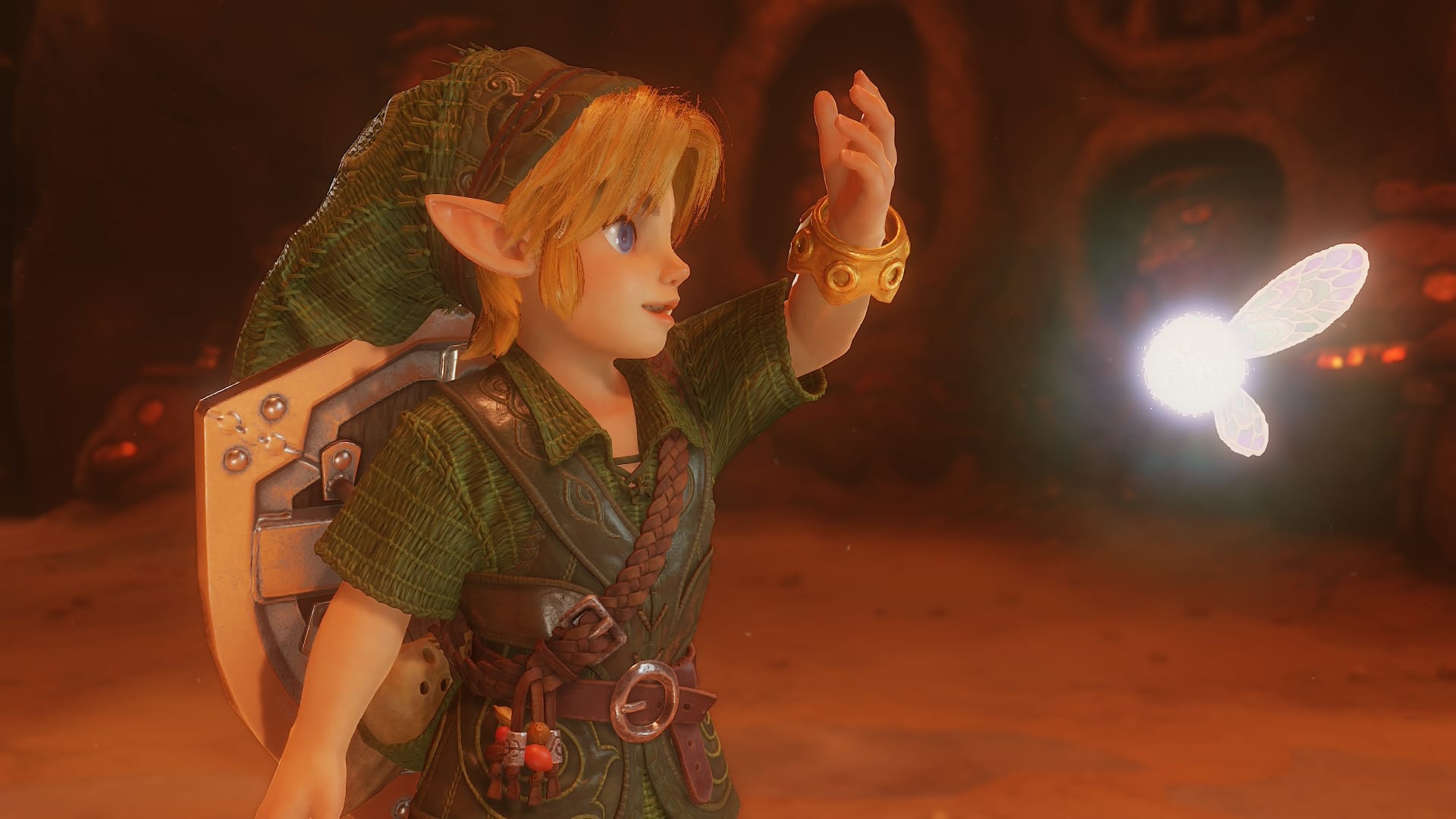
Ocarina of Time's Remake Settles A Long-Standing Debate About The Legend of Zelda's Direction
I’ve always enjoyed the most open-ended The Legend of Zelda games the most. The first one I significantly played was the original, after my brother bought it on the Wii’s Virtual Console. My personal favorite is The Wind Waker, which layers the more traditional dungeon-driven Zelda formula under a vast sea for players to sail around. And in recent years, Breath of the Wild and Tears of the Kingdom are by far the Zelda games I’ve played the most.
As such, I never really agreed with the crowd that wished the franchise would go back to the structure of Ocarina of Time. The more traditional Zelda games I liked the most, Majora’s Mask and Link’s Awakening, already play around quite a bit with the franchise’s core formula, so I was confused as to why people wanted more of old-school Zelda games I considered too simple.
After playing the Nintendo Switch 2 remake of The Legend of Zelda: Ocarina of Time, though, I better understand that point of view. While I still don’t fully want Zelda to abandon its modern innovations, I’ve gained a deeper appreciation than ever before for how Ocarina of Time is the quintessential action-adventure game. This remake makes all the right improvements to ensure it still feels amazing as a modern game too.
Regarding my personal history with Ocarina of Time, it was also a classic Nintendo game I first experienced through the Wii Virtual Console. While I found its music and aesthetics charming, I never got very far in the game. Over time, I came to understand how monumental Ocarina of Time was for some people, even if I have more fond memories of the action-adventure games it inspired.
My Zelda-related nostalgia lies elsewhere, though. Ultimately, I ended up in a situation where Ocarina of Time itself felt a little less special to me because I was so familiar with everything it inspired. That’s likely why I was a little stunned to ever see pushback to the more open-ended nature of games like Breath of the Wild or Tears of the Kingdom.
With this remake, I could immerse myself in this classic myself in this classic as an adult and enjoy it more than ever before. It’s definitely less open-ended than a game like Breath of the Wild, but it still offers a spectacle of awe and wonder as you explore Hyrule for the first time as Young Link. While the remake gives better reminders and visual cues for what to do next, I still appreciate how much you can intuit where to go next.
While no dungeons are mind-blowing mechanically to me, I can appreciate how well-designed and interconnected they are, and the remake’s visual overhaul realized that in a way I never thought was possible. Previously, I thought those parts of the game were fairly standard, but playing this version helped me appreciate how it set the standard.
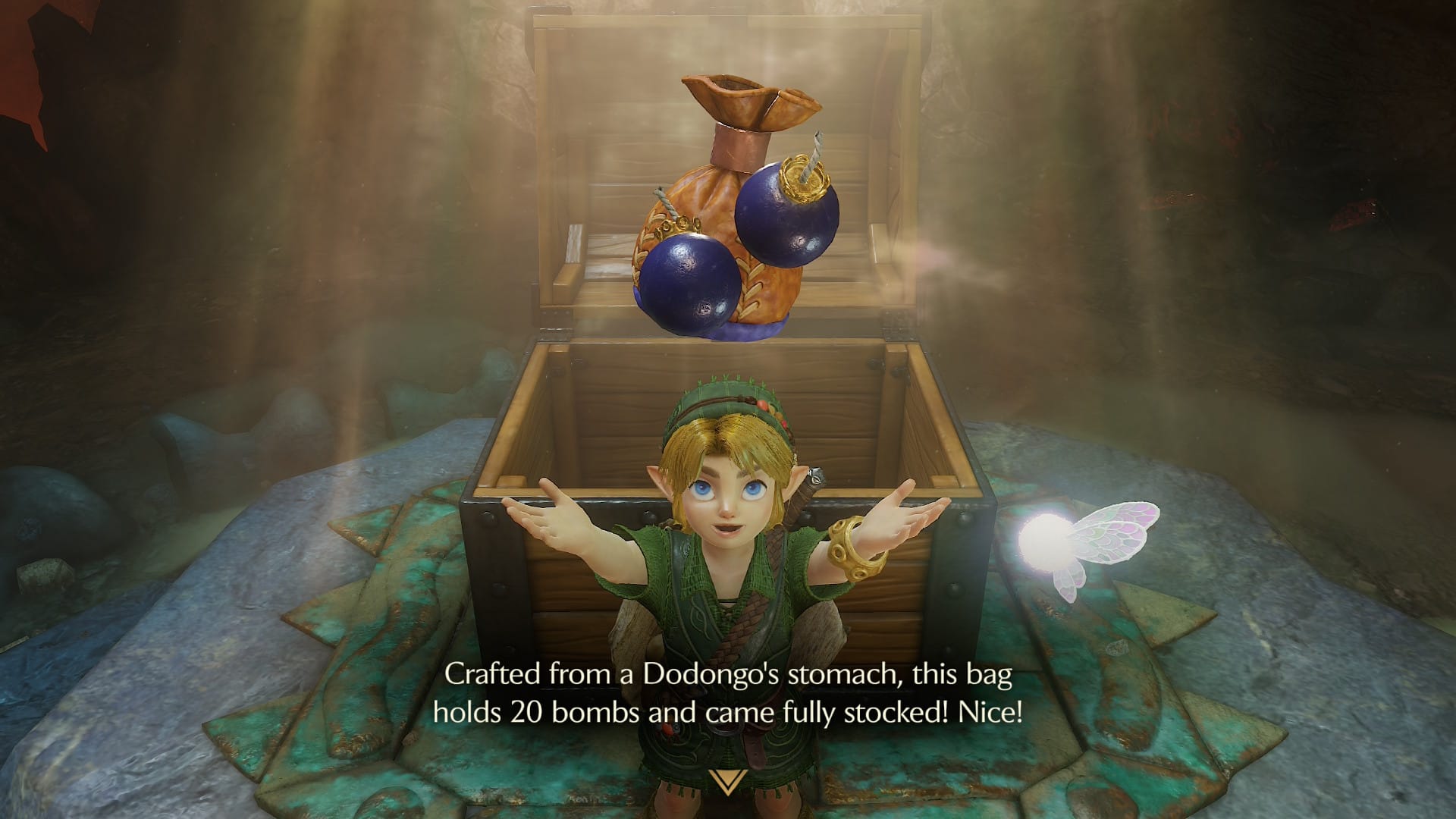
Amazingly, it doesn’t even feel that retro or dated in design, and I can see how its roots spread into not just linear Zelda games like Twilight Princess and Skyward Sword, but also more open-ended titles like The Wind Waker and Breath of the Wild. In a comment in Nintendo’s Ask the Developers interview, Producer Hidemaro Fujibayashi laid out exactly why Ocarina of Time, and in turn its remake, near-perfectly distill the elements that make Zelda special.
Since the very first The Legend of Zelda game, the series’ gameplay has been built around the core concepts of exploration and discovery. You’d spot something over yonder and wonder what might be waiting for you there, then head off to investigate. Then what you discovered there would lead to the solution to the next puzzle. This has been carried through all the way to modern The Legend of Zelda games. The Legend of Zelda: Ocarina of Time, as the first 3D title in the series, demonstrated that this experience could remain the core of the series’ appeal. Even with The Legend of Zelda: Breath of the Wild, we consciously returned to the core gameplay principles of the first game in the series as we developed an experience centered on exploration and discovery across a vast world.
That statement also touches on the greater point I want to make: Breath of the Wild and Tears of the Kingdom aren’t as wildly different from Ocarina of Time as some online discourse suggests. While I constantly see the more fully open-world Zelda games pitted against classics like Ocarina of Time, both games achieve the same gameplay feeling in different ways.
In Ocarina of Time, the sense of exploration and discovery comes from a The Hobbit-like feeling of adventure, as you are a young boy leaving your home village for the first time and thrust into a world of fantasy and political intrigue. The world slowly unfurls over several hours, and then you feel that sense of wonder again when the time skip happens, and you see what’s changed as adult Link.
Meanwhile, Breath of the Wild and Tears of the Kingdom’s sense of exploration and discovery comes from being a single droplet in the vast ocean of Hyrule and always finding something interesting around the next corner. To me, things like general narrative delivery, open world size, and dungeon design are just window dressing on top of that.
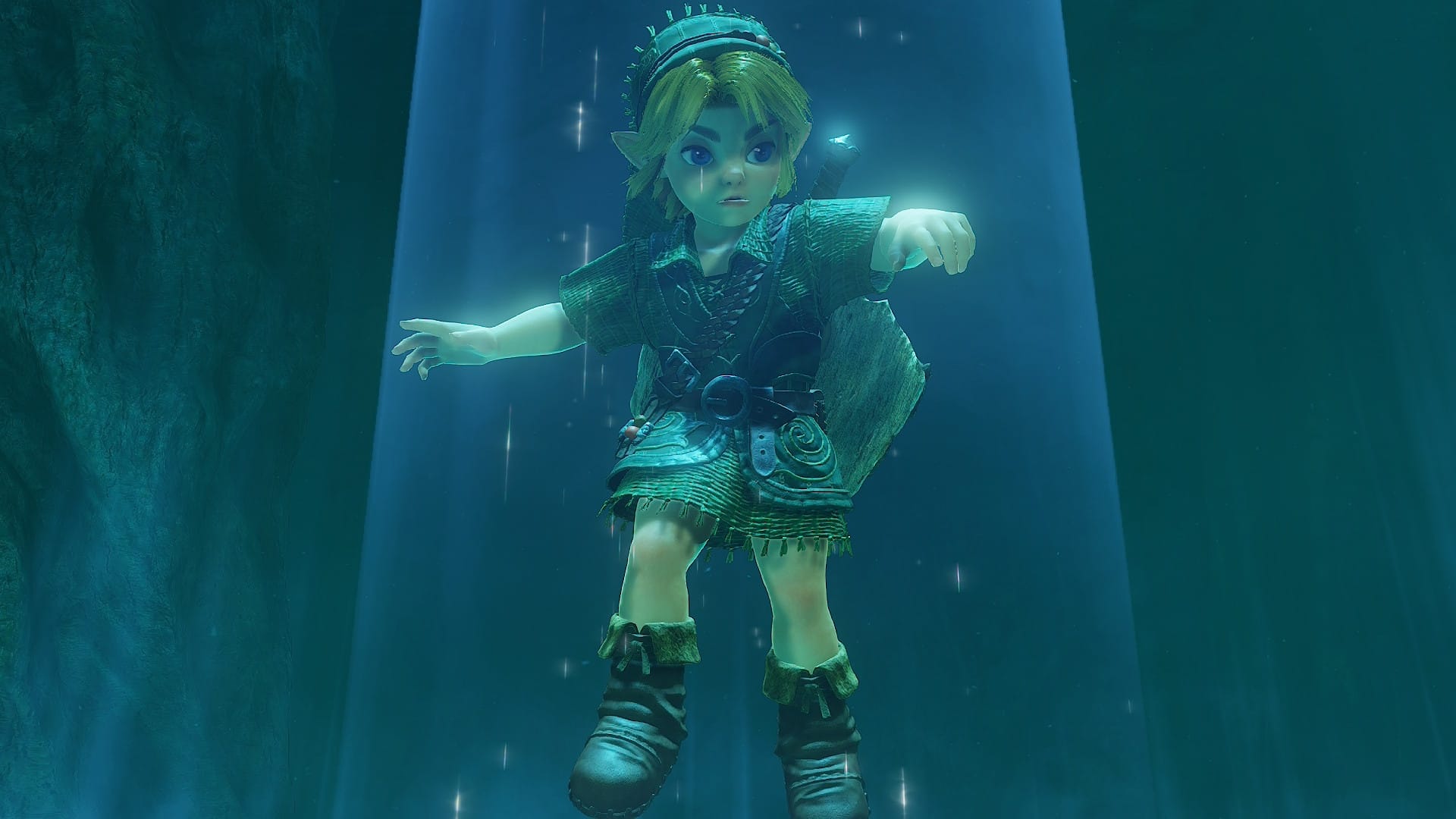
I thought I was fully bought into the new-school, open-ended Zeldas, and I simply couldn’t get into the more linear ones. Ocarina of Time for Switch 2 reminded me that every Zelda game is much more similar than I previously thought, and I’m starting to feel inspired to eventually seek out other Zelda games I haven’t fully beaten after rolling credits on Ocarina of Time.
If you do wish more Zelda games were like the older ones, I’m sure the 5.4 million copies this remake sold in its first weekend was more than enough to show Nintendo there’s demand for that. Personally, I’m more agreeable to what Series Producer Eiji Aonuma said in the aforementioned Ask the Developers Interview about young developers learning from remaking a classic:
By learning the game structure and development style behind the original The Legend of Zelda: Ocarina of Time, and by actually rebuilding it as a full remake, it may trigger new insights that they can carry forward into future development. If we could achieve that, I thought it would be incredibly valuable. That’s what led us to the conclusion that now is the right time to revisit The Legend of Zelda: Ocarina of Time once again.
I don’t want the Zelda game that drops all the interesting ideas from more recent titles and just does Ocarina of Time again. I want to see the Zelda game that learns from both Tears of the Kingdom and Ocarina of Time.
What's Old Is News
Romancing SaGa 3, Mega Man Legends, and more
- Square Enix moved the release date of the remake Romancing SaGa 3: Destinies United to February 4, 2027, likely to avoid overlap with the launch of Final Fantasy XIV’s Evercold expansion later in the month.
- Dragon Quest 3 HD-2D Remake comes to PS Plus Extra’s catalog on November 17. Soul Reaver 2 and Freedom Wars Remastered come to the PS Plus Premium classics catalog on the same day.
- Nintendo Life reports that since-delisted Mega Man Legends listing appeared on ACTRA Toronto's "What's Shooting" database, so that series could potentially make a comeback.
- The Witcher 3 Remastered’s Songs of the Past expansion will use AI for new voice lines in the game’s Polish dub, Game File reports.
- Deck13 announced that Elements Destiny and Crystals of Irm, retro-inspired indie RPGs it is publishing, will be released on December 8, 2026 and January 21, 2027, respectively.
- Ziggurat is working on bringing BloodRayne: Definitive Collection to PS5 and improving the performance of the series’ Nintendo Switch ports.
Marvel Cosmic Invasion - The Siege of Castle Doom: I had a chance to try out the roguelite DLC for Marvel Cosmic Invasion and have had a great time with it. The beat ‘em up and roguelite genre simply work really well together, and The Siege of Castle Doom is further proof of that. This is definitely something that I’ll keep on my Steam Deck game rotation as Avengers: Doomsday’s release approaches next month.
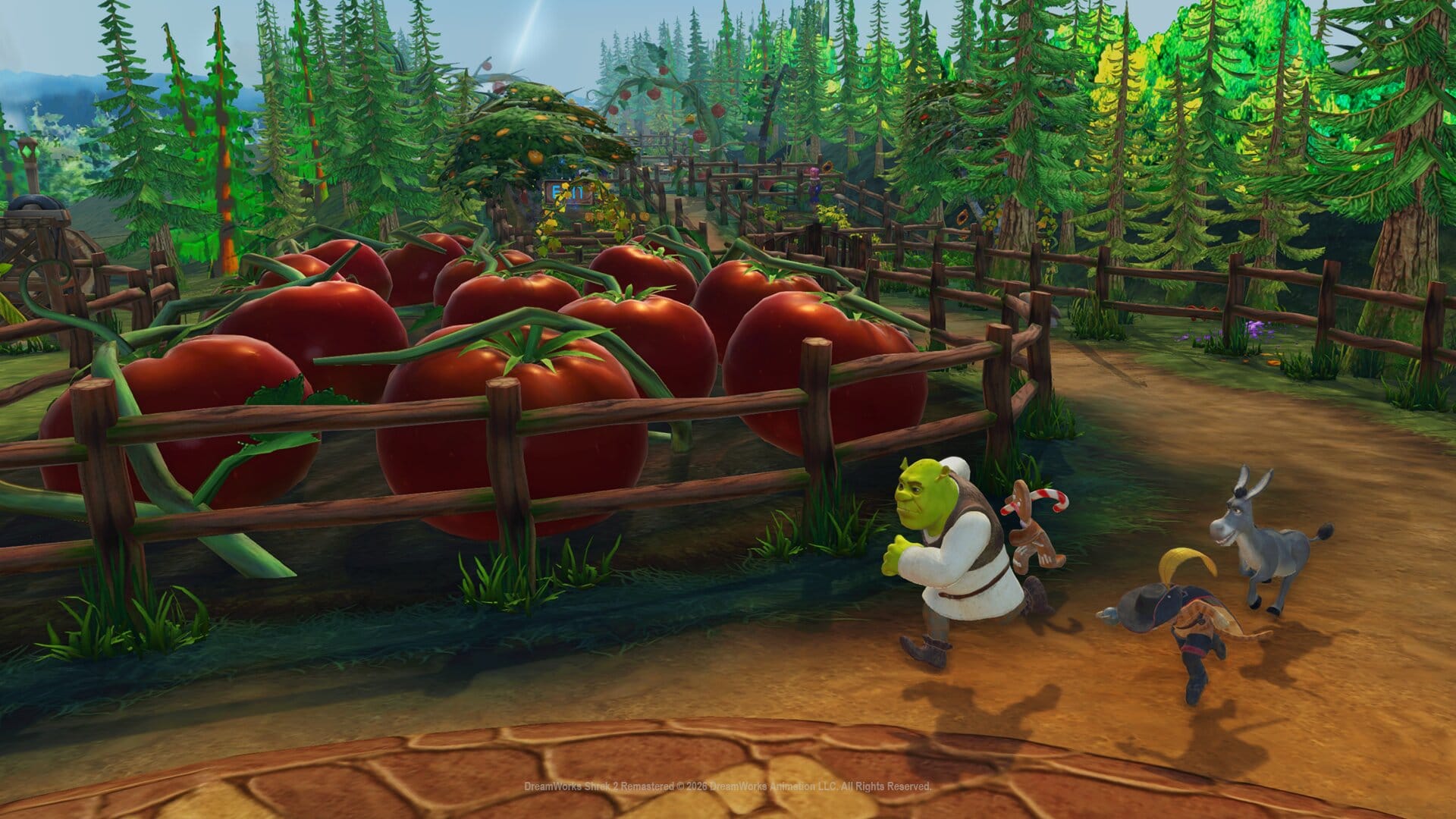
Shrek 2 Remastered - If you read my newsletter about Godzilla: Destroy All Monsters Melee Remastered last week, you’ll know exactly how I feel about Shrek 2 Remastered. This is not the most polished action-RPG lite game ever made, and parts of Aspyr’s remastering work leave something to be desired. Still, getting to punch and jump through levels I haven’t explored with my brother since we were kids uncovered some forgotten gaming memories and made me very nostalgic while revisiting this beloved licensed game.
Warhammer Survivors - For Polygon, I reviewed the Vampire Survivors-inspired Warhammer game that Poncle actually contributed to. While I don’t think it’s quite as good as Vampire Survivors because of how slow it is to start, if you enjoy these kinds of bullet heaven games, this one is just fine.
That's all for this week's Remastered! Subscribe so you don’t miss out on next week’s newsletter, and consider supporting me on Ko-fi if you truly enjoyed what you read.