PlayStation Is Killing Physical Games, Not Us
PlayStation might argue that consumers don't want physical games, but it's truly the one to blame.

Hi, welcome back to Remastered! This week, I'm grappling with the fact that the era of physical games will be coming to an end in 2028. I'll also share more about one last title I played at Summer Game Fest this year: Ace Combat 8. Consider subscribing for free if you like what you read or supporting me on Ko-fi to help independent games media.
Gaming's Digital-Only Future Is Not Our Fault
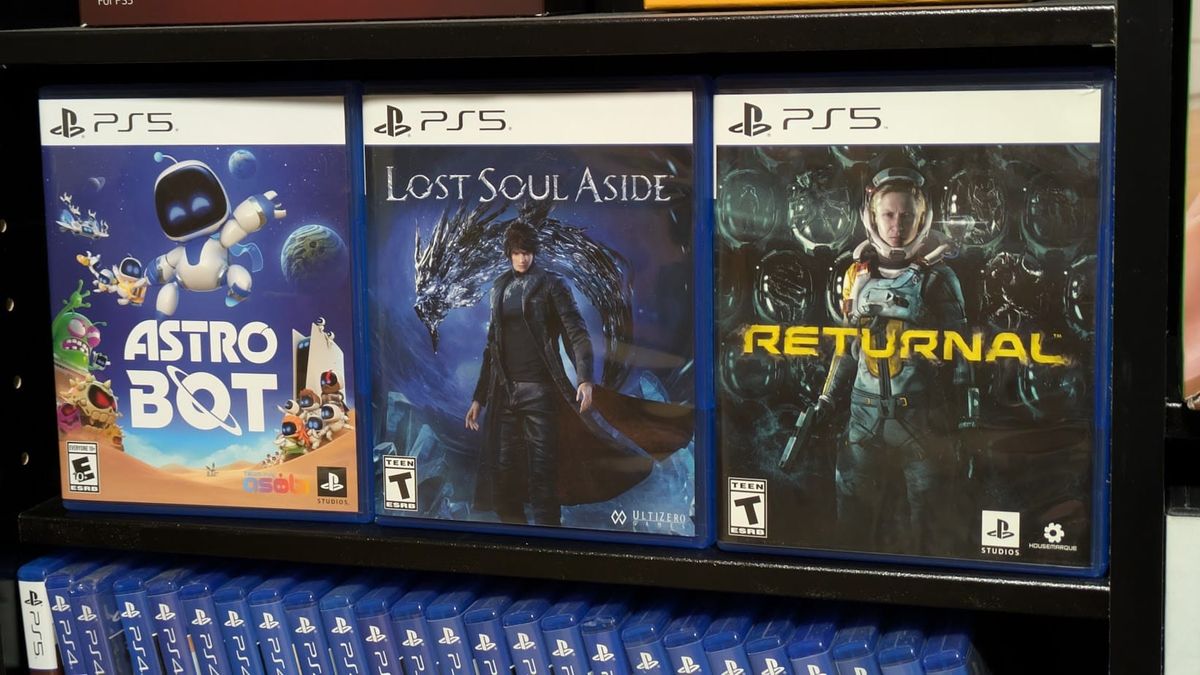
On July 1, Sony announced that it’ll end production of physical discs for PlayStation games in January 2028. This feels like nothing short of the end of an era for the video game medium as a whole; one of the big three console manufacturers ceasing physical game production and GTA 6 being digital-only is a one-two punch that affirms the industry’s abandonment of physical games.
You don’t need me to tell you that this is bad; there are already multiple articles about that. I want to stress something more important to those of us who’ve played more digital than physical video games in recent years: this isn’t solely our fault as players and consumers. Yet Sony certainly suggested that was the case in its announcement.
“This is a natural direction for Sony Interactive Entertainment to adapt to consumer trends as the general preference for digital media significantly outpaces physical discs,” the Sid Shuman-authored post argues. “This transition will enable us to align more closely with how most of our community prefers to access and play games today.”
While data trends toward people buying more digital games than physical ones, I believe it’s less a result of community preference and more an impact of manipulative, digital-angled decisions by gaming companies over the past two decades. Now, Sony simply doesn’t need to hide its preference for digital games anymore.
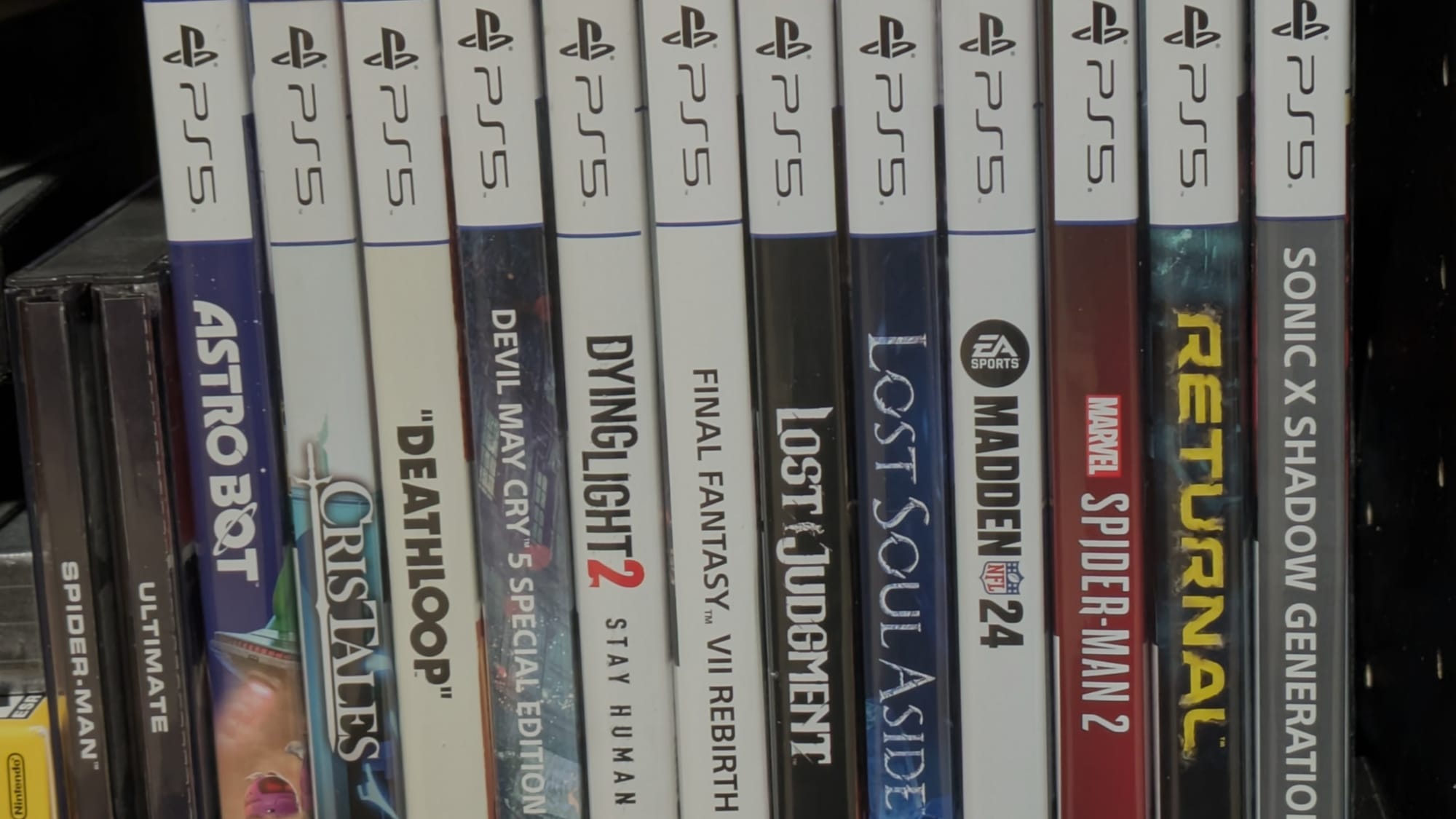
When I see news like this, it’s easy to blame myself and my own buying habits for feeding into the problem. In the decade I’ve been a journalist, I’ve mostly been playing and buying games digitally. While I own over 50 physical PS4 games, I own only 13 physical PS5 games five-and-a-half-years into the console’s lifespan. Of course, I’m in a unique position, but the data provided by Sony shows that the ~80% drop is actually pretty widespread this generation.
That said, I don’t find this issue to be the players’ fault. Over the past decade, almost every platform and publisher has embraced online gaming. Even if you buy games physically, you often need to update them to play. Sometimes, with games like Concord, a physical disc purchase can become useless when the game shuts down. Digital games can go on sale and drop drastically in price, noticeably more often than physical games. Most importantly, the cheapest consoles from Xbox and PlayStation don’t support physical games.
Since the start of this console generation, it has been more convenient to play games digitally for those of us with access to stable and fast internet connections. At the same time, organizations like the Entertainment Software Association aren’t playing ball when it comes to game preservation. The Video Game History Preservation Foundation stressed this fact in their statement regarding this situation:
“What continues to baffle us is what the industry expects institutions like ours to do about it. If platform owners are deciding to eliminate physical media and older digital storefronts, then we'd also like to see trade groups like the Entertainment Software Association offer meaningful solutions for archives and museums to legally preserve digital-only content and make it accessible for research. Everyone agrees this is a serious problem, but the ESA has repeatedly opposed the efforts of cultural heritage institutions to reform digital copy protection laws to make it easier to do this work. The industry needs to meaningfully come to the table on this issue, because asking museums to download a copy of Grand Theft Auto VI and hope it'll run in 50 years is not a preservation solution."
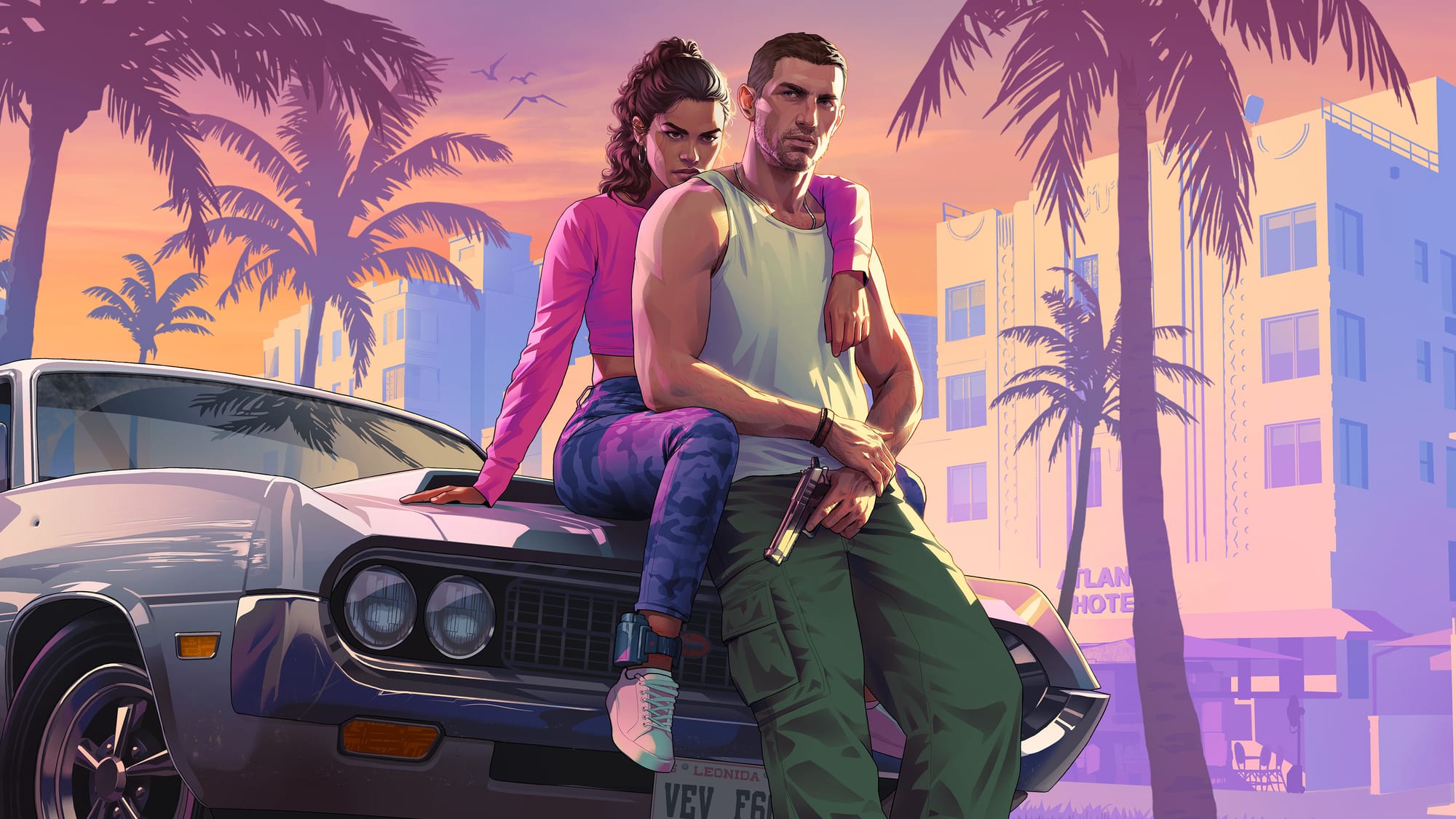
Sony itself emphasized how this remained an issue by simultaneously announcing that the PS3 and PS Vita storefronts will be shut down in 2027. Eventually, the same will likely be the case for the PS4, PS5, and PS6 storefronts. Without physical games being produced, all we’ll have to rely on – without turning to piracy – is hope that we have bought all the games we wanted before the console’s storefront shuts down, and that those digital licenses will not eventually be revoked or rendered unplayable. Sony’s recent delisting of some classic movies and online DRM check-ins hasn’t given me faith in the future of their digital license, either.
For a long time, those in power in the game industry have been slowly prodding us toward the all-digital future. Now, Sony will be taking the final plunge into digital-only games. According to The Verge, Xbox is also currently weighing whether or not to support physical games on its next system and implementing a system to let people add physical games to their digital libraries.
As of now, Nintendo feels like the only real bastion for physical game release. Even then, it has made moves in this console generation trending in the wrong direction, like making physical versions more expensive than digital ones and proliferating Game-Key Cards.
Previously, game companies needed to mask their desire for an all-digital future built around their exclusive, walled-garden platforms and storefront. Now, they don’t feel the need to hide that reality anymore. Like other technological reckonings in the video game industry and United States culture at large, the situation is getting worse because it benefits the people at the top.

Still, whether it’s people with nostalgia for the days of ubiquitous physical game releases or those who need physical games to experience titles for socioeconomic reasons, the video game industry would spiritually benefit from physical games sticking around. I think back to every excited Christmas when I got a new game, the excitement of loading a game disc or cartridge into a console for the first time and waiting for it to install, or the joy of being able to share games with friends. I am saddened that we’re heading towards a future where those moments will be fewer and farther in between.
Yes, maybe we as consumers have shown a willingness to buy digital games, and that helped affirm Sony’s decision, but in reality it’s not a decision we made alone. The best path forward is for us to continue supporting physical games and game preservation where we can, and hope that that’s enough to force Sony to reverse course like the last time they attempted to shut down the PS3 and PS Vita stores.
A future where physical games are considered retro is not one I’m looking forward to. Digital games are great and have an important place in the industry, of course– yet the tactileness, emotional connections, economic availability, and vast history of physical video games makes this feel like a true loss for the industry.
While I feel a little bit of guilt as a consumer, I also understand that this is all part of a great reckoning that the games industry is currently facing, one that there’s no pretty way out of. As the Video Game History Foundation’s Frank Cifaldi put so succinctly in a post on his personal BlueSky account, “consumers haven't had purchasing power in about ten years now because we gave all of our money to like ten weird guys, what did you all expect.”

What's Old Is News
Xbox price hikes, SNK re-releases, and more
- Microsoft is raising the prices of the Xbox Series X and Series S consoles in August. I wrote about how the Xbox Series S has been massively devalued over time for GameSpot and about how prices won't come down anytime soon for Polygon.
- At Evo 2026, SNK shadow-dropped a PC port of Ninja Master's, a lesser-known fighting game from its Neo Geo era. I've played a bit of this one, and it's fun, albeit not very distinct from other fighting games of the era.
- SNK also revealed The Path of the Warrior: Art of Fighting 3 R, a PC port of a 1996 fighting game that adds two new characters: King and Yuri.
- There's more speculation and conflicting reports about whether studios like Undead Labs, Arkane, and Obsidian Entertainment will shut down as part of Xbox's impending waves of layoffs. The Verge reports that layoffs will begin next week.
- Onimusha: Way of the Sword moved its release date up to September 4.
- Per GameSpot, companies like iam8bit and GameFly have spoken out against Sony's decision to stop selling physical games in 2028.

I haven't been playing anything new this past week, so I wanted to take the time and spotlight one more Summer Game Fest title that I haven't written about yet.
Ace Combat 8: Wings of Theve: As one of the few game series my dad enjoys, I've always had a bit of a soft spot for Ace Combat. That's why I was eager to play the newest game at Summer Game Fest and happy it lived up to my expectations. Ace Combat 8: Wings of Theve doesn't completely redefine the series' formula or anything, but it leans into what worked about previous games. This has some of the tensest dogfights of any video game I've played, and looks absolutely stunning as you fly and fight enemies high above oceans, mountain ranges, and military bases. I can't wait to play more when the game launches on October 1.
That's all for this week. Subscribe so you don't miss next week's Remastered and consider supporting me on Ko-fi!