15 Years Later, Rage Remains id Software's Most Fascinating Game

Welcome back to Remastered. This week, I wrote a retrospective on Rage, which is perhaps the weirdest game released by id Software in its post-Wolfenstein 3D era. If you enjoy this newsletter, consider subscribing for free or supporting me on Ko-fi!
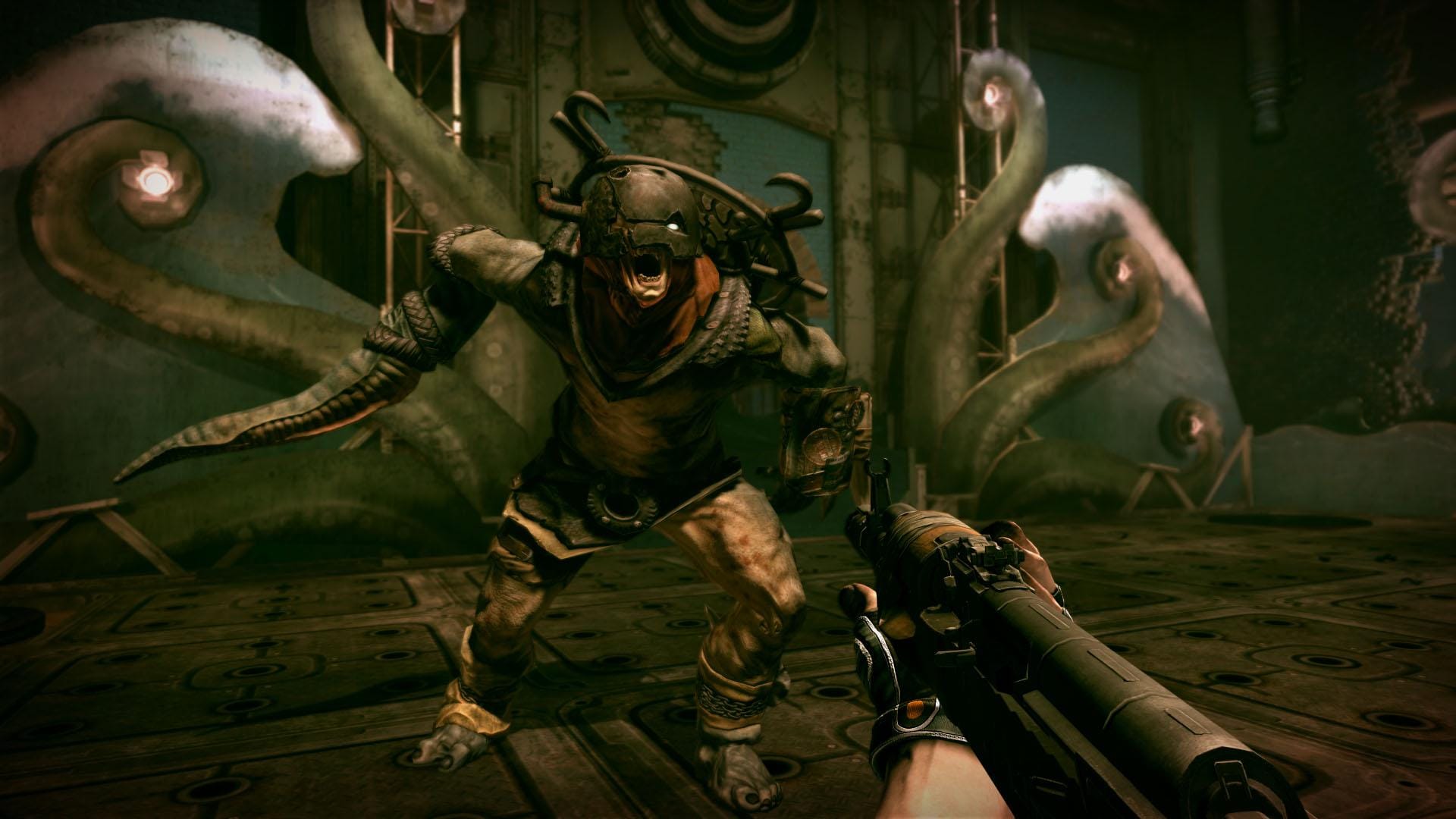
id Software's Flawed Foray Into Something Different
I'm always fascinated by the “black sheep” games in a storied company's catalog. Remember when Bungie made an anime action game called Oni, or when Valve made a collectible card game that failed? Good or bad, I often find these oddities insightful, as they highlight creatives attempting something new or different between iterative entries in their premier franchise.
Rage, from id Software, has been my most recent fascination in this regard. After a casual conversation about games released in 2011 with my brother, I couldn't stop thinking about how different Rage was from the studio's other games, and how I had still never played it. That inspired me to finally download and play through the game on Xbox Series X ahead of its 15th anniversary later this year.
In many ways, Rage is the most mainstream-feeling game id Software has ever solely developed. Its open world and quest structure feel closer to Borderlands than Doom. It also feels a bit unfinished and underbaked. Despite those flaws, its eccentricity in comparison to the rest of id Software's catalog makes Rage perhaps the most distinct id Software game. Rage is no Doom Eternal or Wolfenstein 3D, but it sheds light on a transitional period for one of the industry's most prolific studios.
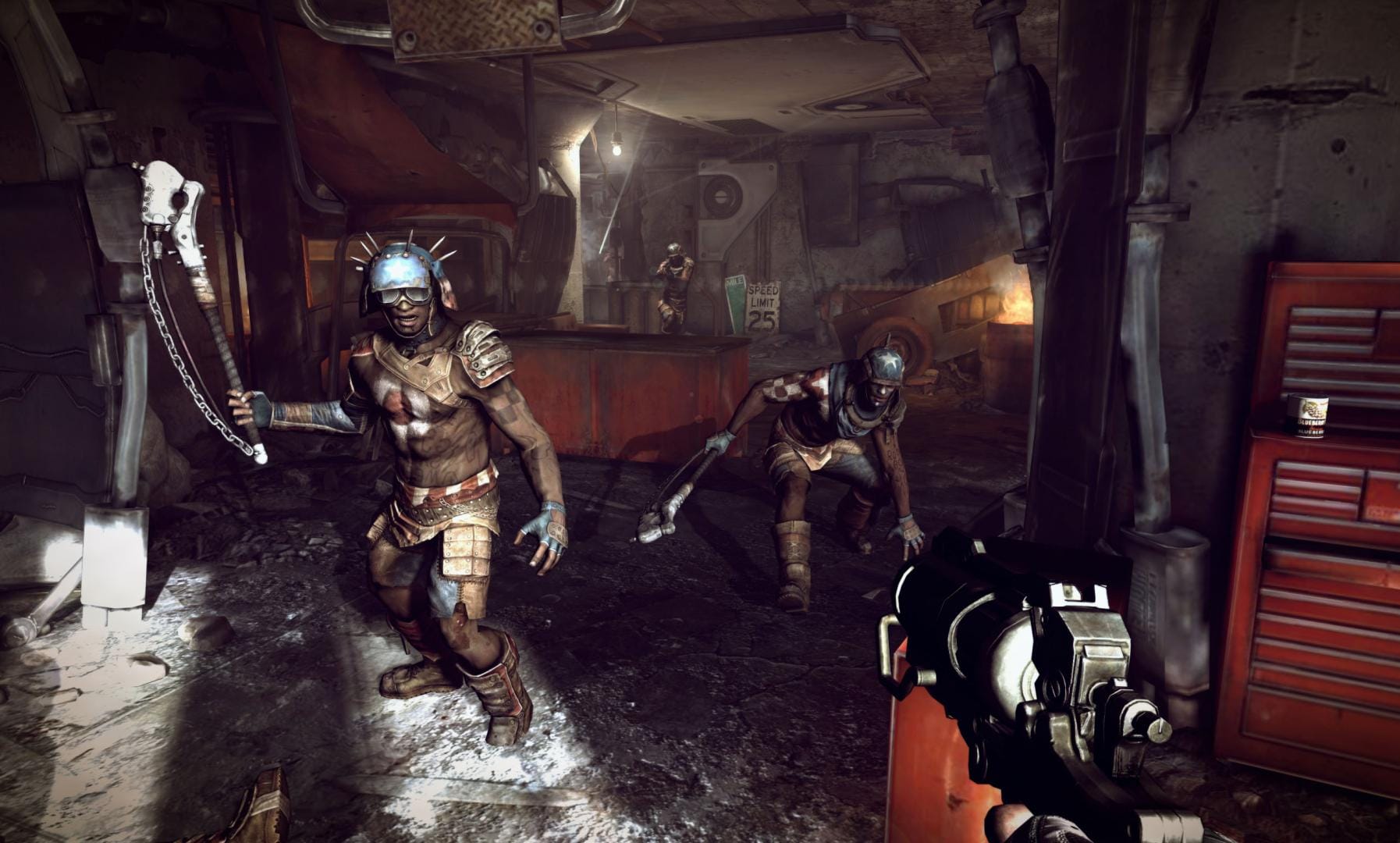
As a crash course for those not already familiar, id Software is considered the grandfather of the first-person shooter genre. Wolfenstein 3D, Doom, Quake, and their sequels have inspired the level design, game feel, and overall fundamentals of every shooter that has come since. The studio has also seen a renaissance of sorts over the last decade, developing a new trilogy of Doom games that are all as different from one another as they are entertaining.
The nearly 12 years between Quake 3 Arena and Rage were a different time for the studio. Many of id Software's founders had left, and the studio moved away from the twitchy, exhilarating shooter they were known for. The 2000s gave us Doom 3, which skewed more toward survival horror than a traditional shooter, mobile phone RPG conversions of Doom and Wolfenstein, a new mobile-first series called Orcs & Elves, and the free-to-play Quake Live.
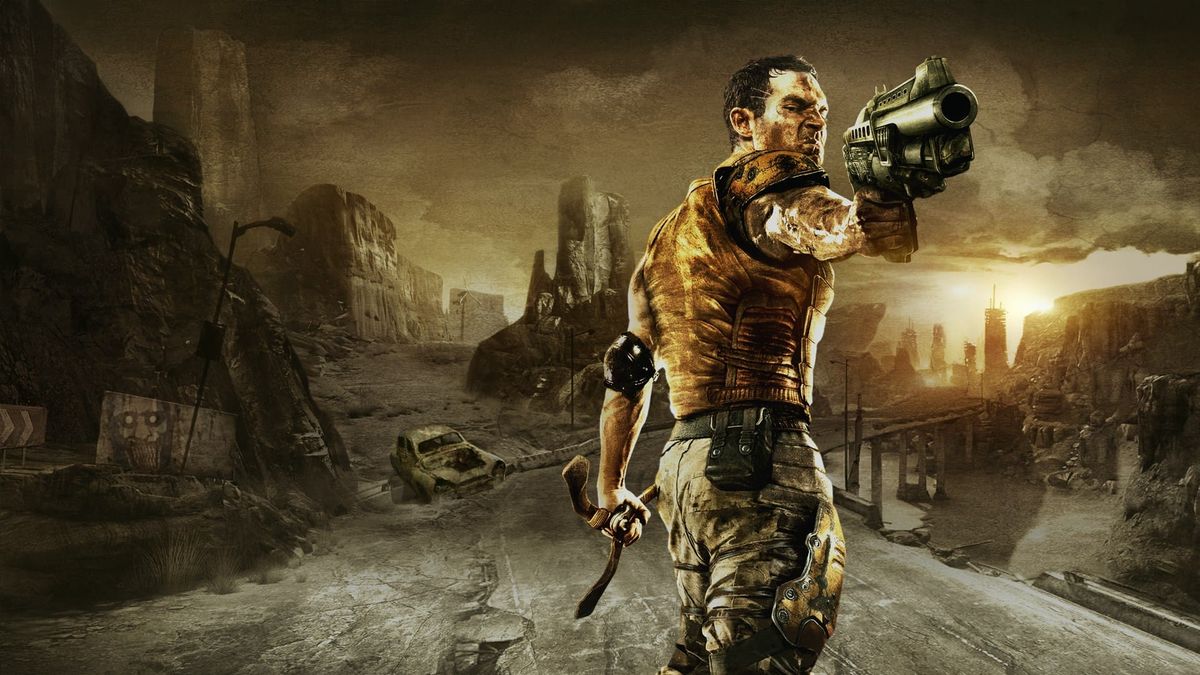
Released in the United States on October 4, 2011, Rage was the culmination of this grittier era of id Software, and the showpiece for the proprietary game engine id Tech 5. Like most of id Software's other games, it's a first-person shooter. But rather than being a linear, level-based affair with arena multiplayer modes, Rage was a slower-paced, semi-open-world post-apocalyptic shooter. It's the closest we have ever gotten to id Software's take on Fallout.
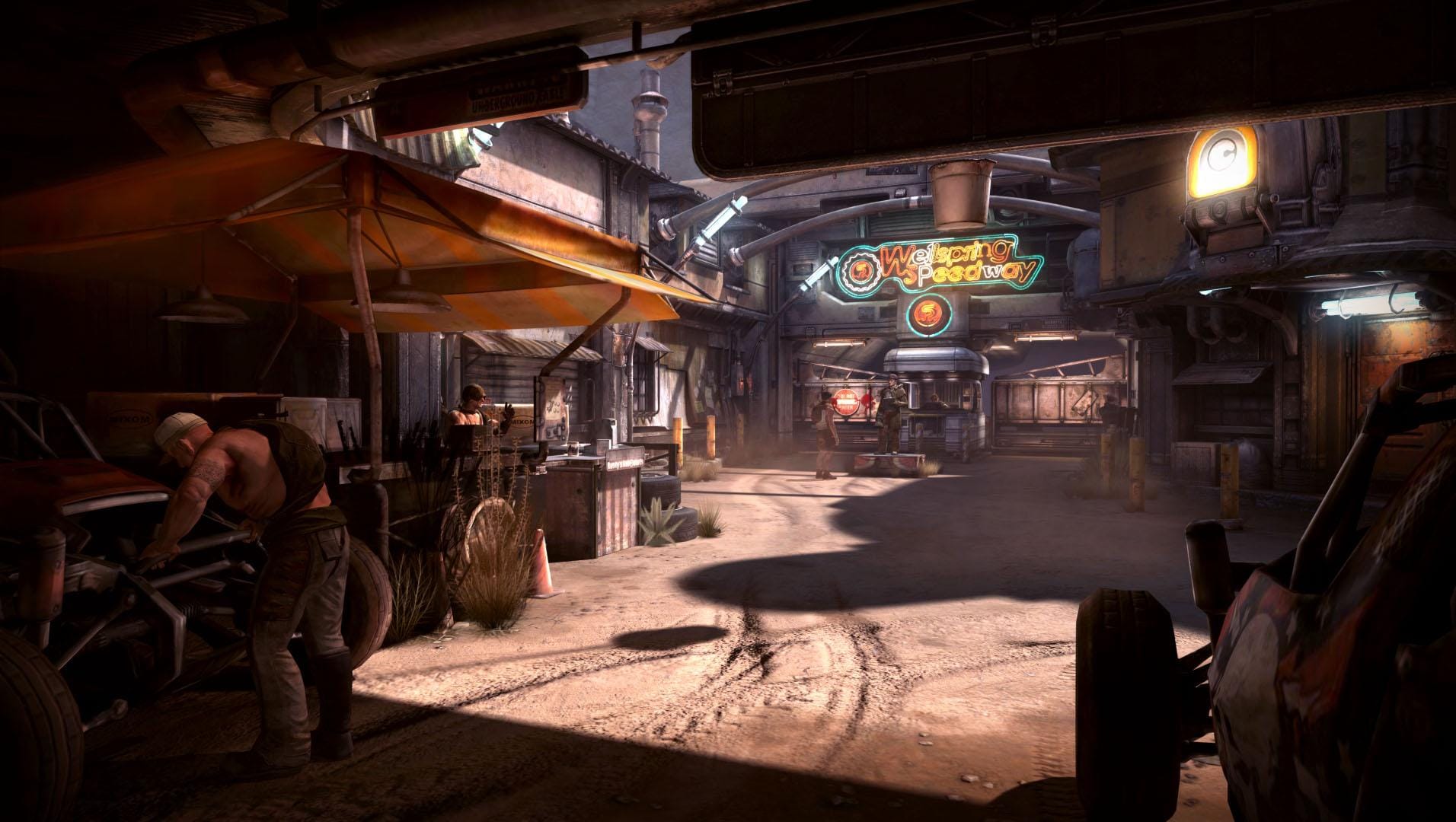
In the world of Rage, a meteor crashes into Earth in 2029 (so you're telling me there's a chance?), causing an apocalypse. Several humans are loaded into arks sent deep underground, but an evil general rigs the system so that only arks with his allies awaken first. They create a brutal authoritarian regime, aptly called the Authority. Rage begins with the player waking up in an unexpectedly resurfaced ark and quickly being thrown into Rage's wasteland and the resistance against its authority.
Rage is much better at world-building than other id Software games. I truly felt a sense of place within its hub towns and open worlds, and came to like its quirky characters. Because of its brown-heavy color palette, I had assumed that Rage would be a serious game, but that's not the case at all. I only wish that it spent a bit more time establishing the Authority and its masterminds as a threat, as you don't interact with them much until the very end of the campaign.
This game also differs in its structure. Rage's levels are separated by a semi-open world in which players can drive different vehicles. There's not a whole lot to do outside of heading toward missions and occasionally engaging in car combat. Once you get to a locale, like the Dead City, levels are a lot more focused and directed. It's a pretty generic open-world design, quite common at the time of release, yet it still gives Rage a grander scope than id Software’s other titles.
Even Rage's gunplay feels different. Whereas a game like Doom: The Dark Ages made me feel like an unstoppable tank, Rage made me act like a scavenger as I constantly stayed on the lookout for limited ammo, crafted items from a variety of materials to aid me in battle, and adapted my gameplay style on the fly depending on my loadout and resources.
Rage's biggest shortcoming is that it ultimately fails to deliver on its potential scale. It's the kind of game you can tell was built alongside its engine, as it's quite ambitious for its time in some respects, but still feels as if it's missing important bits. The finale of the game snuck up on me fast, and I was disappointed that there was no real final boss battle– just yet another shooting gallery level. There's an amazing core here, but it does not feel fully realized.
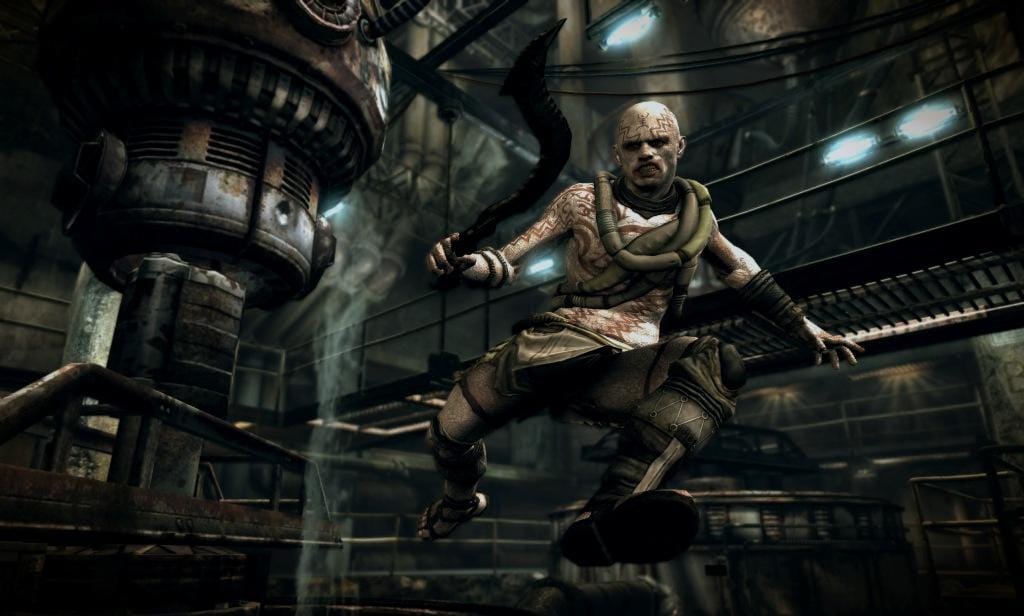
15 years removed from launch, I can look back on it with a lot of respect. By embracing open-world and survival design elements, while also feeling like the most generic id Software game (for lack of a better word), Rage stands out as one of id Software's most peculiar games.
It also speaks to an era when id Software desired to make different kinds of shooters and didn't want to run back to the boomer shooter formula. Rage was a new IP that tried to play it mainstream, and promoted an impressive game engine that would go on to power franchises like Dishonored. Rage is the last time id Software developed something this disconnected and dissimilar to its other works, and I will always respect the game for that.
Rage serves as an experimental midpoint between the id Software that created the classic shooters we all love and the studio developing many of today's most innovative FPS games. It's nowhere near the studio's best game, but it still feels pivotal to the company's evolution. 15 years later, I can respect Rage as the turning point it is.
What's Old Is News
Star Fox, Mina the Hollower, KKND, and more
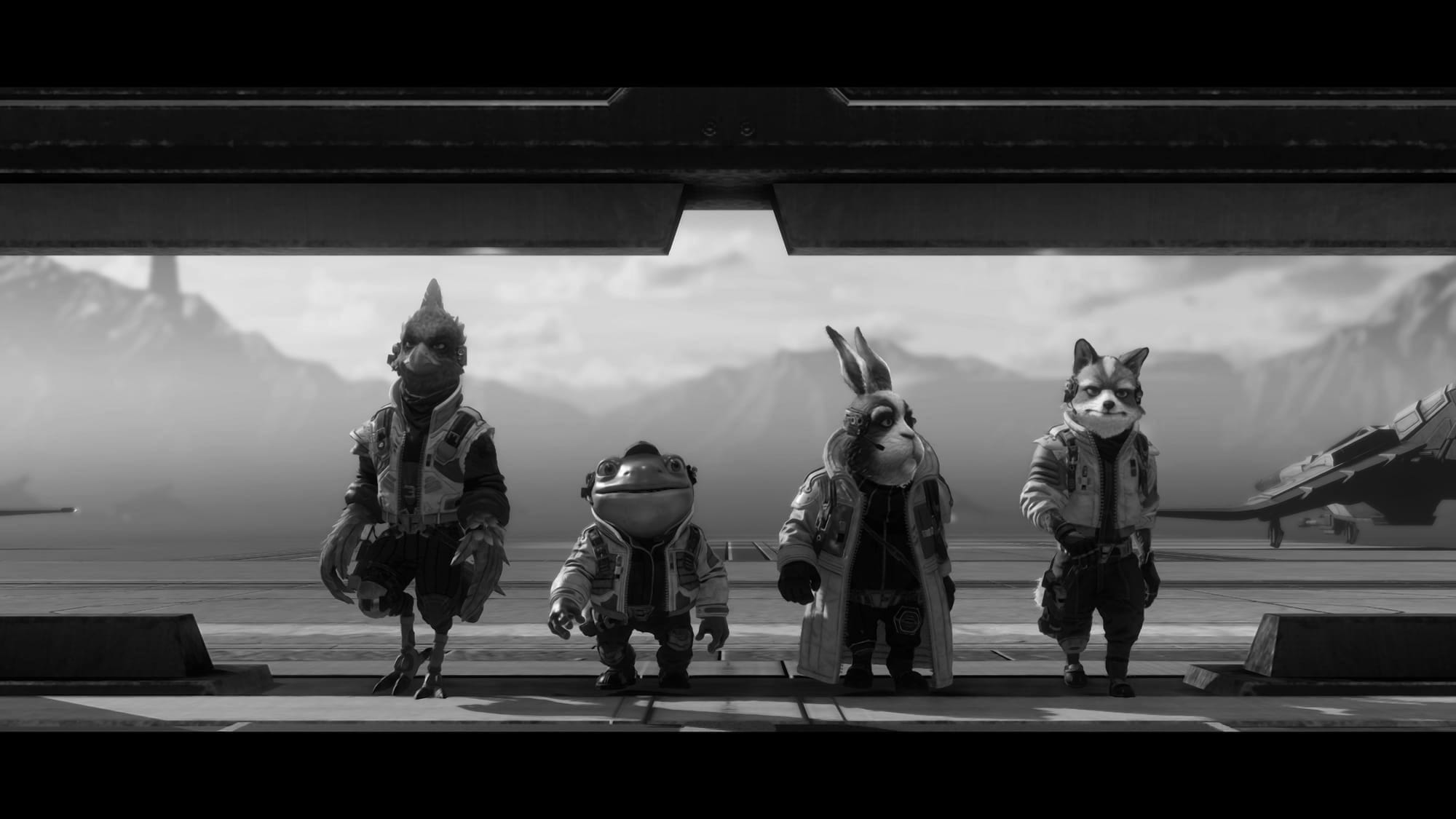
- Star Fox is getting remade yet again, this time for Nintendo Switch 2. It launches on June 25.
- Mina the Hollower, the next title from Shovel Knight studio Yacht Club Games, finally launches on May 29.
- Ziggurat Interactive is updating its Steam re-releases of Krush Kill 'N Destroy Xtreme and Krush Kill 'N Destroy 2: Krossfire to add online multiplayer support and several other quality-of-life improvements this June.
- Dark Scrolls, which I previewed in March, got a May 28 release date.
- 70's Robot Anime Geppy-X, a cult classic shoot 'em up originally released in Japan in 1999, is getting a remastered release (and first-time Western release) on July 16.
- A LEGO Sega Genesis was announced, but it doesn't look nearly as good as the LEGO NES or Game Boy. I guess Nintendo wins the LEGO console wars, too.
- GameStop will attempt to acquire eBay, which is critical to second-hand retro game sales and the preservation efforts of organizations like the Retro Mobile Gaming Project. As I explained on Polygon, this merger would be disastrous if it were to happen.
- Code Mystics and SNK re-released the 1995 arcade fighting game World Heroes Perfect on Steam with rollback netcode, a new Training Mode, and a gallery of concept art.
- EVE Online developer CCP Games went independent again, re-adopting its original 1990s name Fenris Corporation.
- Atari acquired the rights to the Wizardry IP, with the exception of its sixth, seventh, and eighth games, Nintendo Life reports.
I'm still playing Tomodachi Life: Living the Dream and Vampire Crawlers, but one other shooter caught my attention between my time with those games and Rage:
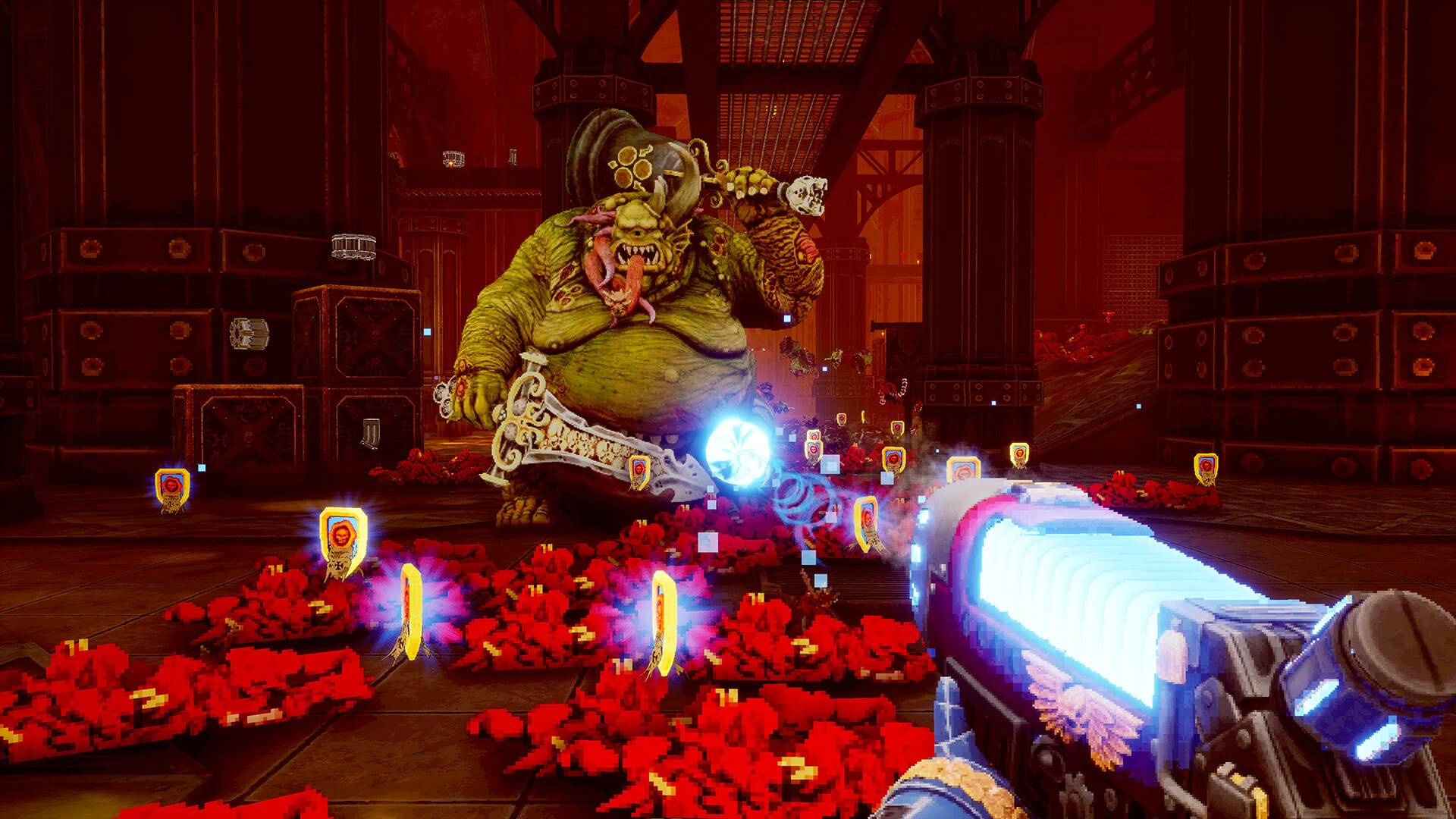
Warhammer 40,000: Boltgun: As I was in the mood for some old-school boomer shooter action after playing Rage, I checked out Auroch Digital's Warhammer 40,000: Boltgun. A precursor to this year's Starship Troopers: Ultimate Bug War, it's one of the best indie-developed boomer shooters out there. It uses the IP to great effect, giving everything a hefty weight that makes you feel badass as you slice and shoot through enemies. It felt more like classic id Software than Rage did. A sequel is currently in development, and it’s slated to launch after this year.
That’s all for Remastered this week. Next Thursday, you can look forward to an interview regarding one of the announcements featured in the What’s Old Is News section. Subscribe for free so you don’t miss that!