Is Pragmata Really An Old-School Game, Or Do We Just Miss Originality?
Many say Pragmata feels like it was ripped right out of the PS3 and Xbox 360 console generation

Welcome back to Remastered. You're getting a double dose of Capcom, as I'm interested in learning why so many people are calling Pragmata “old-school”. If you're interested in retro gaming or how our feelings of nostalgia impact what we play or how we feel about games today, please subscribe for free and consider donating on Ko-fi!

Pragmata isn't retro, it's innovative
Capcom's Pragmata is an absolutely wonderful game, and unlike any other third-person shooter I've ever played. That's why I was shocked to see so many people calling it "old-school" and claiming that the game made them nostalgic about the seventh generation (Xbox 360, PS3) of gaming. Old-school and nostalgic are essentially synonyms of retro, so I find it worth interrogating why critics, players, and even industry analysts are making this comparison.
This also raises an important question for the video game industry: Is innovation retro?
As far back as Kotaku's Summer Game Fest preview last year, Pragmata was described as "evocative of the over-the-shoulder shooters from the PS360 era." IGN's review of the final release opens by stating, "Pragmata feels like a game straight from the Xbox 360". Even Aliena Analytics industry analyst Rhys Elliott made this connection on X when discussing why Pragamta resonated with millennials and sold over 1 million copies in its first weekend.
I'm not criticizing any of those writers for describing Pragmata in such a way; I'm more curious about why so many are doing it. The father-daughter relationship between Hugh and Diana, the sci-fi aesthetics, and the focus on an original and specific gameplay gimmick are most often cited as the elements that give Pragmata its old-school feel. Let's break down each argument in order of its relevance to giving people such a nostalgic feeling.
Kotaku compares Hugh and Diana to father-daughter pairs like Joel and Ellie from The Last of Us, or Booker and Elizabeth from BioShock Infinite. While it was safe to assume this relationship could be comparable pre-release, the seventh generation of gaming was mired in more gruff, male-dominant perspectives on these relationships, and that doesn't ring true for Pragmata.
Giovanni Colantonio at Polygon wrote a fantastic article about Hugh’s status as the "anti-Kratos." His relationship with Diana is built more on support and encouragement than anything else. As the game subverts a classic video game narrative trope, I don't think the story is the main thing that gives Pragmata an old-school feel to some.
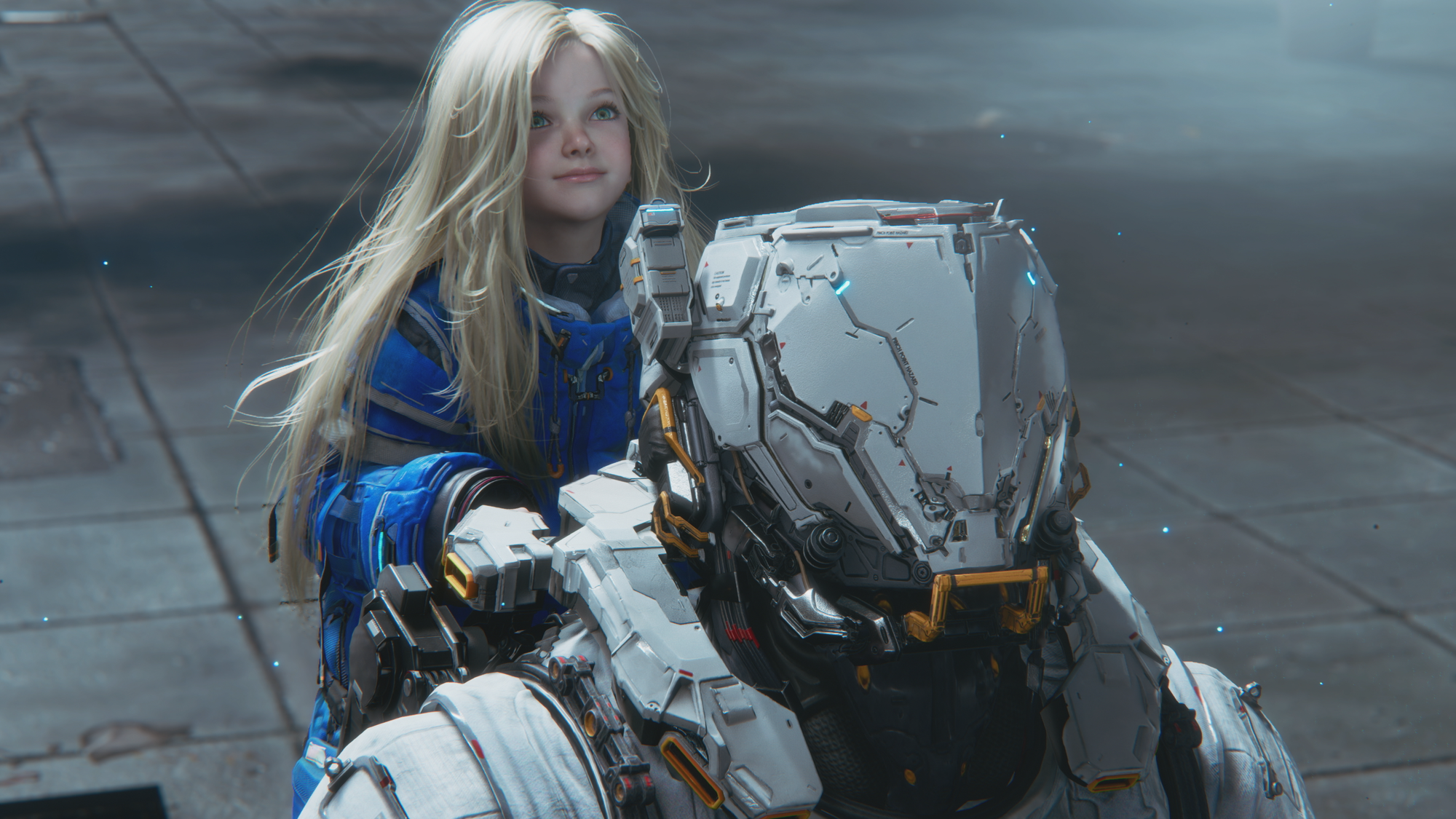
In terms of aesthetics, I understand this argument. Games like Vanquish and Binary Domain come to mind when I look at Pragmata, as do other Capcom games made with RE Engine. Aesthetic interpretation is quite subjective, though, so if Pragmata's look reminds you of a seventh-generation favorite, I can't discredit how you feel. That said, it's not going for an old-school look like plenty of throwback games do, so this can't be the main reason.
Ultimately, I feel that people make this seventh-generation game comparison with Pragmata because of its approach to game design. In 2026, the third-person shooter genre generally follows game design tenets established by the likes of Uncharted, Gears of War, and Resident Evil 4. While newer shooters like Arc Raiders and Warhammer 40,000: Space Marine 2 have impressed, it was not because of their innovation.
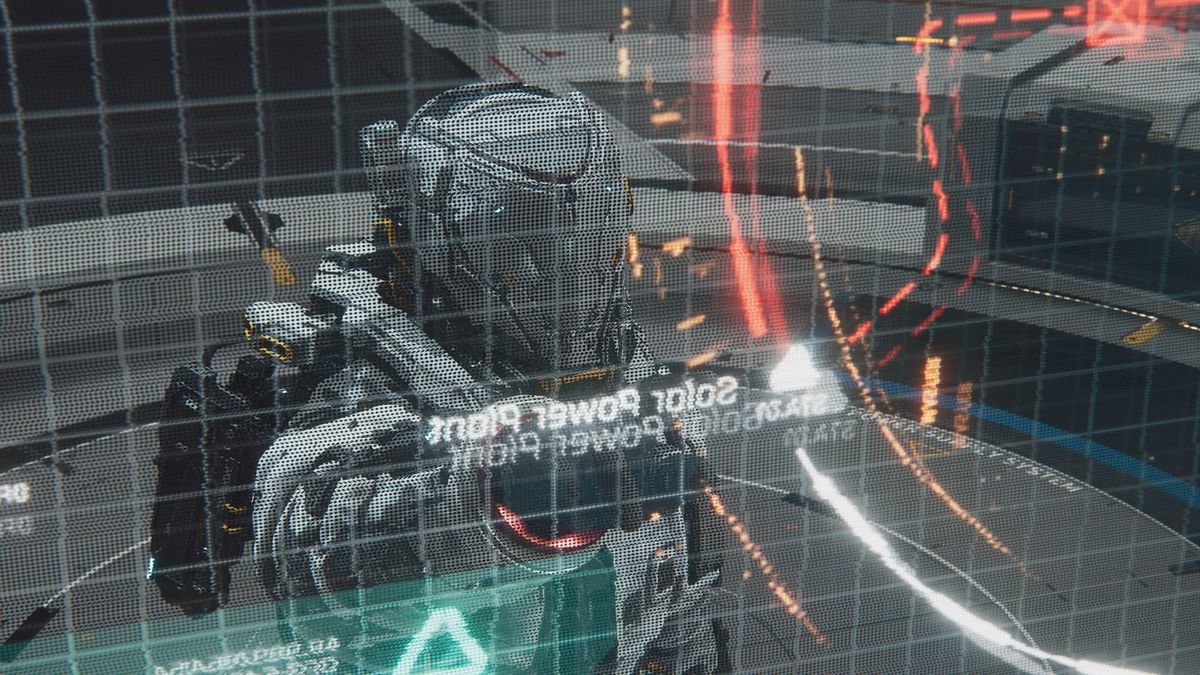
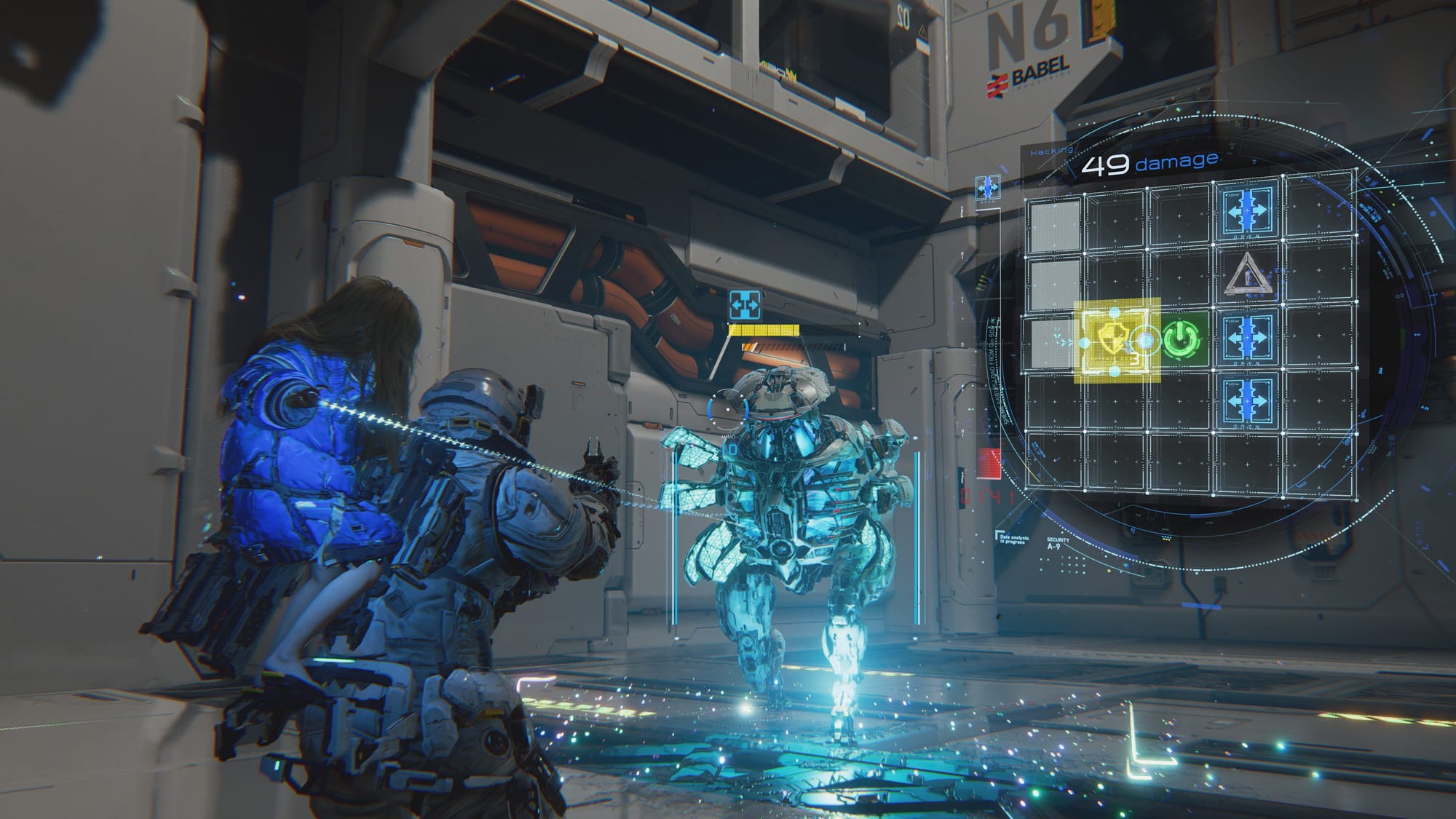
Pragmata is different. It doesn't often go for cinematic setpieces, force players to duck behind cover and shoot, or encourage scavenging and looting for better gear. Instead, running and gunning is interspersed with hacking. To maximize damage, players have to complete a hacking puzzle, passing through and avoiding certain nodes to maximize damage. As you do this, you're dodging enemies' attacks and fighting back with firepower of your own.
While it feels like this should be cumbersome, Pragmata nails the game feel of its hacking and bullet ballet. The game introduces and expands on its most distinctive gameplay feature, focusing on that more than anything else. Levels are filled with secrets but fairly linear – think Batman: Arkham Asylum. Everything in Pragmata exists to support its most original ideas.
seventh generation of gaming. We wouldn't have gotten the codified approach to the genre we know today if games like Resident Evil 4 and Gears of War hadn't rethought how the genre could be presented. Fantastic games can be created by building on tried-and-true approaches to game design, but it is a shame that our industry emphasizes this formula over innovation and original ideas.
For every Uncharted that stood the test of time after the seventh console generation, there's a forgotten third-person shooter like Fracture that experimented with deformable terrain in a way that did not become standard for the genre. Pragmata reminds people of the Fractures of the world, which is why there's a willingness to call it old-school even when it isn't overtly playing to the retro gaming crowd.
We are quick to call a game retro or old-school when it creates a nostalgic feeling, and this is why the definition of retro constantly evolves. Pragmata is both subversive and inventive in a way that feels fresh and specific to 2026. Its pioneering approach to game design is what gives the game an old-school feel, even though it's not intentionally a retro revival.
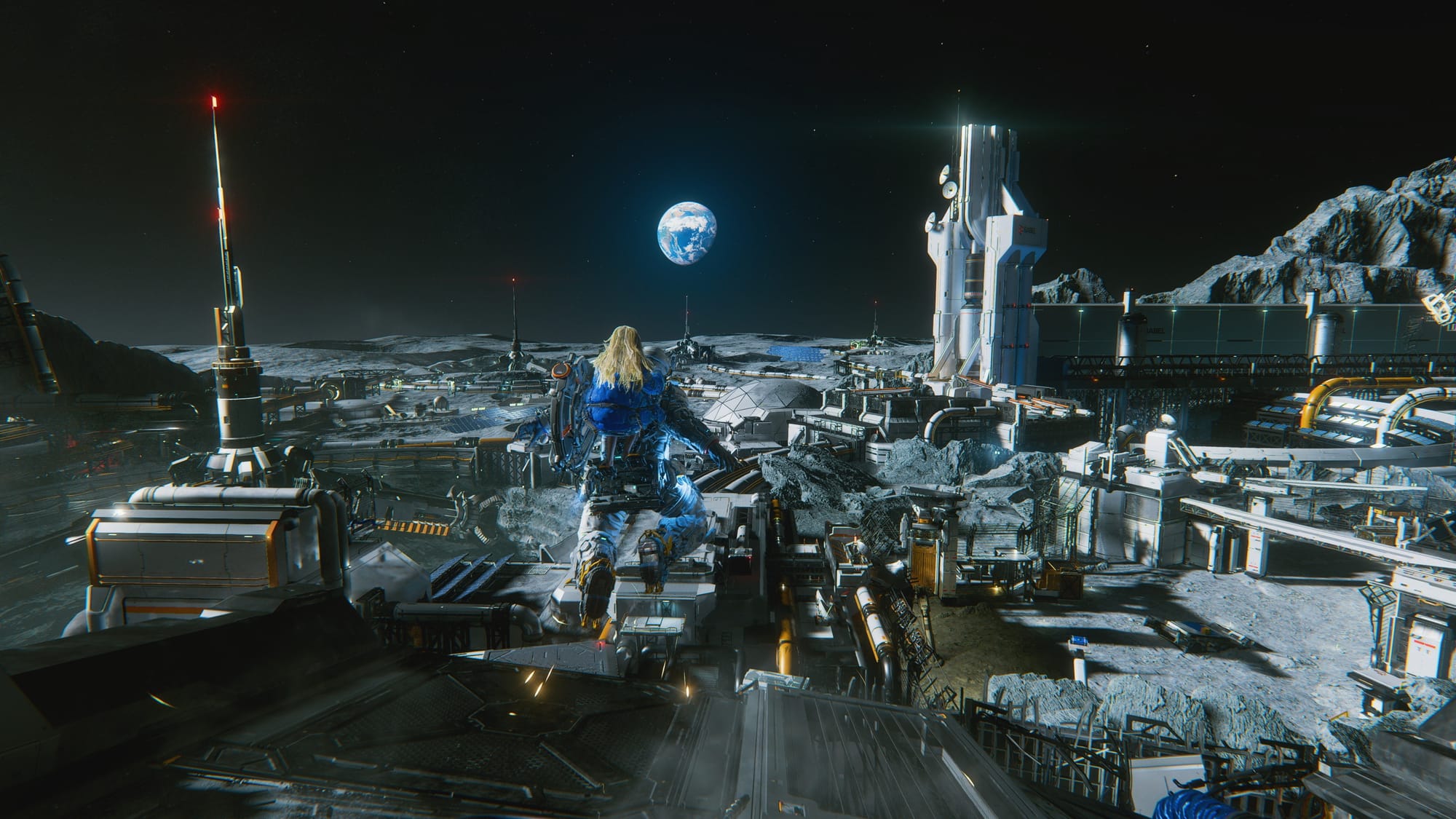
In an interview with PC Gamer, director Cho Yonghee said he's fine with the comparison too, noting that "there were a lot of really unique and interesting games that came out" during the seventh generation and that "if people are feeling that we have something of that magic in the game, that’s definitely a positive thing."
While I might not necessarily call Pragmata an old-school or retro game myself, I can understand how people are nostalgic for an era of gaming when genre design principles weren't so set in stone. Sometimes, the best way to honor the good ol' days is to push forward.
What's Old Is News
SNK, Playdate, and Tomodachi Life: Living the Dream
- SNK announced new Neo Geo hardware and plans to reboot Metal Slug. This has stirred up concern over the company's ties to Saudi Arabia, per Time Extension.
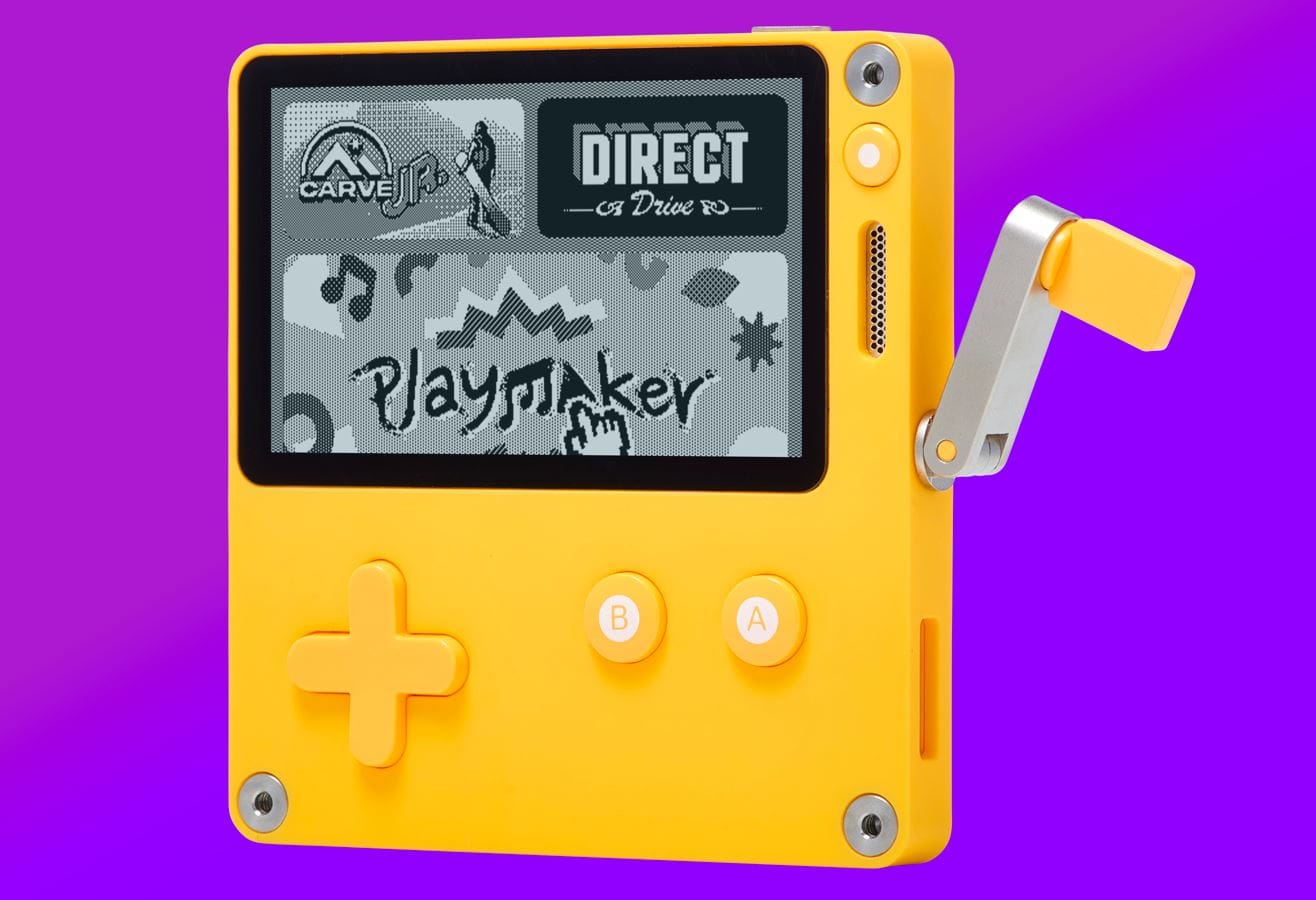
- A third season of Playdate games is on the way. I recommend picking one of these devices up if you enjoy innovative games or 1-bit aesthetics.
- Going forward, Xbox Game Pass will no longer include new Call of Duty games on day one. We don't yet know how this will impact the cadence at which Activision's back catalog of games will come to the subscription service.
- Final Fantasy V comes to Xbox Game Pass on May 5.
Pragmata might be my favorite game of 2026 right now, but another game that launched last week is just as good.
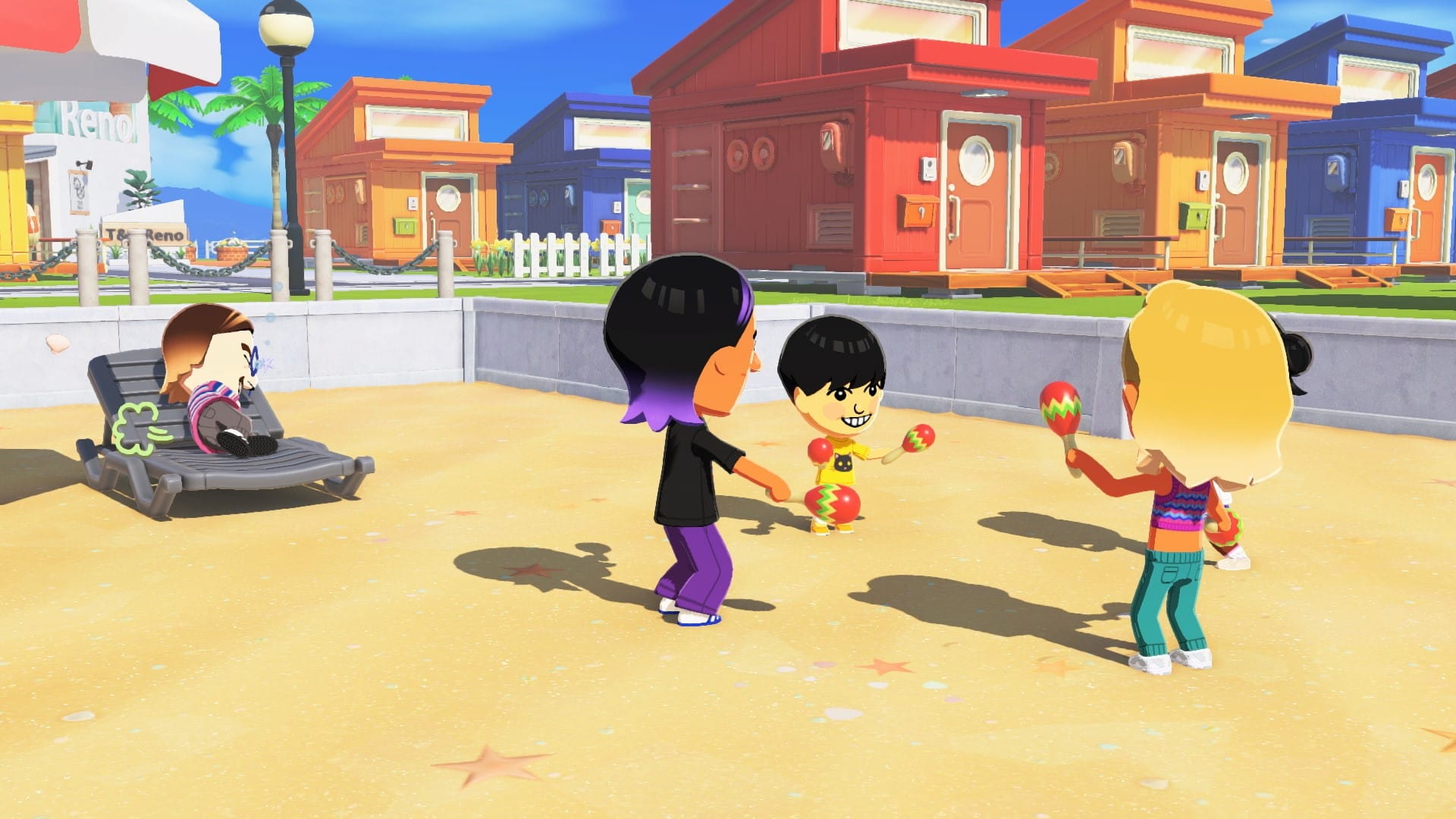
- Tomodachi Life: Living the Dream is exactly the kind of life-sim sandbox game I enjoy. I can boot it up, mess around with Miis based on friends and family, see a couple of funny scenes and interactions with them, and continue with my day. It's not the most comprehensive sandbox game, but it's drawing me back every day. If I ever need to cheer myself up going forward, I'm playing this game.
That's all for this week's Remastered. If you enjoy what you read, consider subscribing for free or supporting me on Ko-fi. Stay tuned for next week, when I'll be spotlighting an exciting game preservation initiative.