From Mega Man To Pragmata, Capcom Has Defined The Video Game Industry

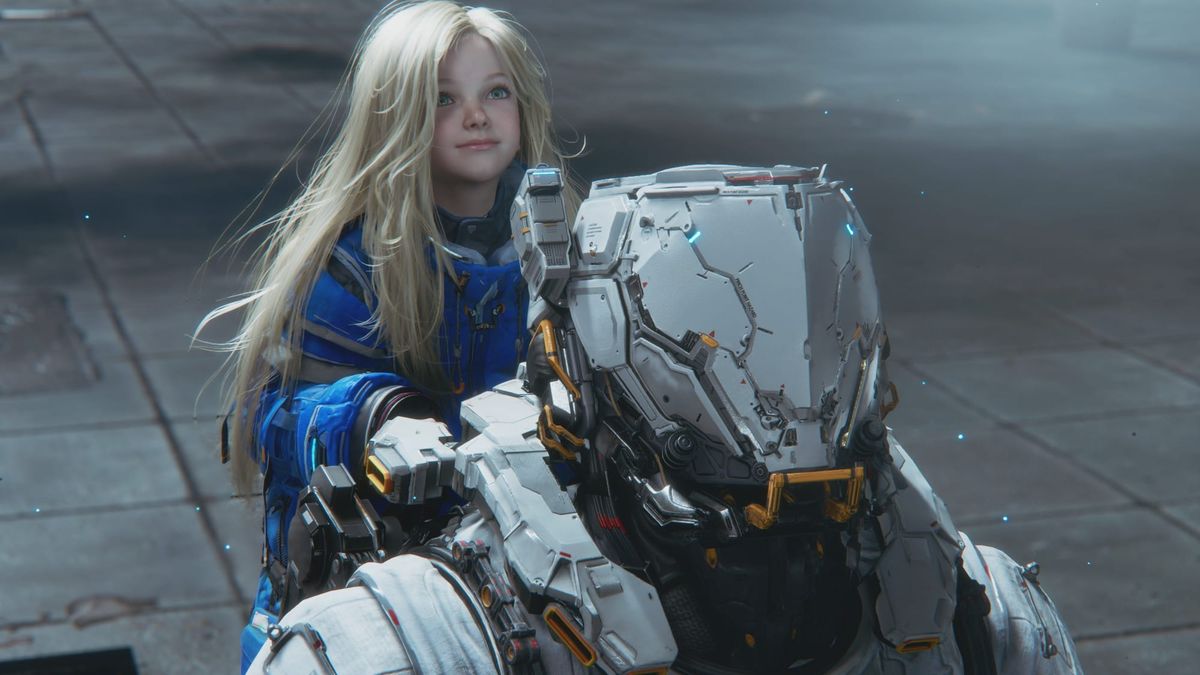
I'm back from vacation, so Remastered is back too! My cruise got redirected from Bermuda to Canada at the last minute, but it was still very refreshing. I am happy to get Remastered back on its weekly cadence, though. This week, I'm using the launch of Pragmata to take a look back at Capcom's history. If you like what you read, please subscribe to this newsletter for free or consider donating on Ko-fi!
Understand Capcom, And You'll Understand The Video Game Industry
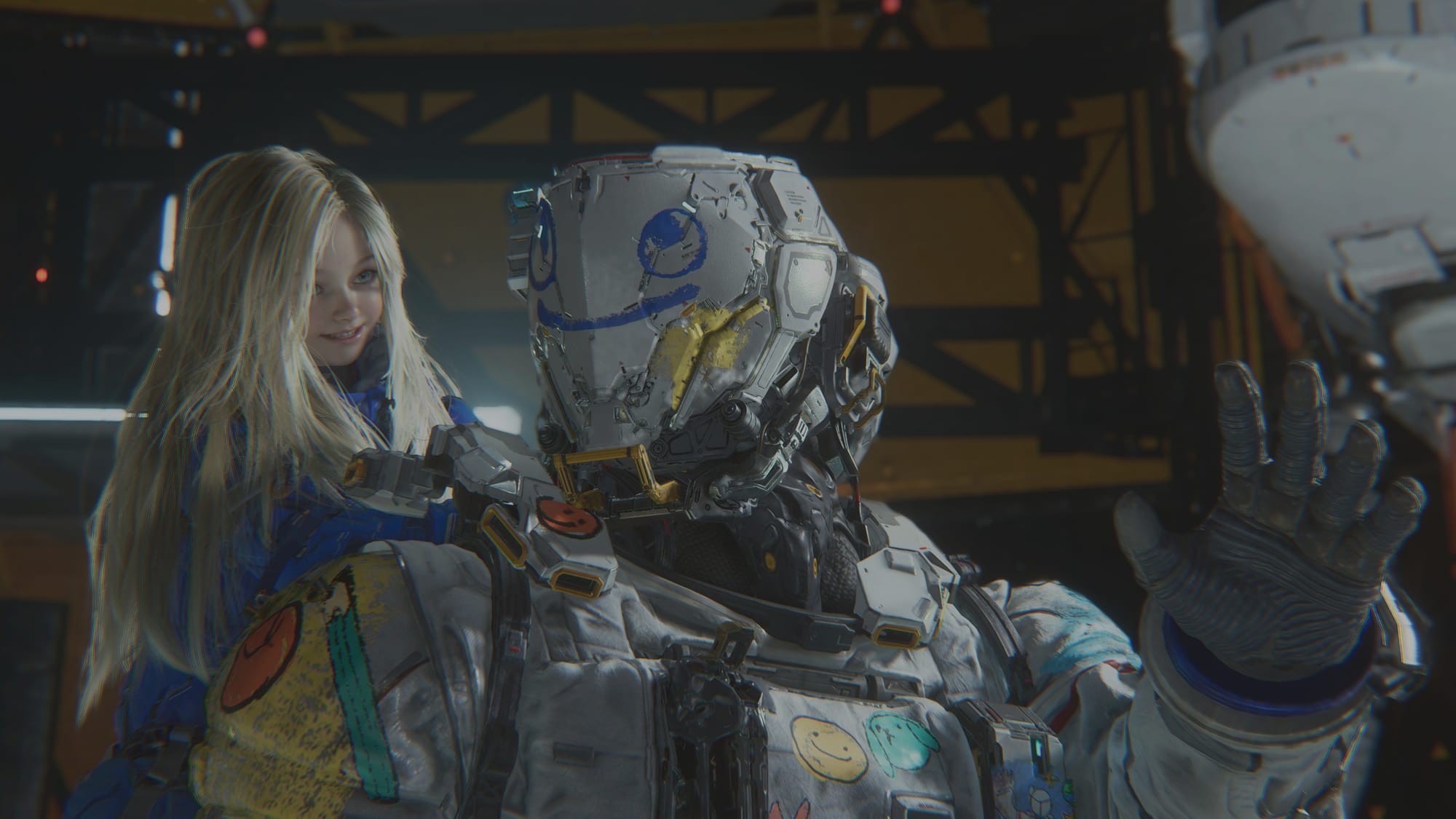
Pragmata, one of my most anticipated games of the year, comes out tomorrow. It has already received rave reviews and continues the heater of a year Capcom has had. Pragmata builds upon the momentum established with Resident Evil Requiem, and it seems like the company will keep that energy going later in the year with Onimusha: Way of the Sword. I'd also say these games are part of a Capcom renaissance that has been ongoing for nearly a decade, as the famed Japanese publisher has consistently released great games since Resident Evil VII: Biohazard in 2017.
The launch of Pragmata got me to look back at the different eras of Capcom since its founding in 1979. In retrospect, how Capcom has morphed, struggled, and grown over time mirrors the trajectory of the game industry during the same period. In many ways, I see Capcom as a quintessential game developer and publisher: if you follow its lifespan, you'll see the evolution of the video game industry itself.
The 1980s and early 1990s were a golden age for gaming, where new genres were being established, and innovation was rampant. Capcom was right at the epicenter of this; the legacy of games like Mega Man, Ghost 'n Goblins, and Street Fighter 2 still influences the games we play today. I won't run down the full laundry list of games, but Capcom was truly one of the most important game developers and publishers of this era.
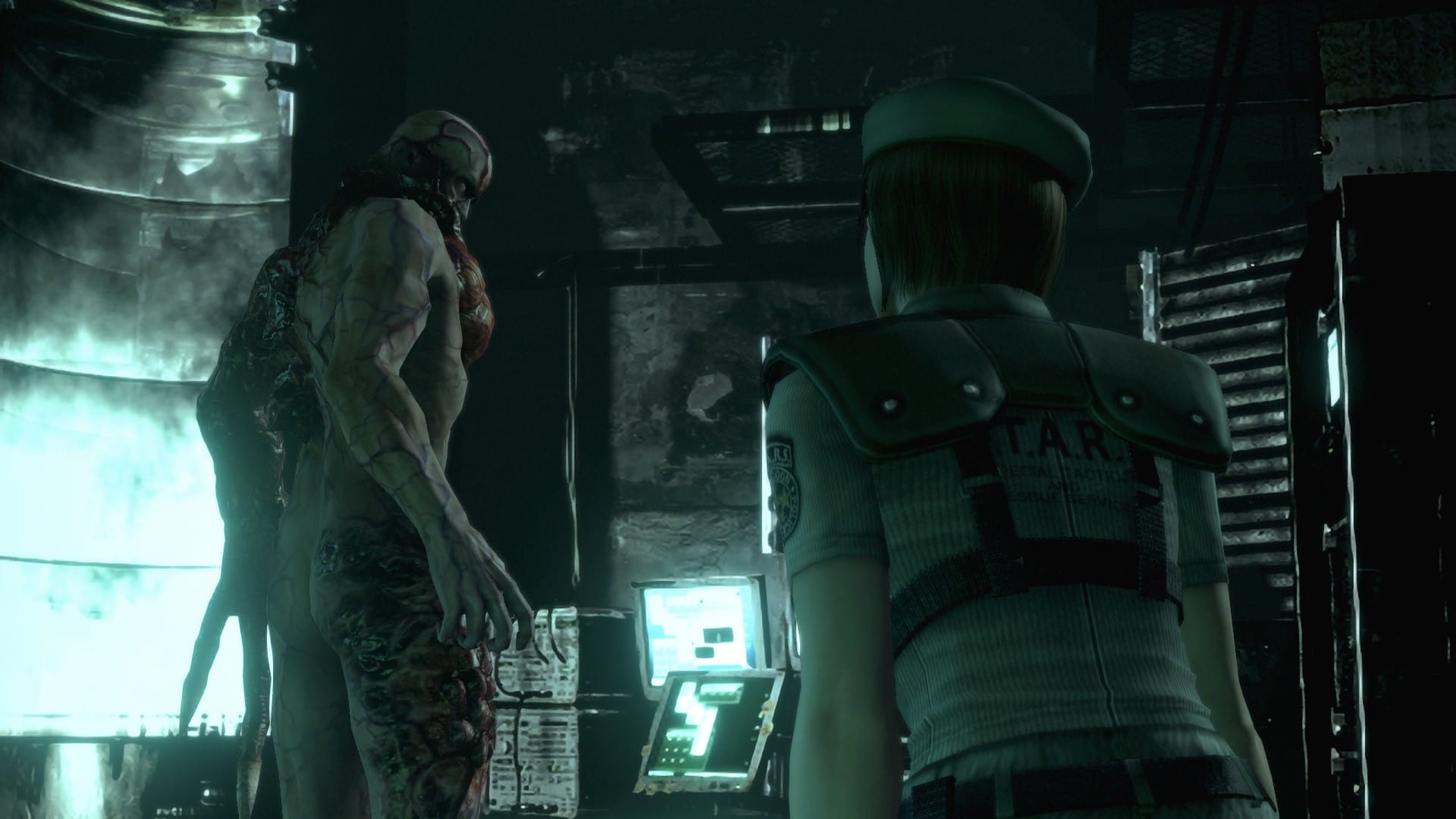
It faced a major challenge in the late 1990s, though, as the industry transitioned away from arcade and towards 3D console games. Where the Midways and SNKs of the world really struggled, Capcom found ways to stay relevant despite the waning popularity of Street Fighter. Namely, it created another quintessential game in Resident Evil, which spawned a series that's as strong as ever in 2026.
A quick look at Capcom's game lineup between 1995 and 2005 will show just how much technical innovation was happening in the video game industry during that time. Capcom powered through this time of drastic change and created some killer new franchises like Monster Hunter and Devil May Cry in the process. Not every game was a phenomenon, but it released enough hits, like Resident Evil 4, to stay relevant.
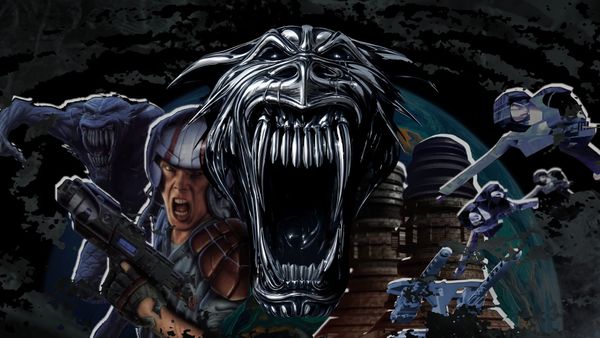
Unfortunately, it struggled as it tried to embrace the darker, violent, and Western-focused tone of late 2000s and early 2010s gaming. Bionic Commando, Final Fight Streetwise, DmC: Devil May Cry, and Dark Void didn't meet the bar of quality Capcom previously established for itself, nor did Resident Evil 5 and 6. They reflect the mindset of game publishers regarding what they thought gamers were like during that time, but were also just a far cry from what Capcom was best at making.
There are still quite a few great games and franchises that emerged during this time, like Dead Rising, but Capcom didn't quite feel like itself. There were some bright spots from this era, though, like t Street Fighter IV reigniting passion towards fighting games. Still, it'd be a few more years before things really started to improve for Capcom.
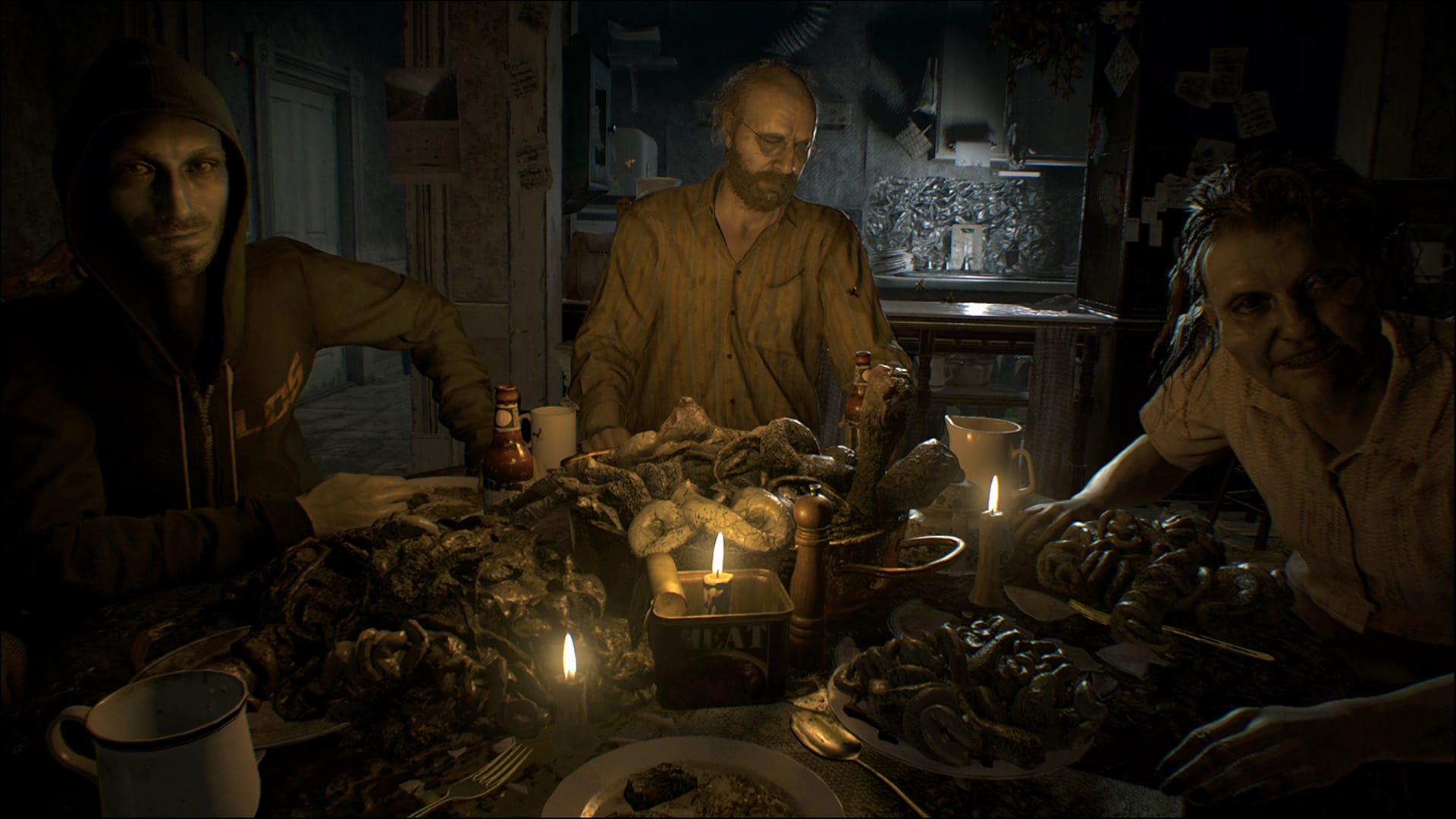
As the video game industry hit its greatest heights yet in the late 2010s, Capcom was perfectly positioned to capitalize on the biggest trends. was perfectly attuned with the kind of first-person horror gaming going viral and in vogue at the time. It revitalized and grounded a series that had previously jumped the shark. The game also established a high bar of quality, yet almost every Capcom game released since has met that threshold.
Nostalgia came back into vogue, which Capcom could lean into by remaking and re-releasing its vast back catalog of iconic games. Its Resident Evil remakes are just as beloved as the new games, and franchises like Street Fighter and Monster Hunter are more popular than ever. Even series that previously felt like cult classics, like Onimusha and Okami, garnered enough fans to warrant revivals.
Gaming audiences are also kinder to quirkier Japanese games nowadays, so Capcom faced a warm reception when taking bolder swings with titles like the colorful Devil May Cry V and genre-defying Kunitsu-Gami: Path of the Goddess. The one caveat to Capcom's successes has been its inability to break into the live service space with any of its multiplayer Resident Evil games or Exoprimal. Then again, maybe that's just emblematic of how tough live service gaming is to broach right now.
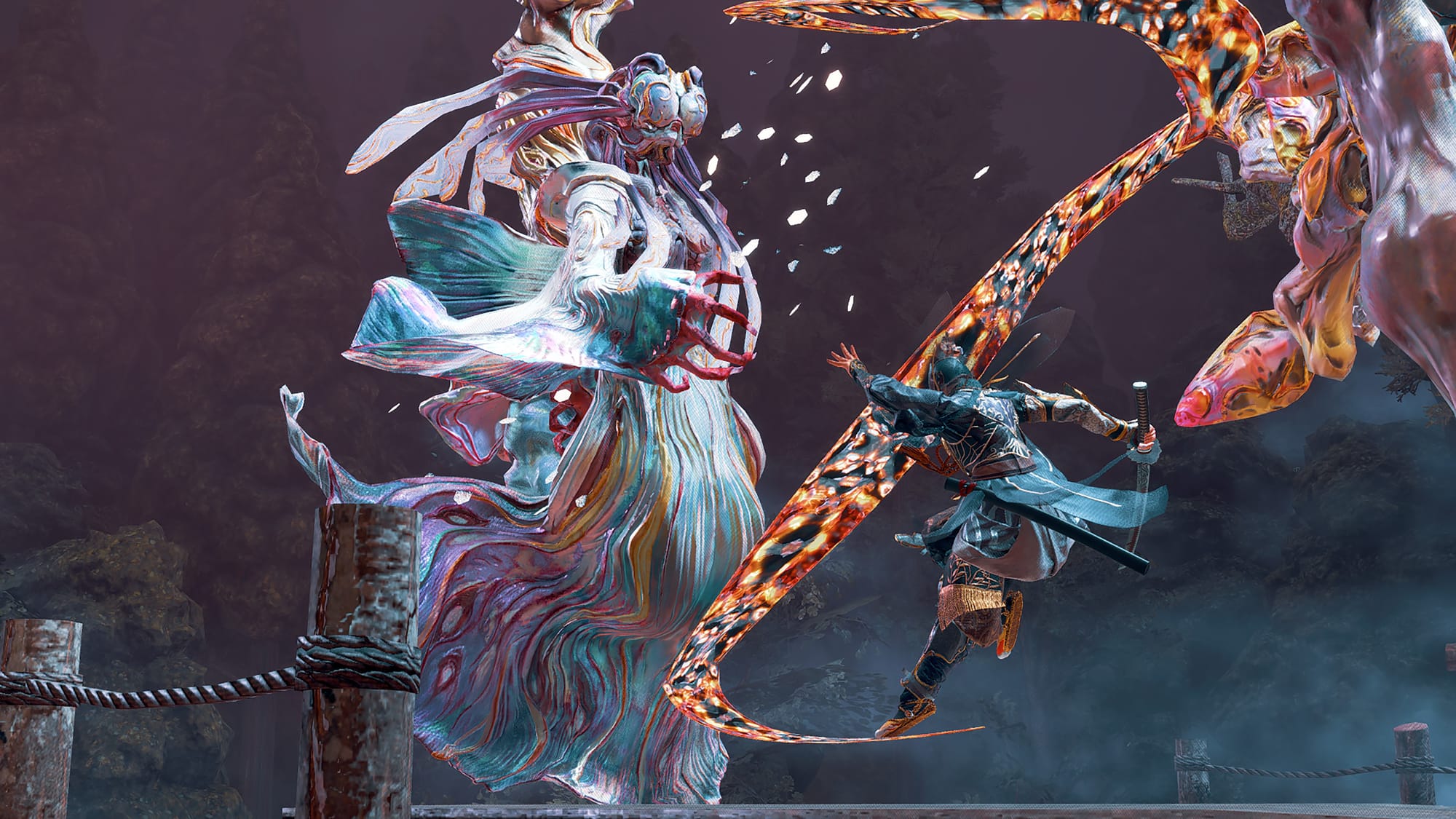
When I look at Pragmata, I see an innovative game that blends action and puzzle game mechanics, arriving at a time when the video game industry is in desperate need of new ideas and new IP. The game is weird, but it also grounds itself with a narrative about parenting that has worked well for big hits like The Last of Us and God of War. I absolutely can't wait to play Pragmata and see if it's a bellwether for where the video game medium is going.
Capcom's willingness to adapt is why the company has survived and thrived in so many different eras of video game history, but it also shows just how much gaming has changed over the last 47 years. Perhaps that's why Capcom remains one of my favorite game publishers in the industry today.
What's Old Is News
Triple-I Initiative, Warhammer Classics, and More
These stories are the highest-profile retro gaming-related news from the two weeks I was gone:
- The Triple-I Initiative Showcase returned last week, featuring a flurry of trailers for some fantastic-looking indie games. As is to be expected, some of these games were retro-inspired:
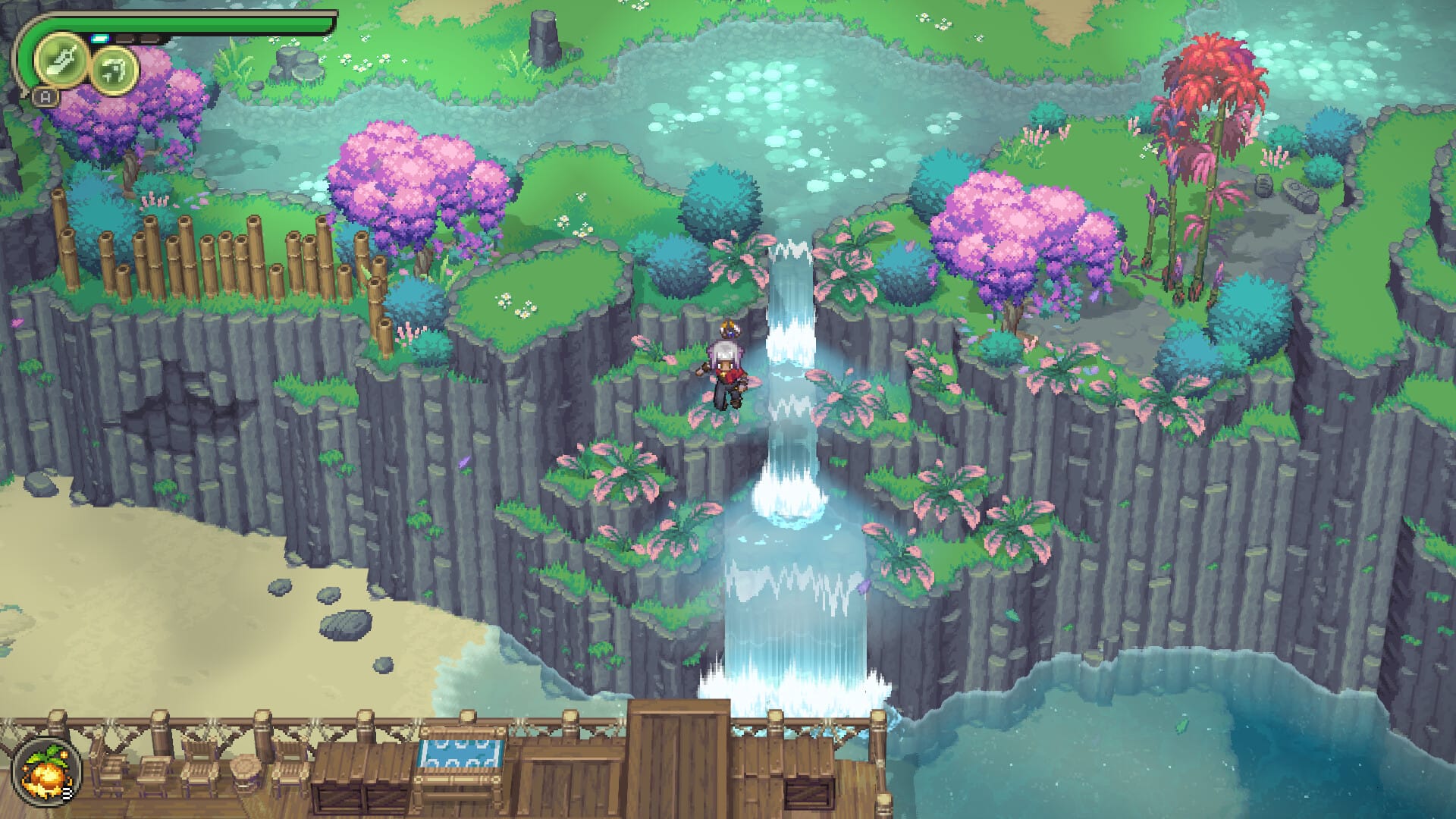
- Alabaster Dawn got a May 7 early access release date, and it already looks even better than Crosscode. Its developer also confirmed it's adding a roguelike side mode to this Zelda-like action-RPG, a really smart move to keep players occupied between updates during early access.
- Castlevania: Belmont's Curse got a new trailer showing more gameplay and delving into its French setting. I'm looking forward to exploring what I expect will be the game industry's best rendition of Notre Dame since Assassin's Creed Unity.
- A lot of horror-cozy game hybrids were shown off, but Graveyard Keeper 2, Neverway, and Romestead looked the closest to Stardew Valley for those who like the retro aesthetic. Graveyard Keeper was even made free for a limited time after the announcement, and that decision apparently made its developer and publisher a lot of money thanks to DLC sales, according to GamesRadar.
- Long Gone got a new trailer and 2027 release window. This zombie game looks like it'll take up Replaced's mantle as the next upcoming indie with a stunning take on pixel art.
- Lost Railway takes the horror friendslop formula and applies it to a 2D platformer starring some cute animals. I think this one has the potential to go viral when it launches.
- If you ever wished Mario Party had more blood and gore, Machine Party is for you.
- Warhammer Survivors is an officially branded Vampire Survivors spin-off coming later this year.
- Pac-Man, Mendel Palace, and The Tower of Druaga came to the NES catalog on Nintendo Switch Online.
- Double Dragon creator Yoshihisa Kishimoto died, Time Extension reports.
- Games Workshop re-released the following Warhammer games on Steam, while also updating them to work on modern PCs, under the new Warhammer Classics banner: Shadow of the Horned Rat, Final Liberation, Chaos Gate, Rites of War, Dark Omen, Fire Warrior, Mark of Chaos - Gold Edition, Space Hulk, Space Hulk: Ascension, Armageddon, Sanctus Reach, Talisman: Horus Heresy, Talisman: Origins, Man O' War: Corsair – Warhammer Naval Battles, Warhammer Quest, Warhammer Quest 2: The End Times, Legacy of Dorn: Herald of Oblivion, Chainsaw Warrior, and Chainsaw Warrior: Lords of Night.
- Gothic Classic comes to PS5 and Xbox Series X|S on July 28, while Gothic II Complete Classic arrives on those same platforms on September 29 and Gothic III Classic rounds things out on November 24. These re-releases will all follow the launch of a full-on remake of Gothic 1, which comes out on June 5 (pre-orders for that will also net you Gothic Classic).
Except for Pokémon LeafGreen and a couple of arcade games on my cruise ship, I actually didn't play many games while on vacation. I let it be the calm before the storm, as I'll be burying myself in games like Tomodachi Life: Living the Dream, Pragmata, Replaced, and Sol Cesto in the coming days. That said, one game released earlier in the week did capture my attention:
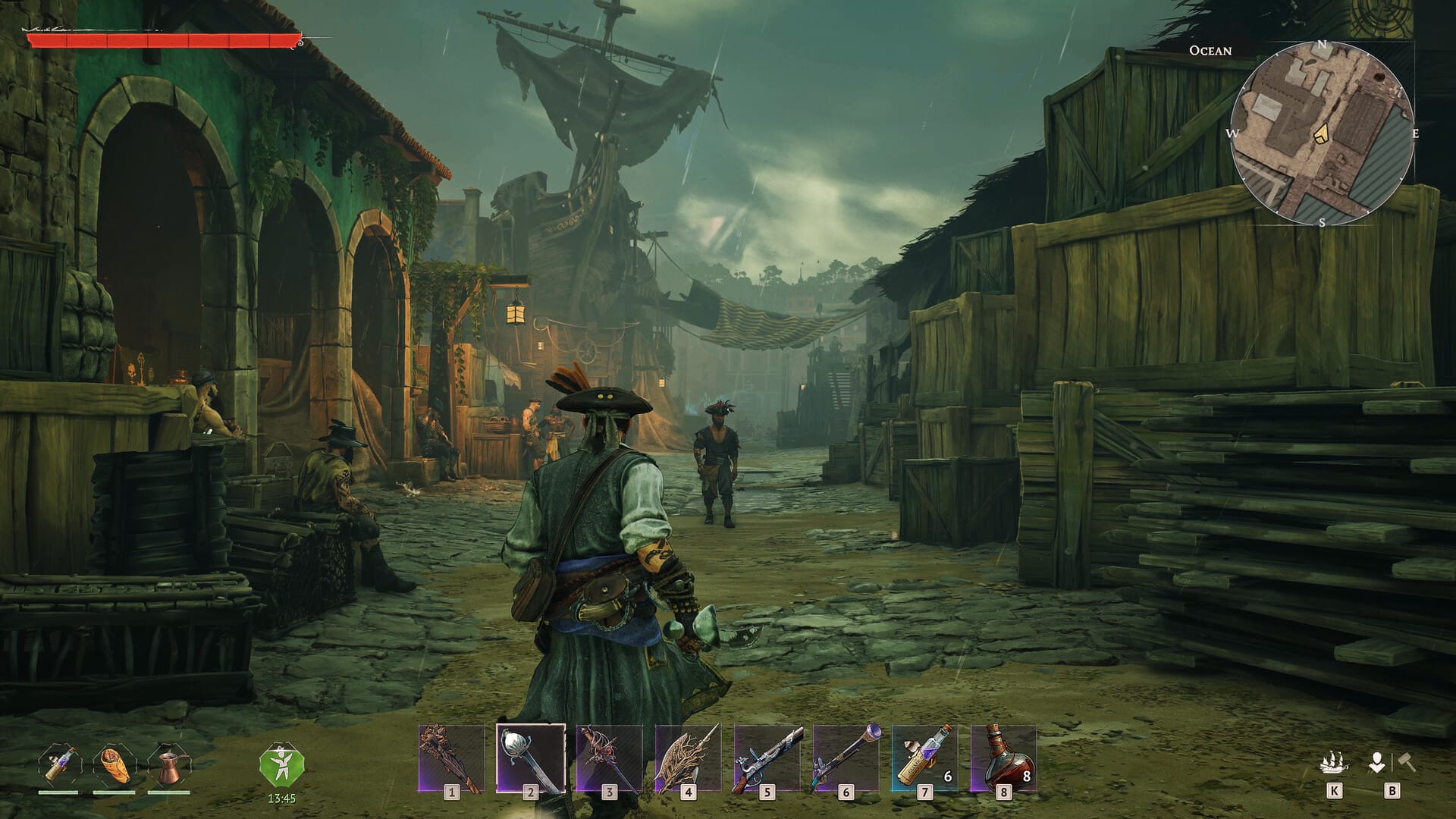
- Windrose: I typically bounce off survival games like Grounded 2 or Valheim pretty quickly, never playing them much more than I need to for work. Something about Windrose and its pirate theming has hooked me in a way other survival games haven't, though. It's definitely not the most original survival game, but its pirate setting and aesthetics just scratch an itch that surprisingly few video games do. I've yet to play it in a server with other players, too, so I know there's a lot more potential for this one. Maybe pirate games can have a bit of a renaissance this year, thanks to this game and the upcoming remake of Assassin's Creed IV: Black Flag.
That's all for this week's Remastered. Consider subscribing to the newsletter for free if you haven't already!