This Organization Is Archiving Retro Handhelds And Mobile Games When No One Else Will
Professors from Northeastern University and the University of Michigan built an archive about the history of handheld and mobile gaming.

Welcome back to Remastered! I’m particularly excited about this week’s newsletter, as I highlight the Retro Mobile Gaming Project and interview the academics who brought it to life over the last decade. As someone currently working on a master’s degree, I find their work pretty inspiring. Enjoy, and if you like what you read, consider subscribing for free or donating on Ko-fi!
What Is The Retro Mobile Gaming Project?
While there are many different corners of the game industry to document and report on because of their influence on the medium's history, we don't do a great job preserving them. The more niche you get, the harder it becomes to reliably find information on historically significant video games, unless you're willing to take a deep dive on Wikipedia or trust in Google's ever-worsening algorithm.
That's part of the reason I started this newsletter, and I hope to do more retrospective work in the future. It's also why I respect the work of the Video Game History Foundation, and the subject of today's newsletter: the Retro Mobile Gaming Project.
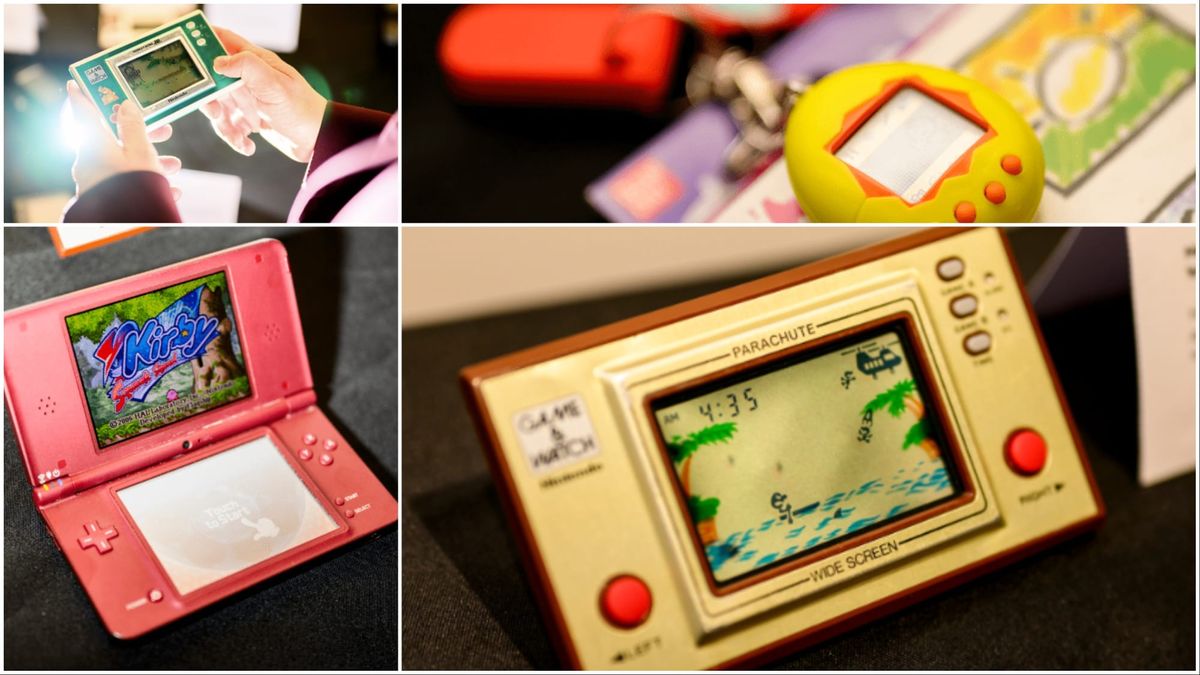
Spearheaded by professors at Boston's Northeastern University and the University of Michigan, the Retro Mobile Gaming Project is an ever-growing archive of physical and digital mobile and handheld games, starting with the Mattel Football handheld from 1975 and ending before the rise of iOS and Android in 2008. While its origins date back nearly a decade, the database was recently revamped to be more public-facing and easier to access for researchers and gamers alike.
I spoke to Dr. Adriana de Souza e Silva and Dr. Ragan Glover to learn more about how a database like this comes to be, what it takes to maintain it, and why an often-ignored niche of the video game industry's history is worth preserving in this way.

The origins of the Retro Mobile Gaming Project can be traced back to the mid-2010s, when de Souza e Silva was a professor at NC State University, and Glover was a PhD student. Pokémon Go launched and became a cultural phenomenon, reigniting cultural and academic interest in mobile games and location-based video games.
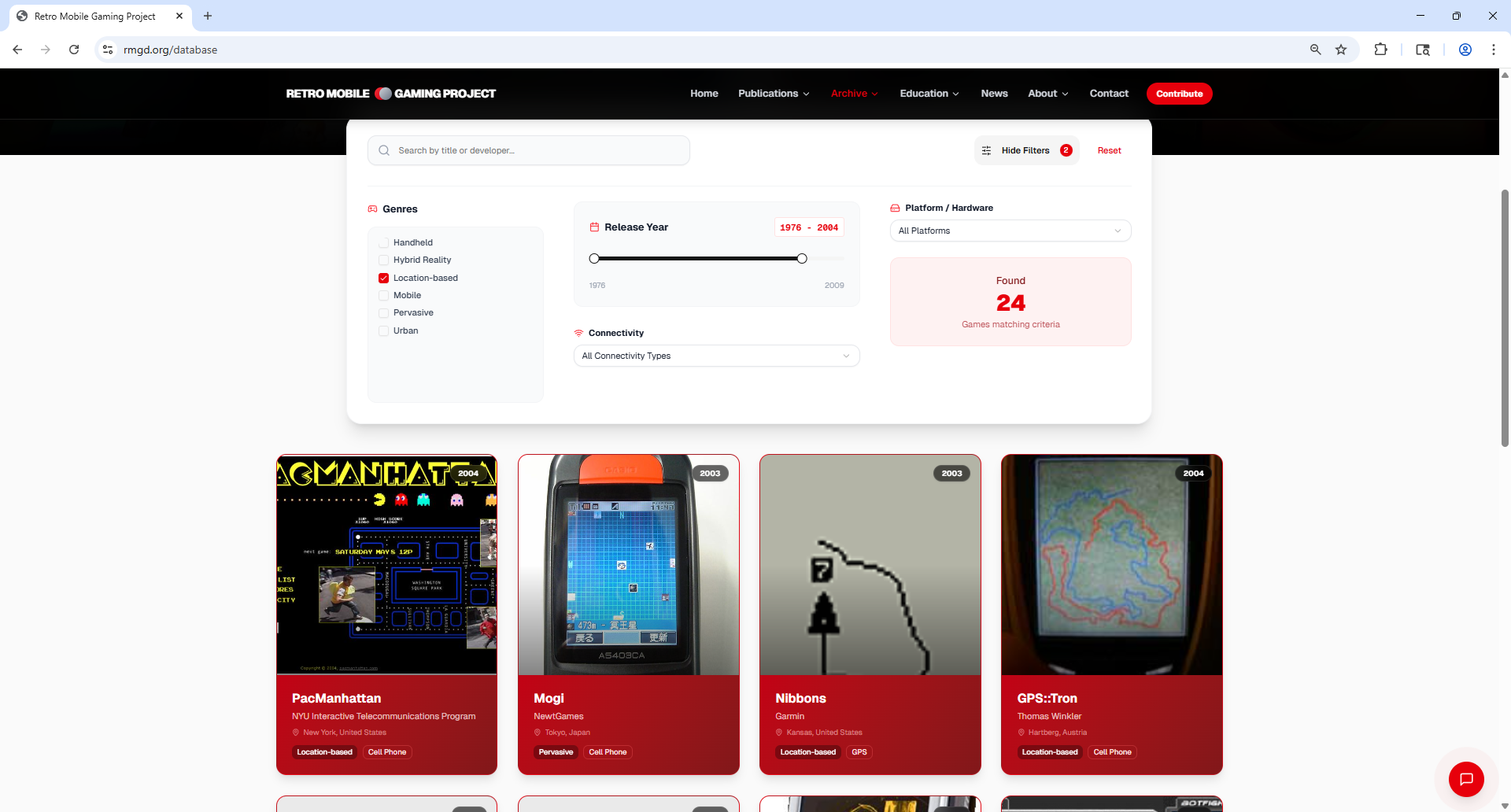
"I was trying to understand how accessing the internet from your mobile phone changed the way we experience spaces," de Souza e Silva explained. When Pokémon Go went viral, she recognized a long history of under-discussed location-based mobile games that preceded it, including Botfighters, NewtGames' Moji, and Bot Theory's Can You See Me Now? These games did not receive the credit or cultural recognition they deserved, simply because of a lack of a comprehensive source of information.
From there, de Souza e Silva explained her inspiration to create a database: "Unless you had documentation and you knew the history of the game, you wouldn't know their story, where they came from. They would basically disappear… It originally came from this idea of 'how can we preserve the memory of these games that are sometimes temporary and disappear?”
Glover broadened the project’s focus into physical gaming hardware as well, including the history of handheld games dating back to the 1970s. To these mobile game researchers and database curators, "retro" refers to any handheld game or gaming device released before the proliferation of the iPhone and modern app storefronts.

In the years following the spark ignited by Pokémon Go, de Souza e Silva and Glover spent significant time– both on their own and with the help of students– scouring the Wayback Machine, eBay, YouTube, and other corners of the internet to create a comprehensive source on mobile game history.
While the first version of the database took shape in 2019, the Retro Mobile Gaming Project is undergoing a public-facing relaunch this year and is now accepting public contributions and donations. Its website currently features a database of over 240 mobile games, a physical handheld gaming device collection, and a roundup of relevant academic articles and videos to inform people about the vast history of mobile gaming.
I consider myself well-versed in video game history, and I've already discovered plenty of games in this database that I've never heard about. To me, that's proof that the Retro Mobile Gaming Project is doing important work. It's not easy work, either. Glover highlighted to me all the work that went into creating a taxonomy for games in the database, preserving the physical materials they received, and securing the funding and support to operate the archive in the first place.
Even with the fantastic work of video game historians, preservation non-profits, and remaster-focused companies, efforts like the Retro Mobile Gaming Project show that there are still so many important nooks and crannies of the medium's history that need comprehensive care, attention, and organization to be properly preserved and studied.
"[Mobile games] tell us about how we interact with mobile technologies, and give us a different perspective on cell phones. Cell phones are the main way we connect to the internet today, and then they're also game devices," de Souza e Silva argued. "They change how we interact with our cities, with other people in the real world."
For Glover, preservation is a lot more of a personal and cultural necessity:
"There are, of course, academic researchers who have an interest in these things, but for your average, everyday public, it's for reminiscing about earlier digital cultures. It's a trip down memory lane. It's a way of remembering other aspects of your life. I remember going to a flea market with my parents and buying a second-hand Game Boy Color…This gaming experience then becomes wrapped up in these other cultural memories of commerce and family life and that sort of thing."
Archives might not be the flashiest way to discuss video game history, and they're grueling to put together, but they play a very important role in ensuring influential and innovative games receive the remembrance they deserve. They inform how and why we play the games we experience today, and give us a better idea of the context in which previous games were released.
"That's the power of doing historical work," Glover tells me. "It's never just about the object of study. It's about all of the things that are connected to that thing that you're looking at.”
What's Old Is News
An Atari acquisition, Adventure of Samsara, Assassin's Creed: Black Flag Resynced, and more
- Atari acquired Implicit Conversions, the studio behind the PS1 and PS2 emulation used in PlayStation Plus’ Classics catalog. This move further consolidates industry-driven remastering and re-releasing efforts under one roof.
- Bram Stoker’s family gave their official seal of approval on Dracula: Dark Reign, which is being developed for Game Boy, Time Extension reports.
- Adventure of Samsara, an underrated retro Metroidvania that launched the same day as Hollow Knight: Silksong, got a massive update and relaunch on April 27. Having tried out the updated version of the game, the new quality-of-life improvements to the UI and combat only further strengthen my recommendation that you check this game out.
- Storied strategy game developer Firaxis unveiled a new logo to celebrate its 30th anniversary, though the celebration seems mostly limited to new merch and a tabletop XCOM game, rather than any remasters or re-releases.
- Take Two Interactive CEO Strauss Zelnick gave a faint bit of hope for an L.A. Noire revival at the iicon event, Game File reports.
- A Games Done Quick event is being held around Gamescom this August, so now we’ll get to see more Europeans speedrunning retro games.
- Assassin’s Creed: Black Flag Resynced was announced. It will launch for PC, PS5, and Xbox Series X on July 9.
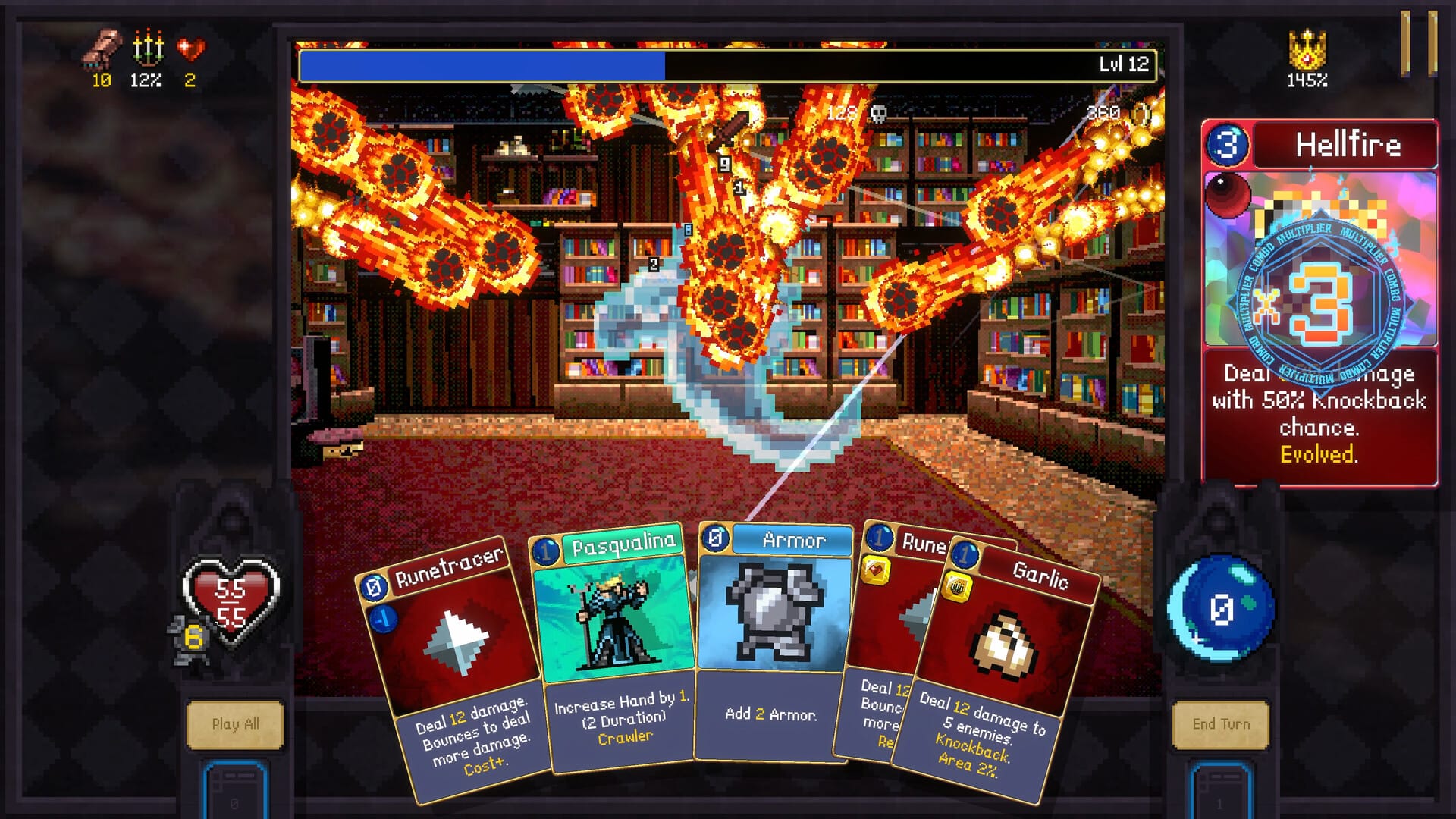
This April continues to be a killer month for games. Here are three new ones from this week that I want to talk about:
- Vampire Crawlers: Vampire Survivors has become so iconic in its own right that I assumed that anything else Poncle would make would feel like it was in the shadow of that game. I was more than happy to be proven wrong with Vampire Crawlers, which takes Survivors' retro aesthetic and over-the-top gameplay and applies them to a dungeon crawler with card-based battles. While watching the effects of several cards play over each other at once can feel a bit ridiculous, Vampire Crawlers is still a masterfully designed card battler, roguelike, and dungeon crawler. I had a lot of fun discovering particularly powerful card combos, scouring every part of every floor in each dungeon, and consistently feeling the urge to do just one more run.
- Kiln: This new multiplayer game from Double Fine is very unique and a whole lot of fun. Although its PvP battles are pretty light and casual, the pottery-making system made me care more about my creations and my player characters than even a licensed IP outfit would in a comparable multiplayer game. It might not hold your interest for long, but Kiln is a fun Game Pass novelty. Read more of my thoughts on the game on Polygon.
- Tides of Tomorrow: While the writing in this choice-driven narrative game can be pretty cringeworthy at times, it’s fascinating how it incorporates multiplayer into a traditionally single-player genre. You can see the choices another player made at each location you visit, and their decisions can impact your world state. It's an innovative and novel narrative game, though I don’t care much for the story.
Thanks for reading through this week's Remastered! If you want to stay in the loop for when another newsletter drops next Thursday, subscribe for free! Donating on Ko-fi also helps to support independent games media.