EverQuest Legends Is More Than A Novelty Throwback
Executive Producer David Youssefi breaks down how EverQuest Legends is more than a throwback to the MMO's launch days.

Welcome back to Remastered! Next week, EverQuest Legends will give the iconic MMO the WoW Classic treatment. I spoke to the developers behind the game to find out just how this revival came to fruition. Please subscribe so you don’t miss future newsletters, and consider supporting me via Ko-fi if you enjoy this interview.
EverQuest Legends Doesn't Just Revert The MMO Back To Version 1.0
The existence of EverQuest Legends isn’t too surprising at first glance. “Classic” modes are all the rage for live service games nowadays, with everything from World of Warcraft to League of Legends tapping into players’ nostalgia for the early days of games they’ve been playing for decades. It’s a new form of nostalgic retro gaming that didn’t even exist just a decade ago, and it’s clearly working.
As more classic versions of multiplayer games release to the public, we’re seeing them push the boundaries of what exactly constitutes a reimagining. In EverQuest Legends’ case, original developer Daybreak worked with the modders-turned-developers at Game Jawn to make the MMO more casual and solo-friendly. Accomplishing that while maintaining the “classic” feel players expect is a delicate balancing act, and I was fascinated to see how Game Jawn is pulling this off.
At Summer Game Fest Play Days in June, I saw EverQuest Legends in action early and got to speak to some of the Game Jawn developers working on the game. In the month-and-a-half since, I booted up the pre-order beta myself and had a follow-up conversation with Executive Producer David Youssefi to further explore Daybreak’s goals with EverQuest Legends. I affirmed that it definitely isn’t RuneScape Classic, but it is recontextualizing what people enjoyed about the original MMO to create a new game that can stand alongside the two versions of EverQuest already operating.
Perhaps EverQuest Legends feels so different because the genesis of the project didn’t come from an urge to make EverQuest’s answer to World of Warcraft Classic. Youssefi pointed out to me that fan servers like Project 99 and Project Quarm had already done that, with modders using emulation and other open-source programming techniques to bring the MMO closer to what it was like in 1999.
Instead, Youssefi wanted to develop a “more casual version of EverQuest that I always wanted to see made,” and thought the retro stylings of 1999 would be a good fit for it. “When we decided to make this version of the game, I don't think we had necessarily completely decided on to what extent we were going to just stick to that original 1999 art style, look and feel, etc,” Youssefi told me. “By the time we had started development, that was sort of a decision that I'd made, and it was really just something that was personal to me.”
By embracing OG EverQuest’s stylings, Youssefi believes Legends differentiates itself from the two EverQuest games available while tapping into the charm that the original had. When pressed about what made the 1999 version of EverQuest so special, Youssefi compared it to a classic music album. “It was sort of a perfect expression of an MMO in a way that really you can't capture by changing it or doing it any other way.”
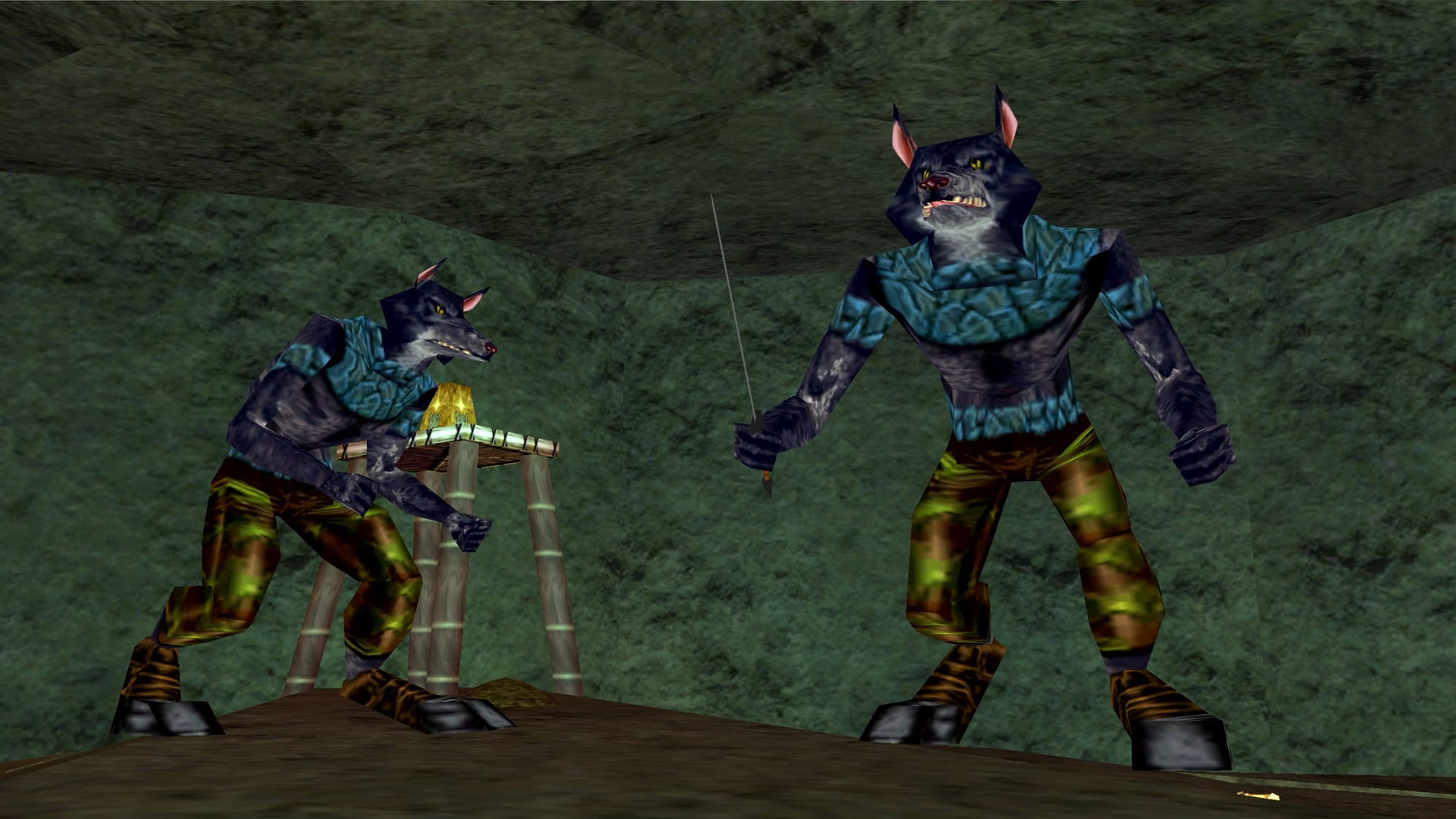
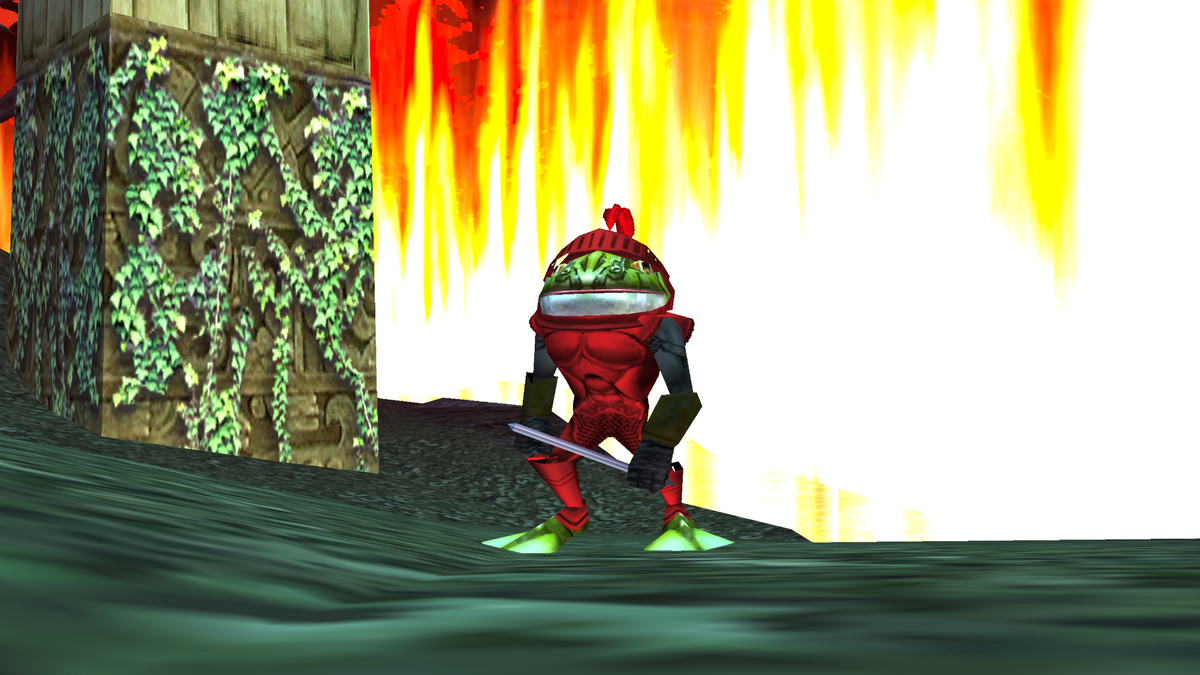
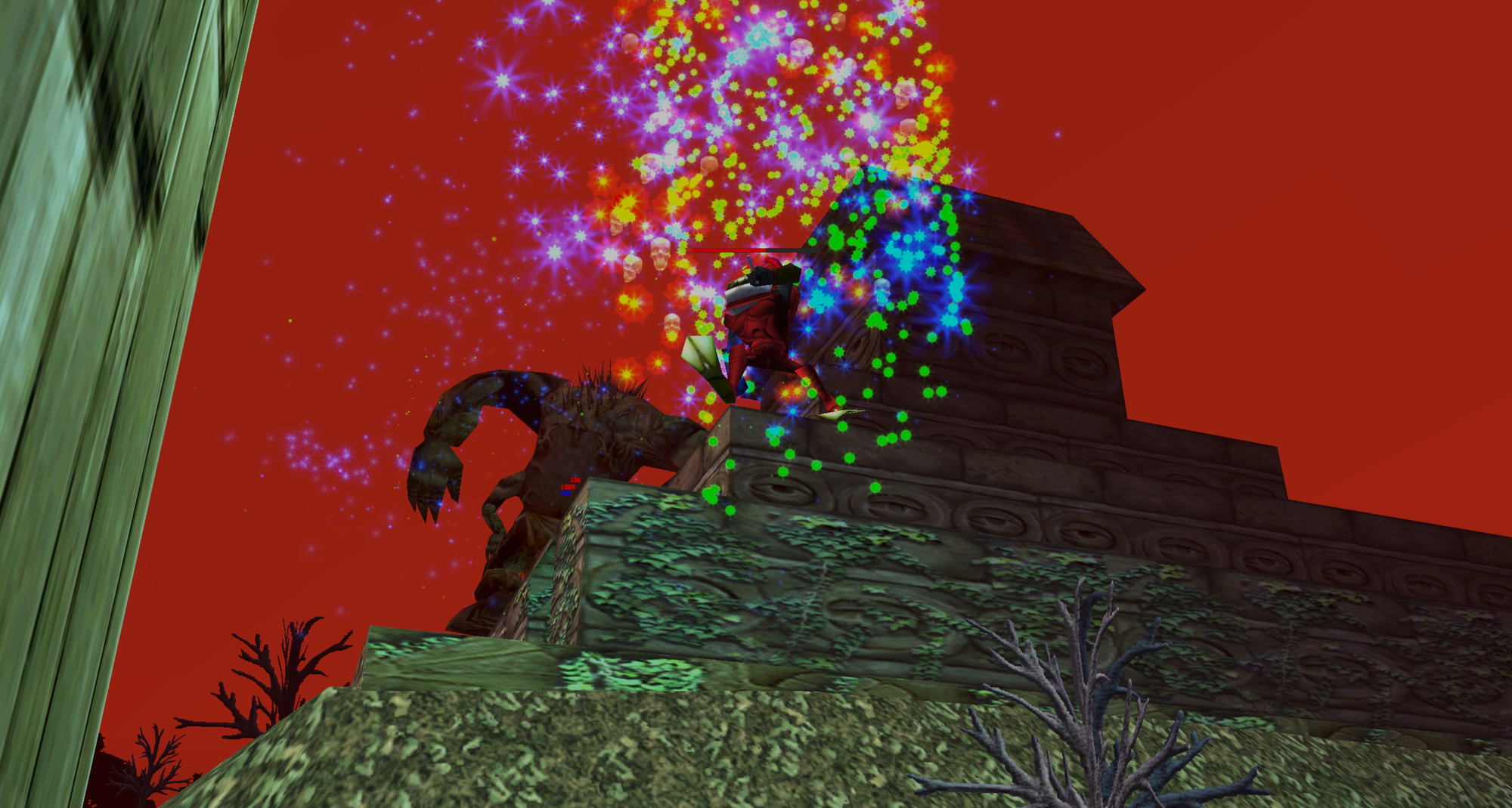
Any visual changes made in EverQuest Legends simply expand on elements already present in the game, such as adding new playable races. The team thankfully does have access to the source code of the originals, which is a godsend for modders used to working without it. Still, not everything has been perfectly preserved by Daybreak. Game Jawn developers presenting at Summer Game Fest recalled having to rebuild the city of Freeport and other areas from images, video, and memory because the original code and assets were missing. Youssefi also highlighted some of the other challenges that come with using older code:
“It's not easy to work with the art assets. In fact, I would say arguably, it's a lot more difficult for us. Recreating the Frogloks as a playable race, that’s a lot more difficult than it would be if we were working in Unreal or something like that, where we could presumably whip up some new character models using modern tooling. With these models, there's a lot of custom work that goes into it in terms of trying to translate them into the tools that are more modern that we can use, and then translating them back into what the game understands.”
While I didn’t play EverQuest at the time of release (I was born the year it came out), that added context makes the restoration work done by Game Jawn even more impressive. EverQuest Legends is definitely a great reminder of the aesthetic reasons people are drawn to older games. There’s a charm to their simplicity, to 3D visuals from an era when detail was limited. In an era emphasizing ray tracing and realistic graphics, simplicity is refreshing.
On the gameplay front, EverQuest Legends is much more content with embracing change and feeling a little more modern. EverQuest set the standards for modern MMOs in 1999 (World of Warcraft intentionally took a lot of inspiration from it), butLegends isn’t as concerned with replicating the 50-player raids or the exact feel of 1999 EverQuest. As mentioned, the initial goal of this game was to create an EverQuest that was more casual and solo-friendly.
To accomplish that, Game Jawn and Daybreak implemented features from more modern games, such as multiclassing. Cooldowns are also much less harsh now, melee stances and caster invocations give a single player more options in a fight, item-merging makes transmog more of a possibility, and pets will no longer completely lose you all of their equipped loot if they die in a fight. Instead of massive swathes of MMO players, Game Jawn and Daybreak ultimately settled on supporting four-person groups and eight-person raids.
I definitely understand the argument that those choices take away from the purity of 1999 EverQuest. EverQuest Legends can also feel modern in some not-so-great ways. Its in-game Cash Shop has drawn divisive opinions from the community, and it’s oddly not included in Daybreak’s All-Access subscription.
Ultimately, EverQuest Legends isn’t trying to be World of Warcraft Classic. It’s an entirely original thing. In fact, Youssefi tells me there was actually internal pushback at Daybreak on making EverQuest Legends such a throwback release. Yet, he believes “once we committed to that and we started to excavate and discover and implement all of these older spell effects and character models and imagery, the game just came to life.”
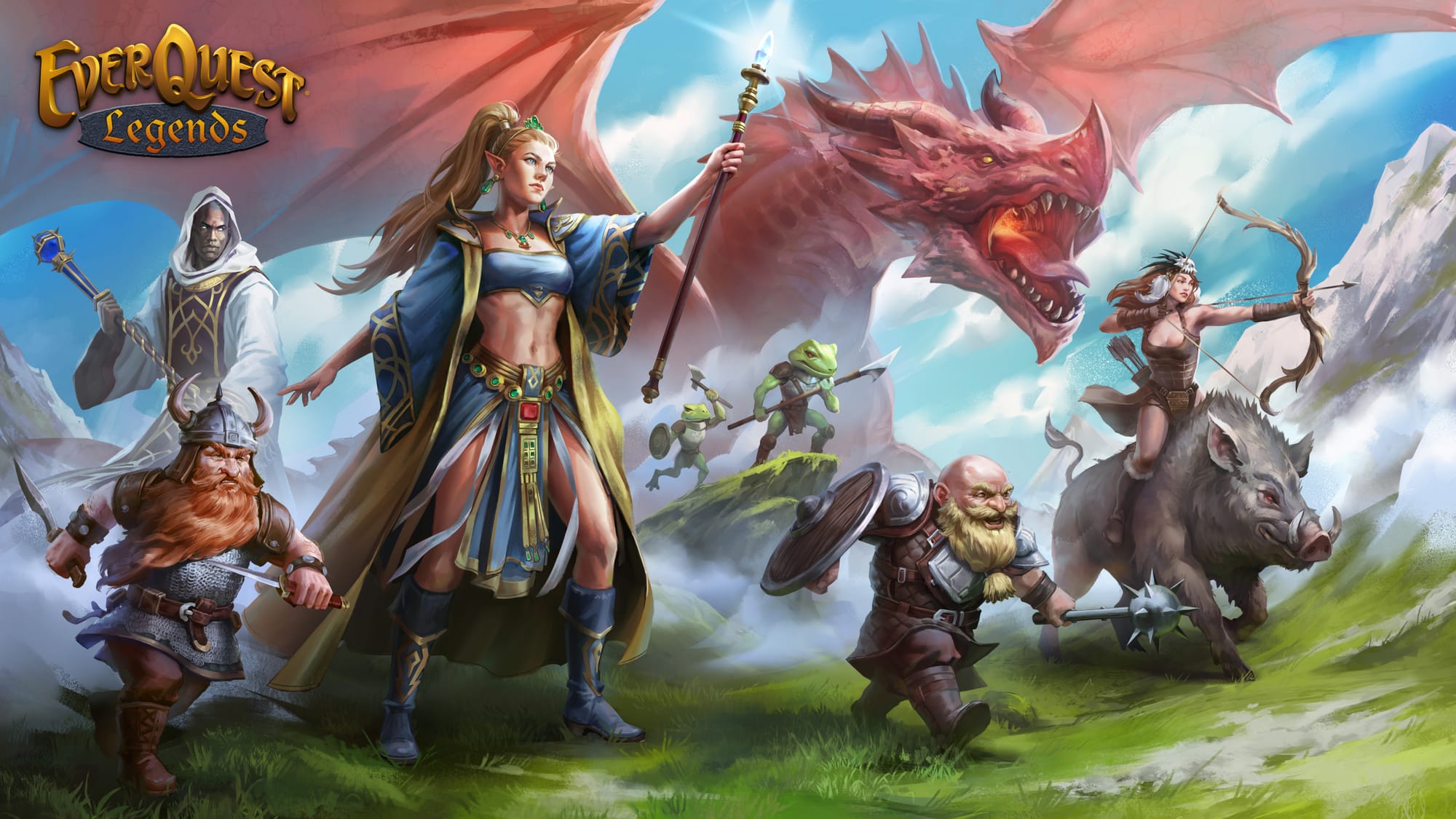
While I mostly chatted with Youssefi, I’d be remiss to not point out that EverQuest Legends is being made by a team of around 15 modders and longtime EverQuest fans. Members of this team at Summer Game Fest recalled to me eagerly picking up the game at launch, playing with their brother, and being exposed to the modding and emulation scene because of the game. Daybreak may have its own modernization goals for the project, but I’m glad these fans-turned-modders-turned-developers had the opportunity to make an official EverQuest game of their own.
Youssefi had kind words for the developers at Game Jawn, particularly about what drove them to create EverQuest Legends. “They know the lore of the game inside out. They know how to program and how to engineer and how to design a game,” he told me. “That experience, coupled with their passion for the game, and maybe just pure excitement to be able to work on an official EverQuest title, I think that's what drives them.”
We’ll see if the EverQuest community embraces this different take on a classic version of their favorite MMO, as EverQuest Legends launches on PC later today, July 28. The base game is $19.99, and it requires a $ 9.99-a-month standalone subscription after the first month.
What's Old Is News
Xbox backward compatibility on PC, Armadillo Racing, Fallout remasters, and more
- Xbox has announced Backward Compatibility on PC. It’s now possible to play Blinx: The Time Sweeper, Conker: Live and Reloaded, Crimson Skies: High Road to Revenge, and Fuzion Frenzy on PC, either through Game Pass or by buying them individually. These ports will have resolution upscaling, V-Sync support, and more of the customizable graphics settings you’d expect from a PC release. Microsoft plans to bring more Xbox Backward Compatible titles to PC in the future. These original Xbox games apparently run on an Xbox 360 emulator, so it's likely games for that console will come to PC through this program as well.
- Xbox is also bringing achievements to original Xbox titles on both PC and console later in 2026.
- In a one-year anniversary Q&A for Shadow Labyrinth, the dark Metroidvania reimagining of classic Bandai Namco IP, Creative Producer Toru Takahasi shared a very intriguing pitch for how he’d approach making a new Xevious game. I wanted to share that below, as it’s gone under the radar since the Q&A went live:
- “Recently, I saw a news report about how AI-driven research led to the discovery of many new Nazca Lines. This immediately brought to mind the Condor geoglyph in Xevious and the existence of the enemy AI, 'GAMP.' Thinking back, one of the reasons Xevious made such a massive impact was its ability to capture the absolute cutting edge of technology at that time. It combined stark, inorganic sci-fi visuals, a techno-inspired soundtrack, enemy behaviors that felt as if they possessed a will of their own, and a sci-fi mystery world-building that hinted at unknown ancient civilizations. These elements together gave players the sensation that they were touching a world they had never seen before. If I were to conceive a Xevious spin-off for the modern era, I wouldn't want to simply recreate nostalgic elements. I feel there is immense potential in linking the project to the theme of AI—the pinnacle of cutting-edge technology in our present day.”
- Splatoon Raiders, out now on Nintendo Switch 2, features retro-inspired minigames. In an Ask to Developer Q&A posted by Nintendo, we learned that these were created by Animal Crossing and Splatoon Producer Hisashi Nogami and some other new-to-Nintendo staff.
- “The minigames have a charming retro feel that contrasts well with exploring the Spirhalite Islands. They're a nice palate-cleanser between busy treasure hunts, so we hope you’ll give them a try as well,” Producer Seita Inoue says.
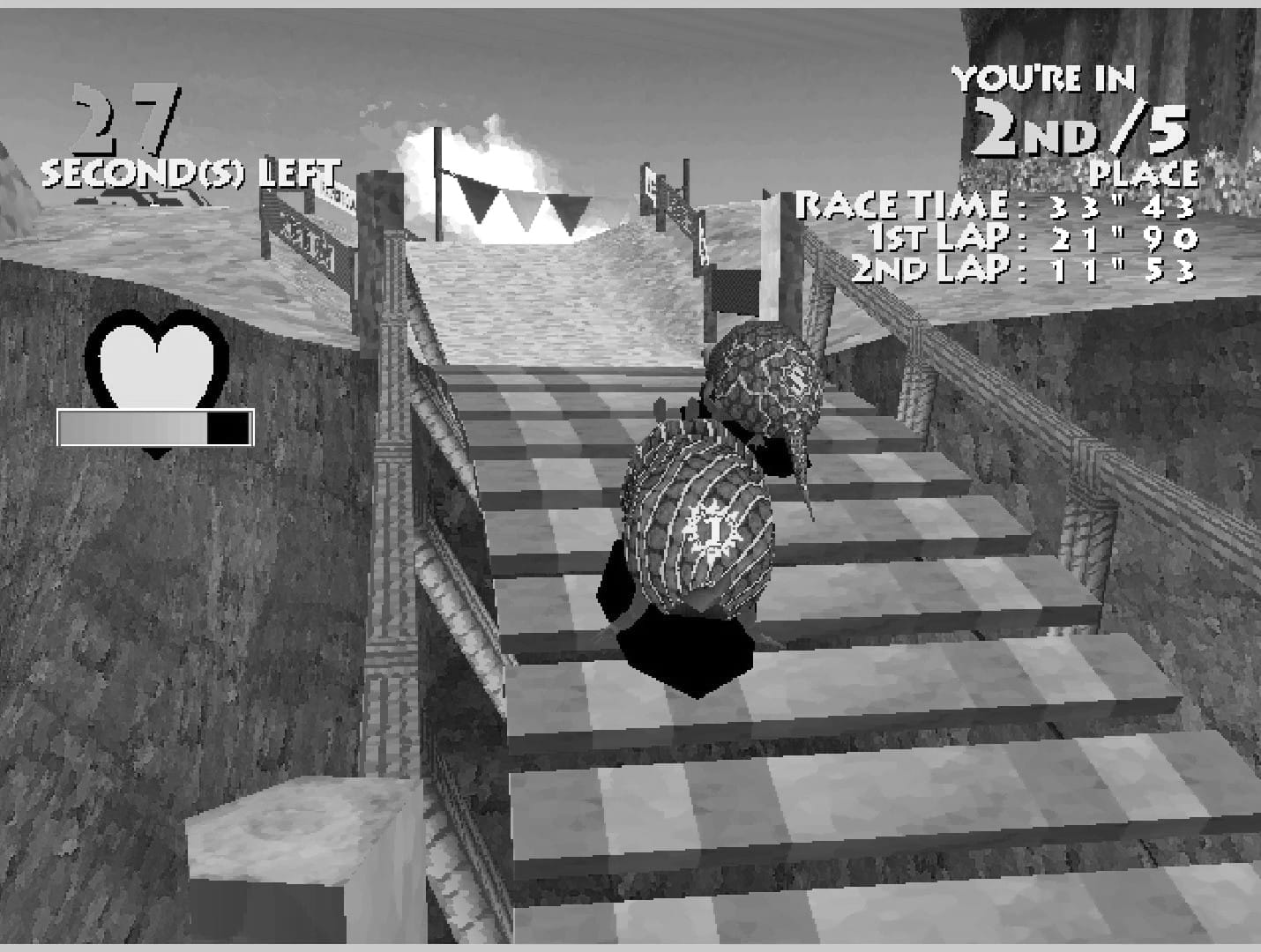
- Hamster Corporation released The Conveni for Console Archives and Namco’s hilarious Armadillo Racing for Arcade Archives.
- Ghost Recon: Wildlands Definitive Edition leaked, so Ubisoft promised to reveal what’s next for the series on August 6.
- Bethesda confirmed that new remasters of Fallout 3 and Fallout: New Vegas are in the works alongside Fallout 5, as well as a franchise-related project from Obsidian Entertainment. It would not comment on whether the games were Xbox-exclusive, though.
- The Video Game History Foundation released an archive of E3 ephemera (I guess that makes it E4).
- A documentary about the development of Pokémon Diamond and Pearl leaked, revealing several unused beta designs for the Pokémon in those games.
- Per Deadline, Atari and Entertainment 360 signed a deal with Universal Pictures that gives them permission to make movies based on Asteroids, Adventures, Berzerk, Breakout, Centipede, Crystal Castles, Millipede, Missile Command, Pong, and Yars’ Revenge. We’ll see if any of these come to fruition.
- Total Chaos, a horror game based on a Doom 2 mod, added a retro mode to make it look and feel more like the original mod.
- Cyan Worlds, the creators of Myst, shared footage of a new game set in the Myst universe that it could not find funding for.
- Kingdom Rush 6: Genesis got a Classic Mode based on the original Kingdom Rush.
As I keep playing Rhythm Heaven Groove, it’s really starting to become one of my favorite games of the year. I’ve also been playing another colorful and groovy title that’s a whole lot of fun:
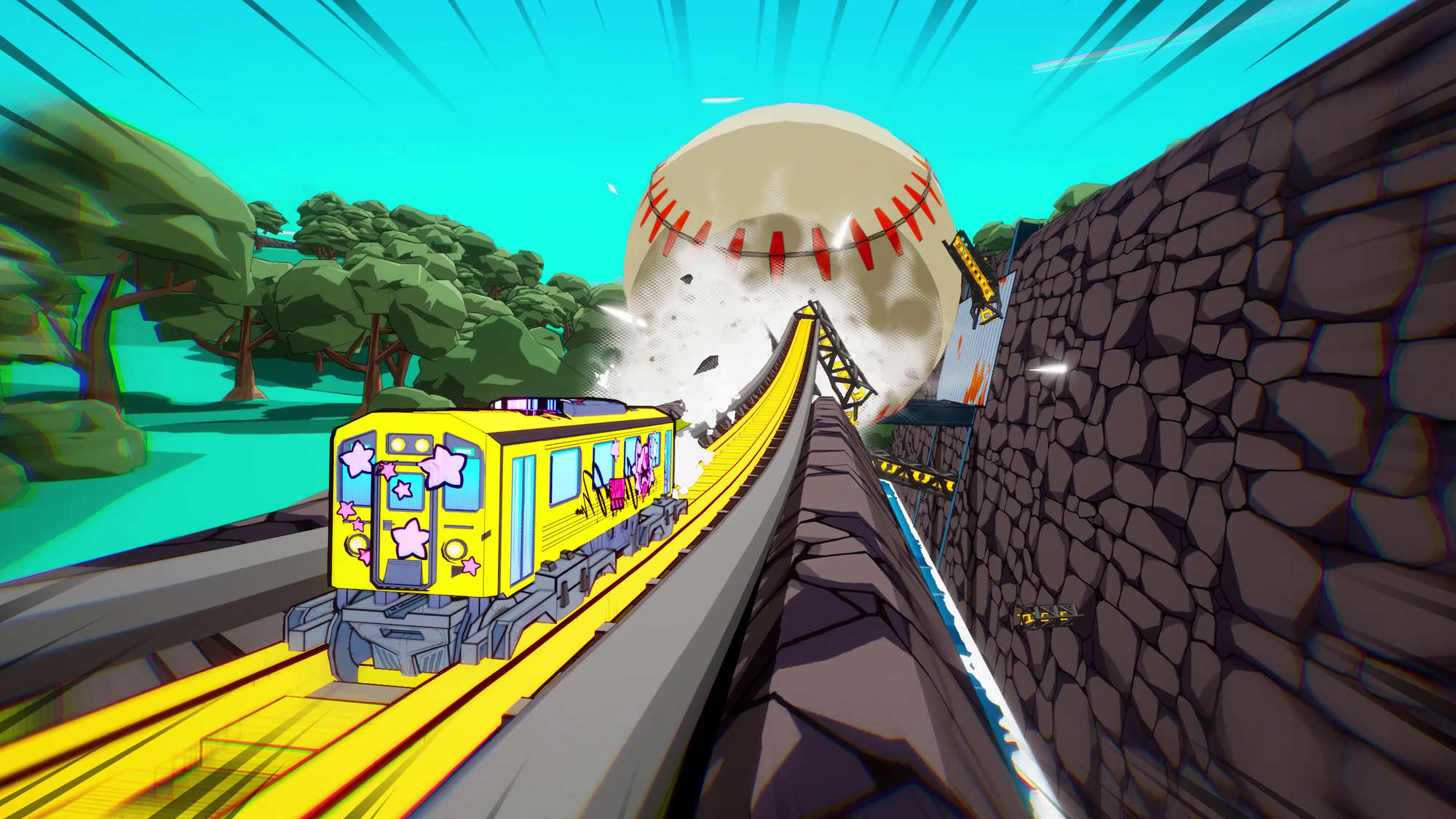
Denshattack: I love when a game has such an oddball concept that I’ve never experienced anything like it, and Denshattack is that kind of game. It takes the core design tenets of games like Tony Hawk’s Pro Skater, Jet Set Radio, OlliOlli World, and Sonic the Hedgehog and applies them to a game where you're doing tricks as a train in a colorful rendition of a dystopian Japan. Denshattack is ridiculous, but it’s also so earnest in its execution that I always wanted to play more and get better at the game. If you check this game out and play just a couple of levels, I think you’ll agree. Denshattack is available through Xbox Game Pass, but it’s also on PS5 and Nintendo Switch 2.
That’s all for this off-schedule Remastered. Expect the newsletter to go back to its typical Thursday release cadence starting next week. If you aren’t subscribed but enjoy what you read, consider subscribing for free; you can also leave a tip on my Ko-fi to support independent media.