Agent 64 Is GoldenEye For The Modern Eye
Agent 64: Spies Never Die developer Replicant D6 reveals how their great GoldenEye 007 spiritual successor came to be.

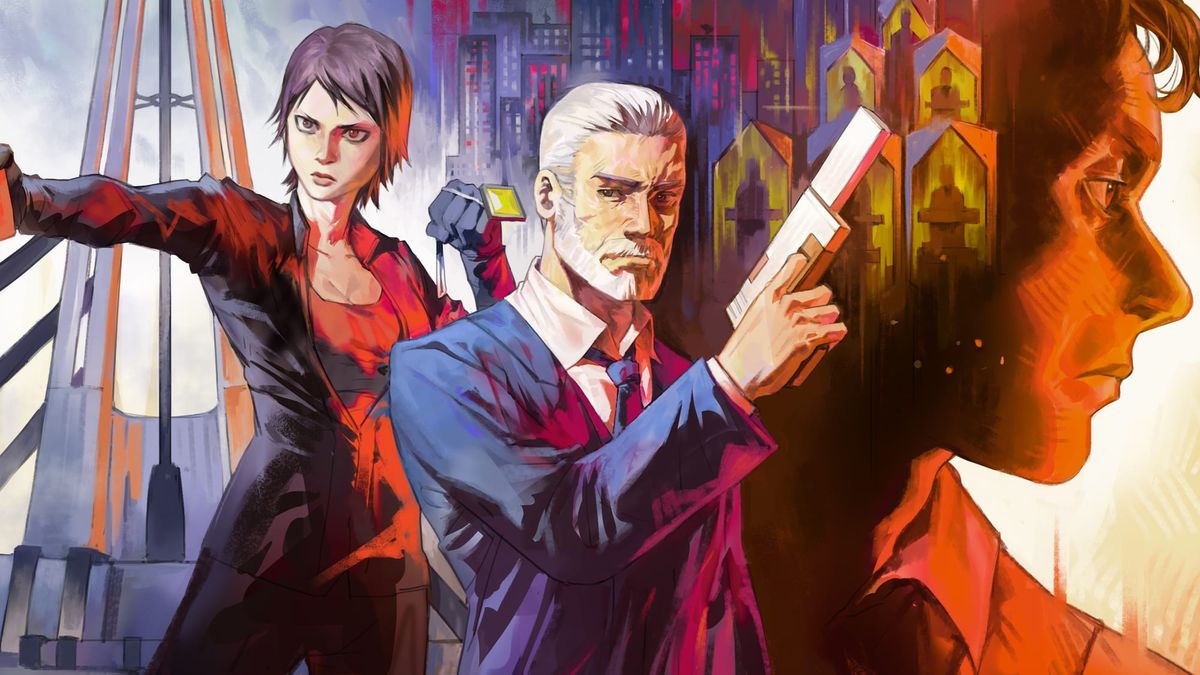
Welcome back to Remastered! For this week's newsletter, spiritual successors take center stage. I interviewed the developer of Agent 64: Spies Never Die, a first-person shooter based on Rare's Nintendo 64 classics. I also played Wild Blue Skies, a Star Fox spiritual successor that can't quite soar to the heights of its inspiration.
Please consider subscribing for free if you enjoy what you read this week. You can also support independent games media by supporting me on Ko-fi.
Replicant D6 Reveals How They Made A Great Spiritual Successor
Although we're in an age of gaming where remasters and remakes of classic games are readily available, spiritual successors are still important. While revisiting a classic through a re-release can help me better understand what a game brought to the table upon its release, playing a spiritual successor can truly demonstrate the impact those classics left behind on players.
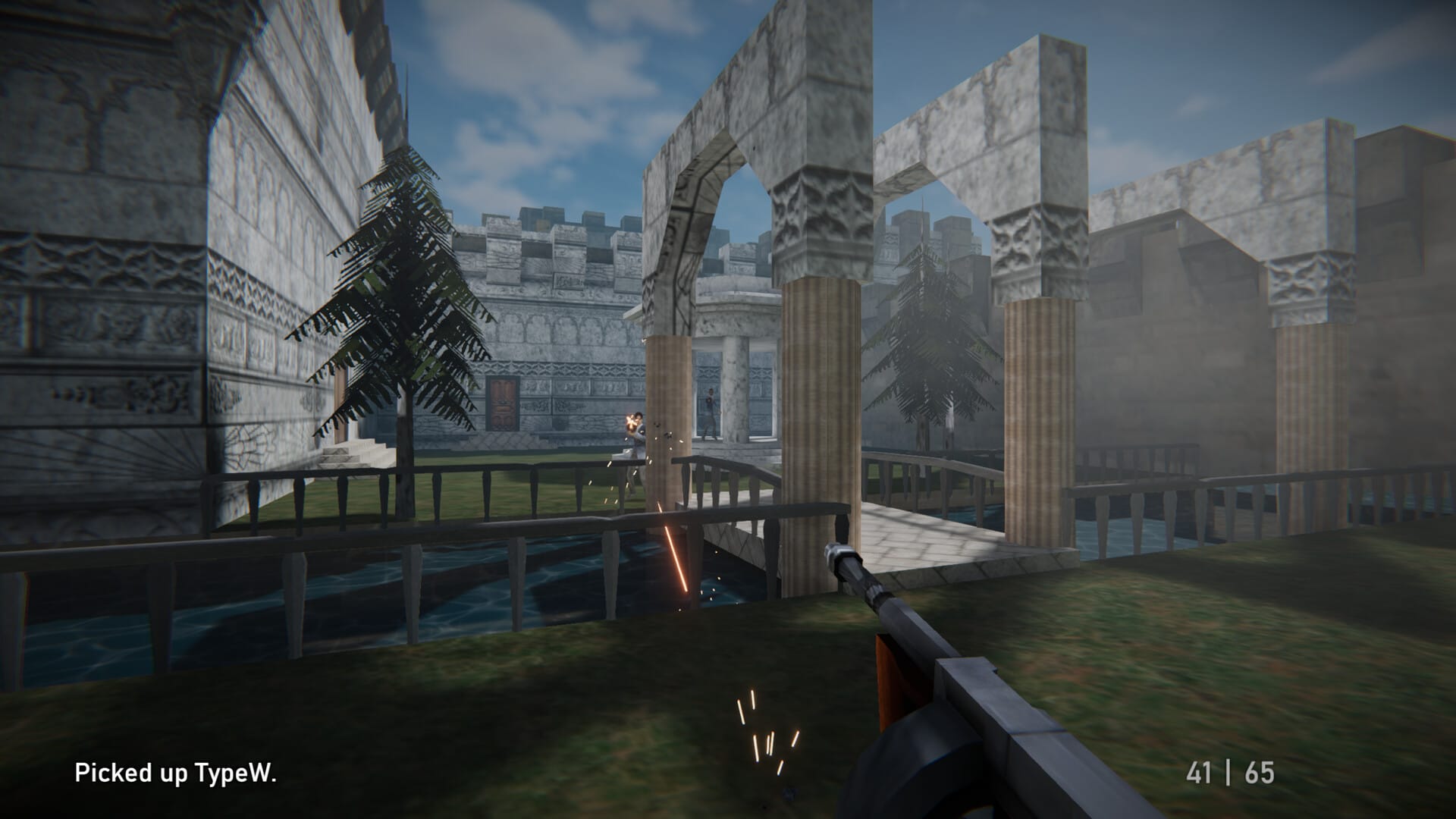
This was top-of-mind as I played through Agent 64: Spies Never Die, which launched on Steam earlier this week. From its globetrotting single-player campaign starring a legally distinct Bond knockoff to its simple but ridiculously fun multiplayer, Agent 64 respects the memory and influence of GoldenEye 007, Perfect Dark, and Timesplitters and replicates them masterfully.
To gain more insight into how this spiritual successor was made and why it feels so faithful to the games that inspired it, I interviewed Agent 64's solo developer Replicant D6 via email. You can read through that whole Q&A below to learn more about one of the summer's most charming retro-inspired indies.
Tell me more about your background with N64 shooters like GoldenEye and Perfect Dark.
Replicant D6: Well, as a 40-something myself, I had an N64 in my youth. And of course I got GoldenEye. This Rareware classic rocked my world. Martin Hollis and his team were absolute geniuses, and managed to make so many ground-breaking innovations in so little time, it’s unbelievable. I played all their games all the time. Perfect Dark is my favorite, but I played a lot of TimeSplitters 1, 2, and Future Perfect too.
We can still feel their influence, but sadly, since Free Radical Design stopped making new TimeSplitters, nobody really rose up to take on the mantle. It’s been over 20 years since Future Perfect, and I’m still surprised that I’m the one who had to do it, to make a new game in that unique genre.
What first inspired you to make a spiritual successor to those games?
Replicant D6: I was working on a completely different game project, an overambitious one with very complex mechanics and very intricate stories and cutscenes on top of it. The gameplay didn’t really come together, my first playtests were very bad.
But I noticed something: the way the enemies were behaving was somewhat reminiscent of another kind of game, and I figured I might as well pivot and embrace this instead.
What elements from the N64 classics did you know you wanted to retain no matter what? Which one was the hardest to replicate with modern technology?
Replicant D6: The enemy behavior was the key to all of this. Even if the animations aren’t identical, it needs to feel a certain way when they see you, shoot at you, or get hit themselves. Getting the character behavior optimized and reliable within those parameters was an interesting challenge. Same with arena bots, those were fun to program.
The second element was the player controls and the gun aiming. Most games nowadays just have a center crosshair, hitscan bullets, and no questions asked. Here it’s done in a more deliberate way. The weapon sway and auto aim has to feel smooth, and the bullet tracers must feel like they really pierce your target.
In what areas of the game did you change the most from those N64 classics? How did you make those things feel at home in a retro-styled game?
Replicant D6: Well, of course, the most obvious is the online mode. It’s quite difficult nowadays to regularly get four people in a room together. The convenience of online coop and arena is a must.
That sort of game is very rare nowadays, so I hope gamers can enjoy this unique take on FPS multiplayer.
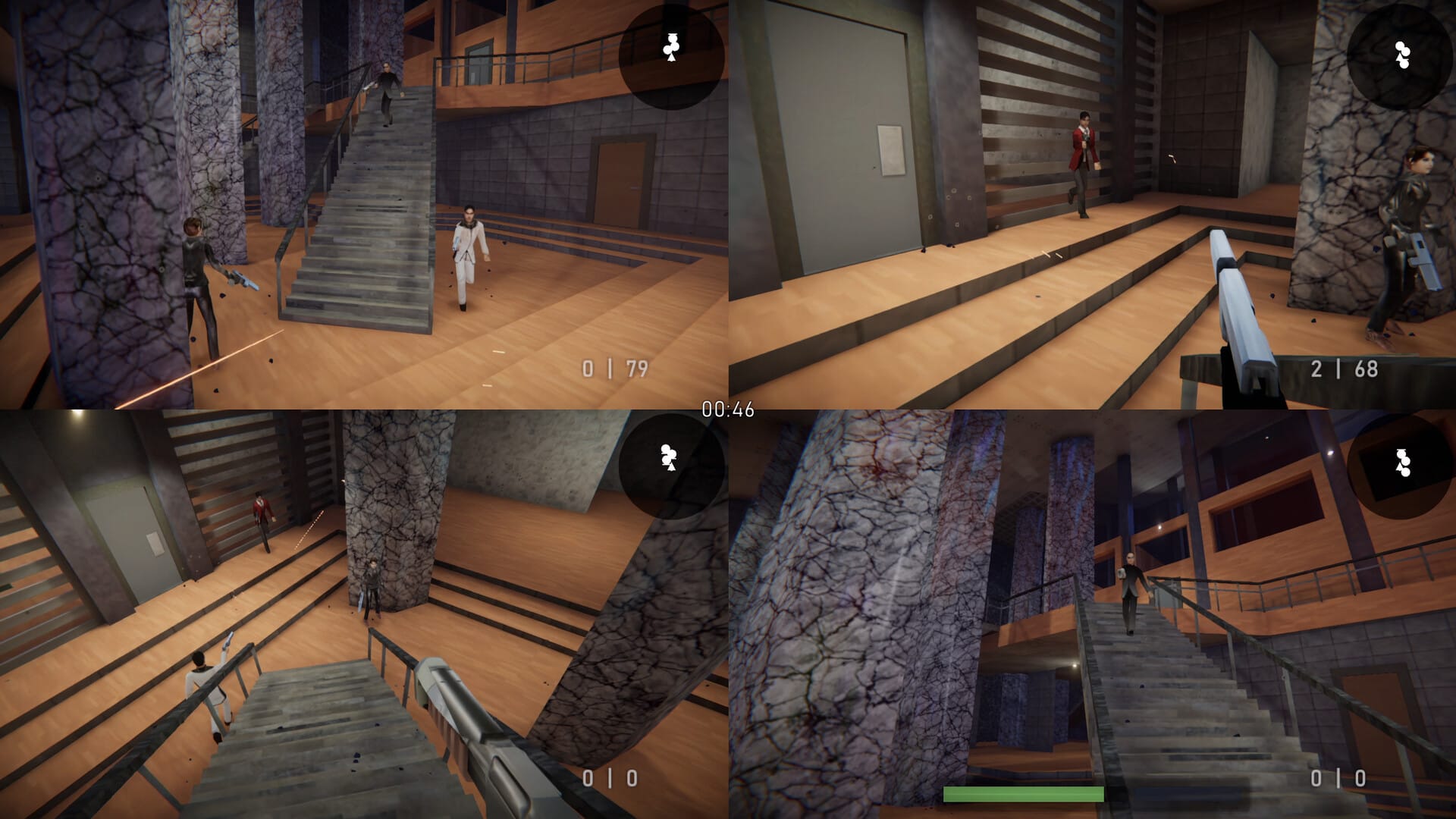
Through playing Agent 64 and interviewing its developer, I have gained a much deeper appreciation for Rare's trailblazing first-person shooters. This spiritual successor reminds us of the fundamentals of the genre that Rare helped establish. Sure, the aiming and enemy behavior are wonkier than what players will find in a modern shooter, but that's also part of the charm and makes each firefight feel free-flowing yet deliberate.
Somehow, playing a new game has given me a deeper appreciation for games that I had already played. That's the real magic of a great spiritual successor.
Replicant D6 was struggling with a game they were working on and turned to the classics that inspired them for direction. The result is a spiritual successor I can easily recommend to anyone interested in GoldenEye 007's peculiar era of retro shooters. The Spies Never Die part of this game's title has a deeper meaning, as it speaks to the fact that the impact of GoldenEye 007 and other games like it will never be forgotten.
Agent 64: Spies Never Die is now available on PC via Steam.
What's Old Is News
The Lord of the Rings: War in the North, Quake: Dawn of the Machine, and more
- Aspyr shadow-dropped The Lord of the Rings: War of the North - Legacy Edition on August 11, a remaster of a cult-classic licensed RPG from 2011. The press release about its launch teased that even more LOTR remasters are on the way.
- Deck13 and David Schütze teased that they will release the retro-inspired RPG Crystals Of Irm sometime this fall.
- An updated Panzer Dragoon Zwei: Remake demo was released on Steam by Forever Entertainment after its initial release got harsh feedback, Time Extension reports.
- Nightdive Studios’ 2021 remaster of Quake got a massive update and Dawn of the Machine campaign to celebrate the series’ 30th anniversary at QuakeCon.
- Epic Mickey: Rebrushed is coming to iOS and Android on September 16.
- Contractors working with Halo Studios were laid off following the launch of Halo: Campaign Evolved, according to GamesBeat.
- Remedy’s latest financial report for investors confirms that Max Payne 1&2 Remake is still in “full production”.
- Knytt Classic is a remake of a cult classic PC freeware game, and the developers of Chasm just released it for free on Steam.
- Gothic 1 Remake will get a photo mode, Marvin mode, and better tools in future updates, according to a developer update from the latest THQ Nordic showcase. Remasters of the original Gothic trilogy and Sacred 2 were also highlighted during that show, and Alkimia Interactive teased that it’ll reveal its next game in 2027.
- Bubsy 4D got an update that doubled the size of the solid but short 3D platformer.
- Vampire Survivors, PS2 game Onimusha: Dawn of Dreams, and PS1 game Disney’s Atlantis: The Lost Empire all come to PS4 and PS5 via PlayStation Plus Premium on August 18.
- Pokémon Bank announced an end-of-service date of February 25, 2027. After that day, it'll be impossible to bring Pokémon from GBA, Nintendo DS, and Nintendo 3DS Pokémon games to your Switch or Switch 2 save files.
Keeping with the theme of spiritual successors, I've been playing another one this past week.
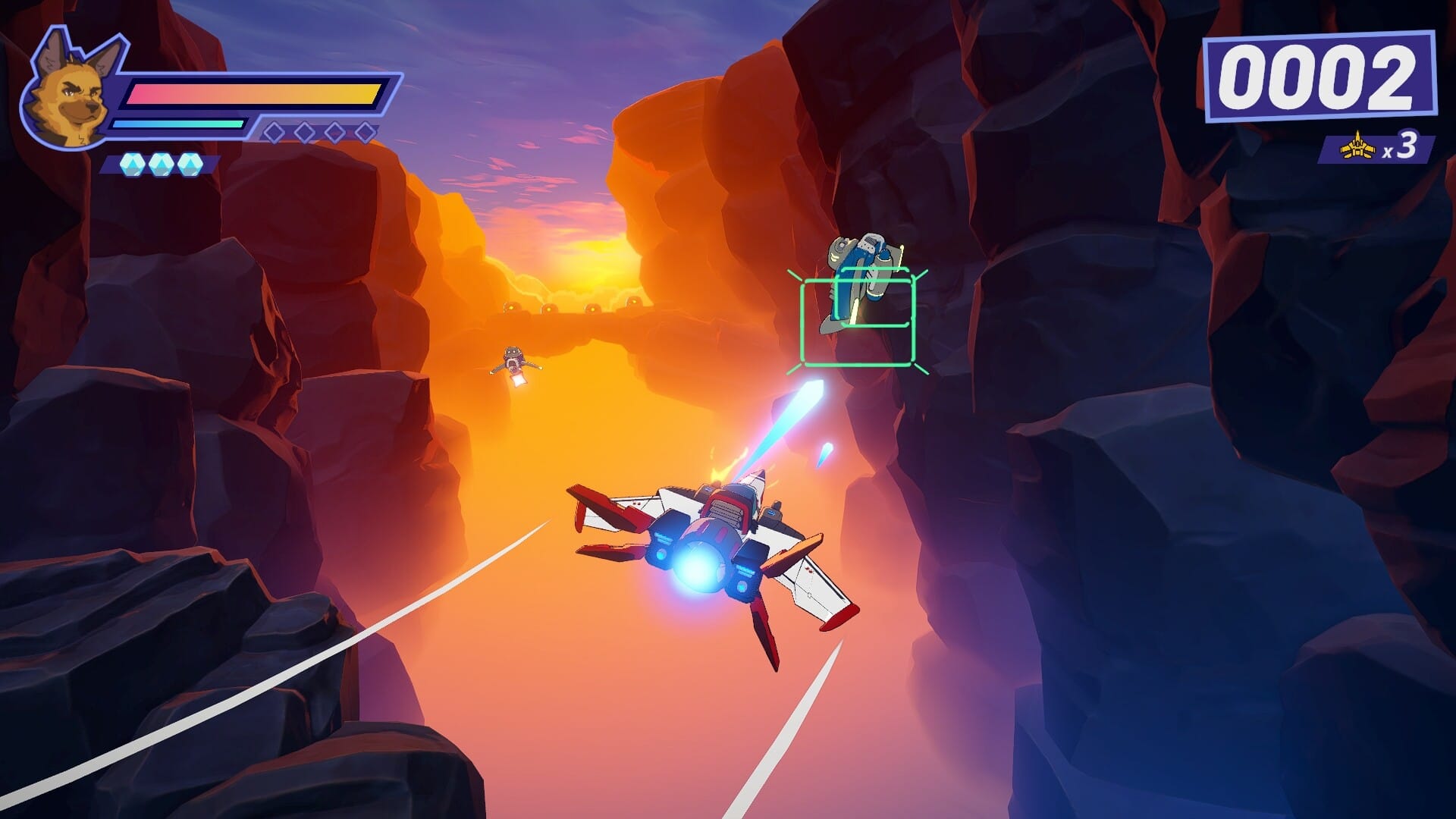
Wild Blue Skies: This is the latest game from Chuhai Labs, a Japanese indie studio founded by former Nintendo developer Giles Goddard. Considering Goddard helped create the original Star Fox for the SNES, I had high hopes for this one. Unfortunately, for everything Wild Blue Skies does great, there is a drawback.
Its anime-inspired visuals are slick, vibrant, and are what I want from the art style for this kind of game more than the realistic visuals of Star Fox's Nintendo Switch 2 remake. Unfortunately, the characters are pretty lifeless, and several stages struggled to run at a consistent frame rate on my PS5. In a precision-based shooter that rewards quick reaction times, that really ruins the experience.
Wild Blue Skies emulates the game feel of Star Fox well enough, but makes some baffling decisions like turning auto-fire off by default and separating the regular shooting and charge-shot buttons. Its free flight missions are more ambitious than Star Fox's, but enemies will clip through level geometry or attack you from behind without telegraphing it.
Many of its levels go as far as to be direct riffs on ones in Star Fox or Star Fox 64, so it was hard not to feel like I could be playing a much better, similar game whenever I booted up Wild Blue Skies. If you've wrung everything there is to offer out of Star Fox's Nintendo Switch 2 remake, I can recommend Wild Blue Skies. Otherwise, just go pick up the real deal instead.
That's all for Remastered this week. If you enjoyed what you read, please consider subscribing for free or supporting me on Ko-fi. Next week, you can look forward to some in-depth coverage of Theropods, an upcoming retro-inspired point-and-click adventure game.