The Rise And Fall Of Phil Spencer's Xbox

Hey everyone, welcome back to my Remastered newsletter! This week, I reflect on Phil Spencer’s Xbox tenure in the wake of his resignation. In honor of Pokémon Day tomorrow, I’m also going to share some kind words about my favorite game in that franchise! If you like what you read, consider supporting me on Ko-fi.
Phil Spencer Never Saved Xbox
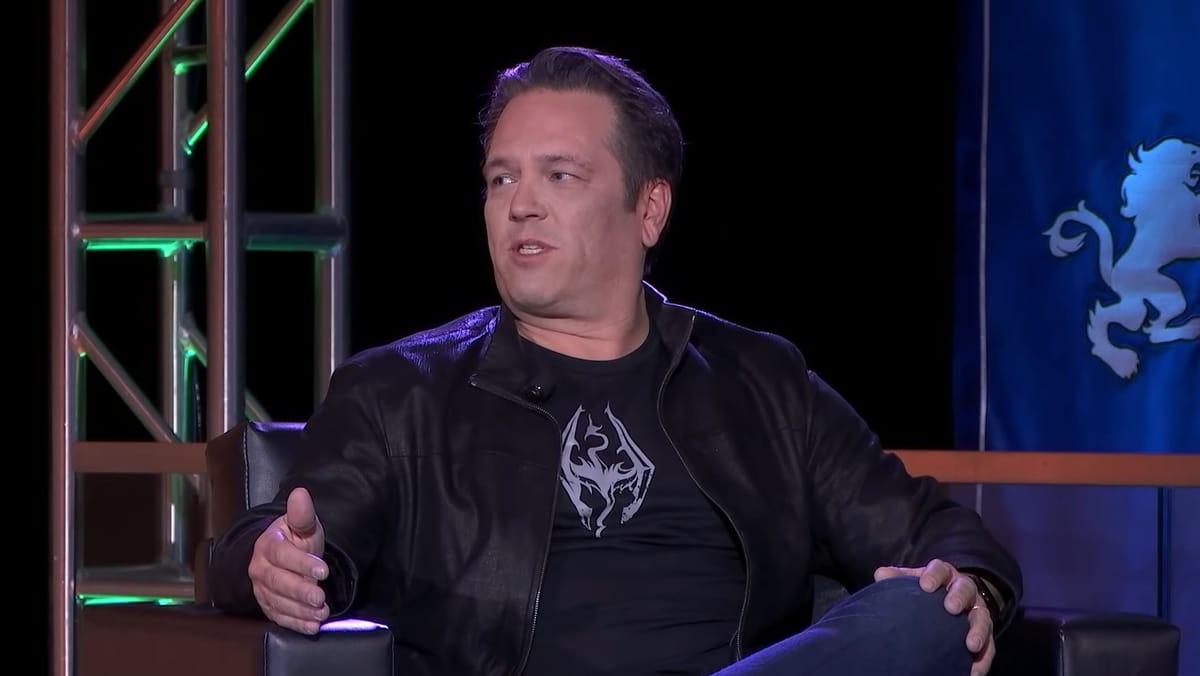
Microsoft stunned last week when it announced that Phil Spencer would step down as CEO of Microsoft Gaming and Sarah Bond would resign from her role as President of Xbox. It’s a massive shake-up for one of the video game industry’s platform holders, especially when you consider that the new CEO, Asha Sharma, was not on the Xbox team before and has never held a role in the video game industry.
When looking at history, it’s often clearest to divide eras by their most prominent leaders. There’s no doubt that Phil Spencer was a defining figurehead for the video game industry between 2014 and 2026, representing the video game industry at its most optimistic and pessimistic moments. This week, I want to take a look at how Phil Spencer's decisions while in charge of Xbox forever impacted the video game medium.
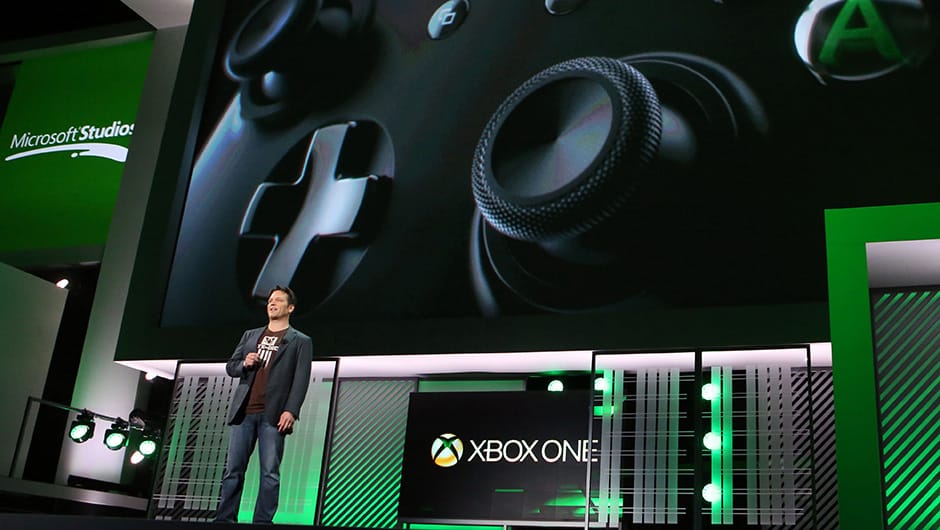
After the disastrous announcement and launch of the Xbox One, Phil Spencer was named Head of Xbox in 2014. That title would evolve into Executive Vice President of Gaming in 2017 and CEO of Microsoft Gaming in 2023. He had been a Microsoft lifer before that, starting as an intern in the late 1980s before becoming a key leader with Microsoft Studios during the Xbox 360 heyday.
He was charming during his E3 appearances and always made sure people knew his Gamertag and could see how much he loved playing games. Phil Spencer and Microsoft wanted gamers to feel like one of them was running Xbox, and Spencer’s reign was defined by pro-consumer messaging. While some practices, like adding backwards compatibility, backed that up, most actions did not.
In the 2010s, Spencer rode the wave of “cool” CEOs. I’d argue that the same online environment that glorified people like Elon Musk also played a part in making North American gaming business leaders like Phil Spencer and Reggie Fils-Aime so beloved. By 2026, the allure of, and benefit of the doubt towards, those with immense wealth and power has long since vanished. What went wrong for us to reach that point with Spencer?
I’d credit that to a decade of experimental decisions that did not ultimately pan out. When he first took charge in 2014, Spencer wrote in a message on Xbox Wire that “The growth of the Xbox community...is built on the foundation of exclusive franchises, new and original IP and the world’s most popular cross-platform games.” That message seemed to haunt him throughout his tenure, as inconsistent first-party output was a trademark of Xbox under his leadership.
The first couple of years of Spencer’s tenure felt like he was trying to course-correct from a rocky Xbox One launch and prepare the system for the future. Xbox determined that its internal studios were not enough and embarked on an acquisition spree. Buying studios that made successful games seemed like a no-brainer as the video game industry only continued to grow in the late 2010s.
I was there, in-person, when Phil Spencer announced the acquisition of several studios at E3 2018, and I remember being stunned that those studios were now all going to make games exclusively for Xbox. As naive as that may be, I saw a lot of potential in Xbox’s future. I was finally convinced to buy an Xbox One shortly thereafter, after years of putting it off.
However, that promising future never arrived. First-party game releases drastically slowed down during Phil’s reign. Of course, shifting development timelines contributed to this decline, and it is certainly valid to question how many delays Spencer inherited or personally managed. Still, I think it’s worth pointing out that the worst periods for first-party Xbox exclusives came during Phil Spencer’s tenure. Xbox Game Pass also immediately devalued the individual worth of each new first-party game upon release.
Xbox players bought into the promise of this new era at first, with great games like Forza Horizon 4 and studio acquisition announcements impressing under the presumption that they’d deliver on some long-term vision. I do believe the genuine hope within Microsoft was that these major investments would turn Xbox around, but over time, it became clear that would not be the case. Under Spencer, Xbox Game Studios never felt managed properly. It may not be solely his fault, but his name was at the top of Xbox’s organization chart.
Studios missed deadlines, creating a dearth in content multiple times during Phil’s tenure (2017 and 2022 stand out as particularly rough years). Plans for a dedicated Xbox streaming device and mobile store never materialized, stunting cloud gaming ambitions. There was no grand payoff of exclusives to kick off the new generation, but Microsoft continued to spend and spend and spend. By the time games started to more consistently roll out in 2023 and 2024, it was too late. Growth for the game industry had slowed, and Spencer had some massive bills to pay with Xbox.
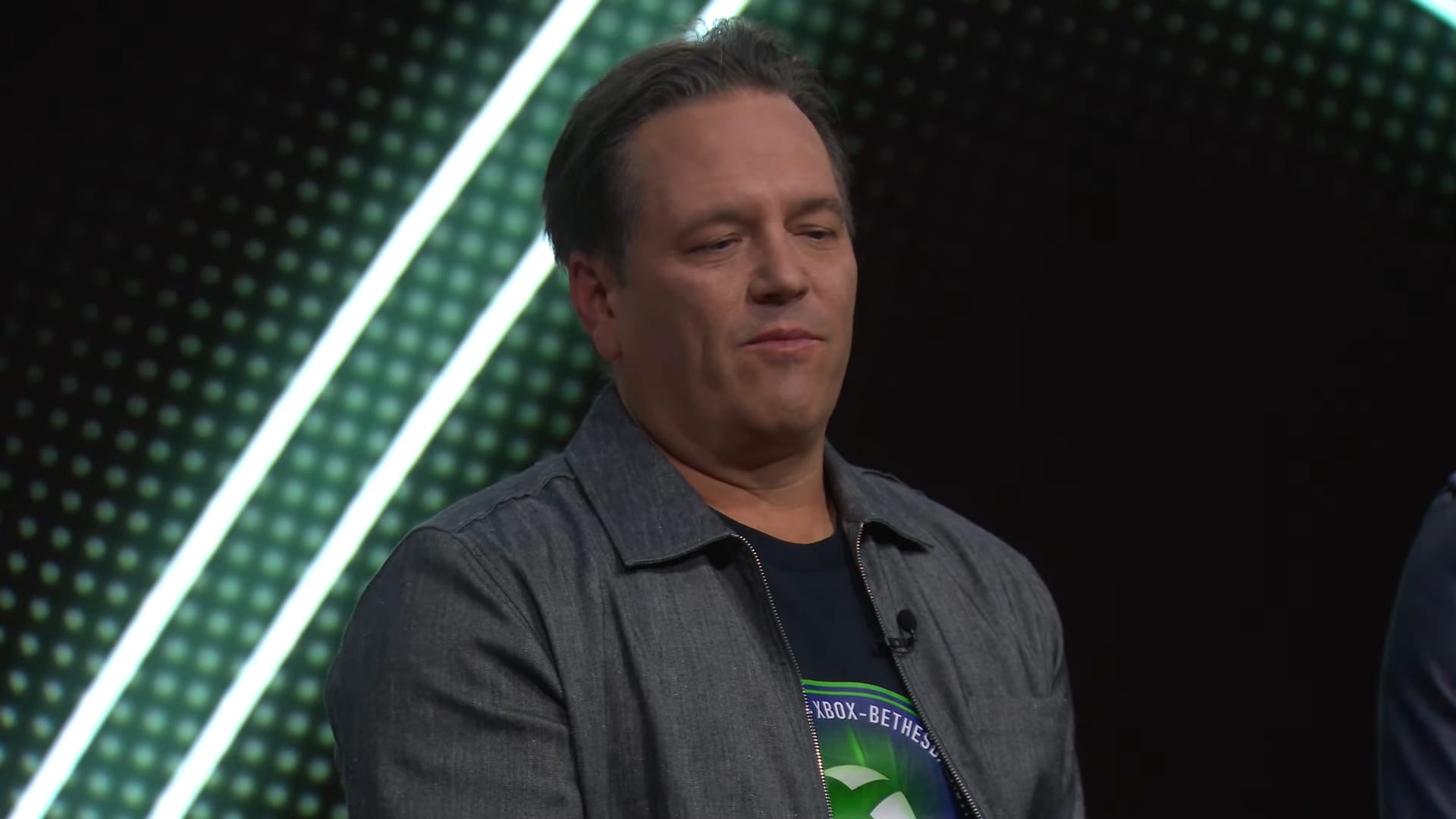
With the stakes higher than ever, Phil’s final years at Xbox dove into a tailspin as Microsoft games went multiplatform and studio closures and layoffs became more frequent. Phil Spencer went from looking calm, cool, and collected at E3 to looking distressed and tired in interviews. In a post-pandemic world, and with gaming no longer the instant growth-and-cash cow it once was, Xbox experienced the hardest hit to its bottom line of the big three. The cool-CEO guise had fallen away, revealing that all along, mismanagement permeated Xbox as they failed to deliver on promises again and again.
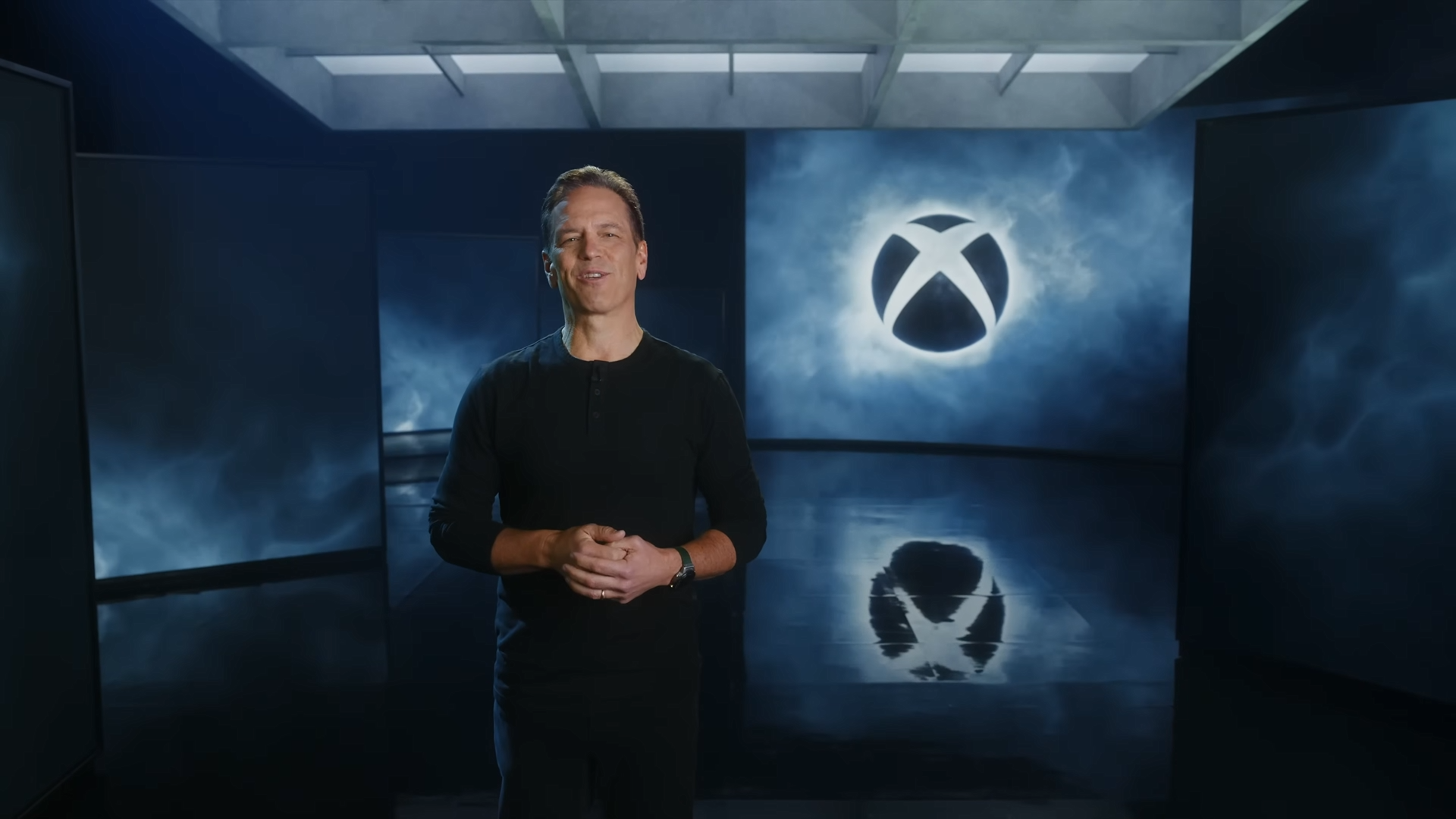
It’s undeniable that the decisions Phil Spencer made will leave a lasting impact on video game history. Phil Spencer was the face of Xbox for over a decade. He commanded Xbox as it led the charge in corporate consolidation within the video game industry, and disrupted gaming distribution with Xbox Game Pass. But now, I shed no tears for his resignation, and I believe Phil Spencer will ultimately be remembered more for his failures than his occasional successes.
He’s a remnant of an era when players, developers, publishers, and investors had blind optimism about the video game industry’s future, and the companies that held it in their hands. The end of Phil Spencer’s tenure makes it very clear we are no longer in that era of gaming. A gamer with good vibes on stage just isn’t enough anymore; perhaps it never was. Being successful in the video game industry requires much more than leaving a good impression, and Phil Spencer’s tenure at the top of Xbox gives us one of the clearest examples of that.
What's Old Is News
Bluepoint's Shutdown, Steam Next Fest, and Rayman
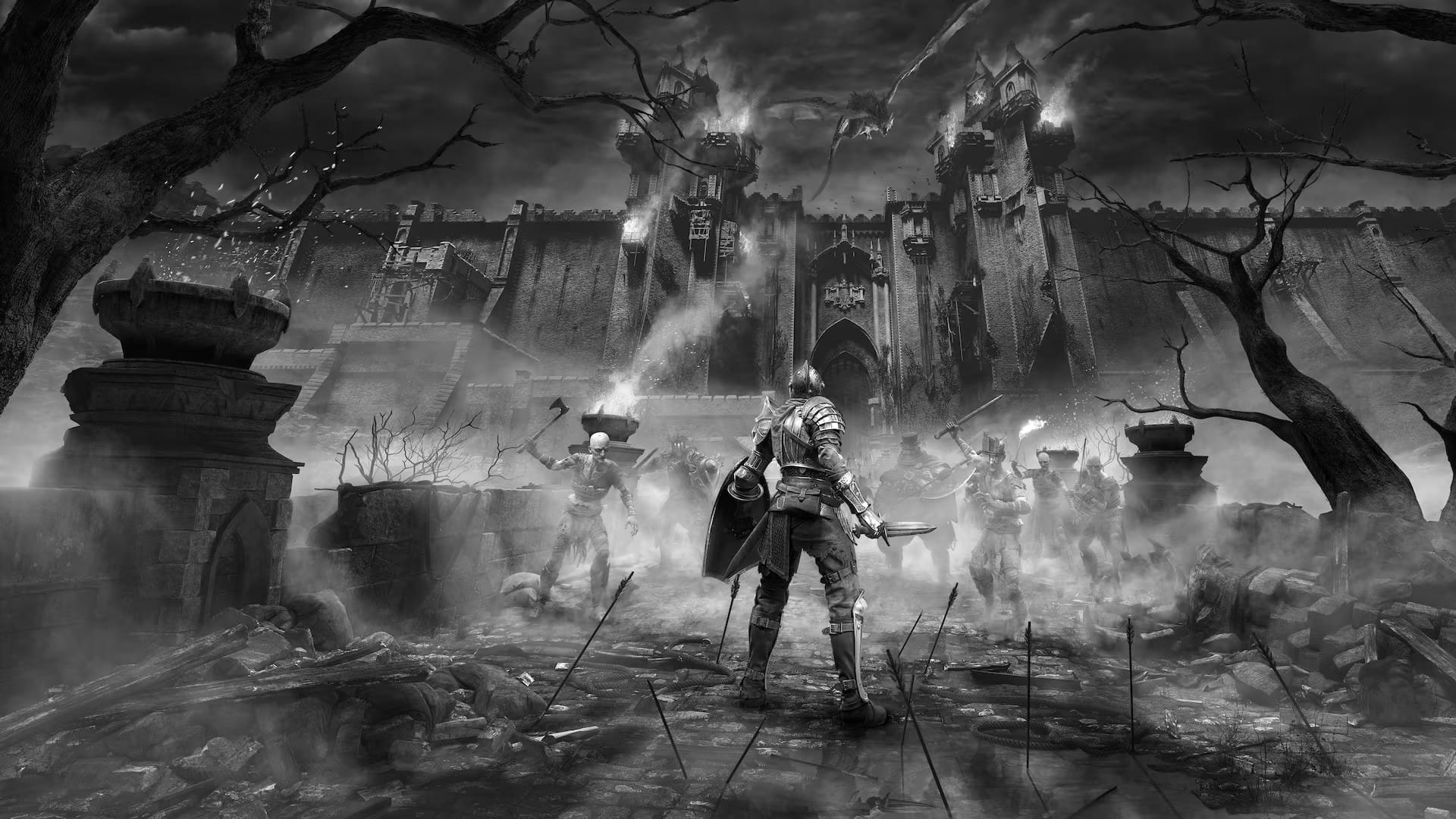
- PlayStation shut down Bluepoint Games, the studio best known for Shadow of the Colossus and Demon’s Souls’ remakes. For GameSpot, I wrote about how its closure is emblematic of the biggest problems PlayStation has faced this console generation.
- Steam Next Fest is currently going on, and a ton of retro-inspired games have demos available to play. I haven’t had the time to check any out, but Titanium Court is getting a lot of buzz from the press.
- The PC version of the original Final Fantasy VII received a significant update, bringing it closer to the console versions of the RPG classic. Fans aren’t liking the port, though.
- The Simpsons: Hit & Run developer Radical Games got revived, at least in name, by one of its original founders.
- To celebrate the series’ 30th anniversary, The Pokémon Company released custom logos for every Pokémon and confirmed that Pokémon FireRed and LeafGreen will be released for Nintendo Switch tomorrow at a price of $20. A Pokémon Presents presentation tomorrow is expected to reveal the next generation of games.
- The Splinter Cell remake is still in development after layoffs at Ubisoft Toronto.
- Limited Run Games announced Marvel MaXimum Collection, a retro collection featuring X-Men, Arcade’s Revenge, Captain America and The Avengers, Maximum Carnage, Separation Anxiety, and Silver Surfer.
These are the games that captured my attention over the past week:
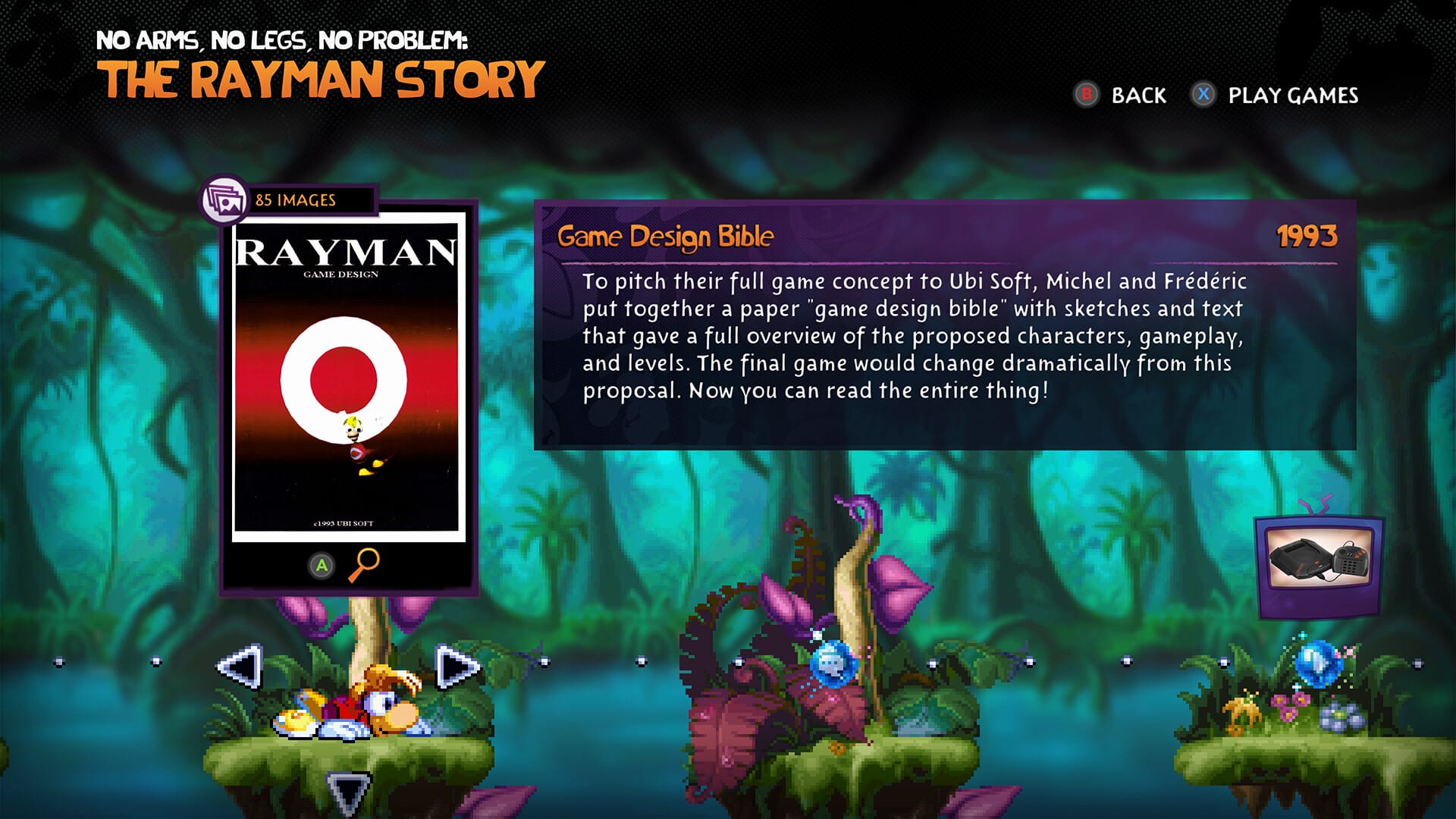
- Rayman: 30th Anniversary Edition: The latest Digital Eclipse game collection shares many of its strengths with the studio's previous games. It’s neat to play unreleased prototypes and versions of the original Rayman that I never experienced before. It’s a little underwhelming compared to the fan-made Rayman Redemption and some of Digital Eclipse’s other, more intensive, museum-like remasters, though.
- Yoshi’s Island: A little bit random, but I decided to give this SNES classic another shot this weekend, as I hadn’t played it in a long time. I was a bit surprised at just how well its visuals and gameplay still hold up. Yoshi and the Mysterious Book will be a treat if it’s half as good as this game.
- Relooted and DropShot: These are two new indie games from African American developers released onto Xbox Game Pass during Black History Month. I’ve only played a little bit of both, but I’m liking them. Relooted’s premise of retrieving stolen artefacts from museums is genius and pairs well with its fluid platforming. DropShot provides some simple yet exhilarating skydiving fun. I’m looking forward to playing more of both.
The Games We Played
Pokémon Sapphire
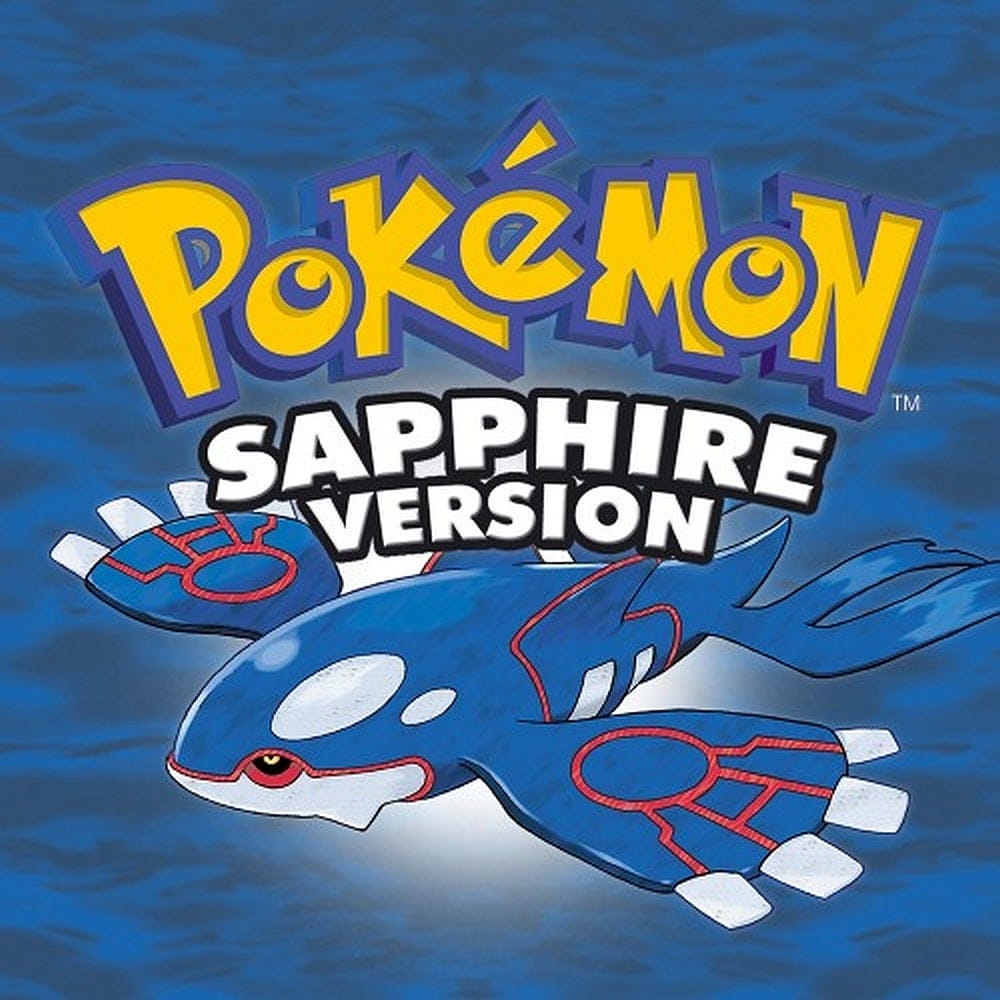
It’s Pokémon Day tomorrow, so I’d be remiss to not talk about what this series means to me. Simply put, I would not be playing games today if it weren’t for Pokémon. While it wasn’t the first game I ever played, Pokémon Sapphire is the first one I ever spent any sort of significant time with. I’d never played anything like it before when my brother and I discovered it through one of our friends, and it was an absolutely magical game as a child.
The third generation of Pokémon strikes a near-perfect balance between aesthetics, gameplay, and game flow that few other entries in the franchise do. Hoenn is a tropical paradise I wish I could live in. I could listen to nothing else but this game’s soundtrack for the rest of my life and be content. The roster of available Pokémon feels vast but manageable, and it leaves ample space for diverse team-building on each playthrough. Many of my favorite Pokémon come from this generation, like Mudkip, Lotad, and Jirachi.
The gyms feel perfectly spaced out, and battles move at a brisk but methodical pace. It’s one of the few Pokémon games I don’t feel the need to speed up if emulating it. It may be pretty typical for everyone’s first Pokémon game to be their favorite, but I’m still grateful that my first was Pokémon Sapphire.
Thanks for reading Remastered this week! Consider subscribing for free or supporting me on Ko-fi if you liked what you read. See you next week!