Starship Troopers: Ultimate Bug War Recognizes The Impact Of Video Game Militainment

Welcome back to Remastered! This week, I'm writing about a brand new Starship Troopers video game that's one of my favorites of the year so far. Enjoy, subscribe for free if you haven't already, and consider supporting me on Ko-fi if you like what you read.
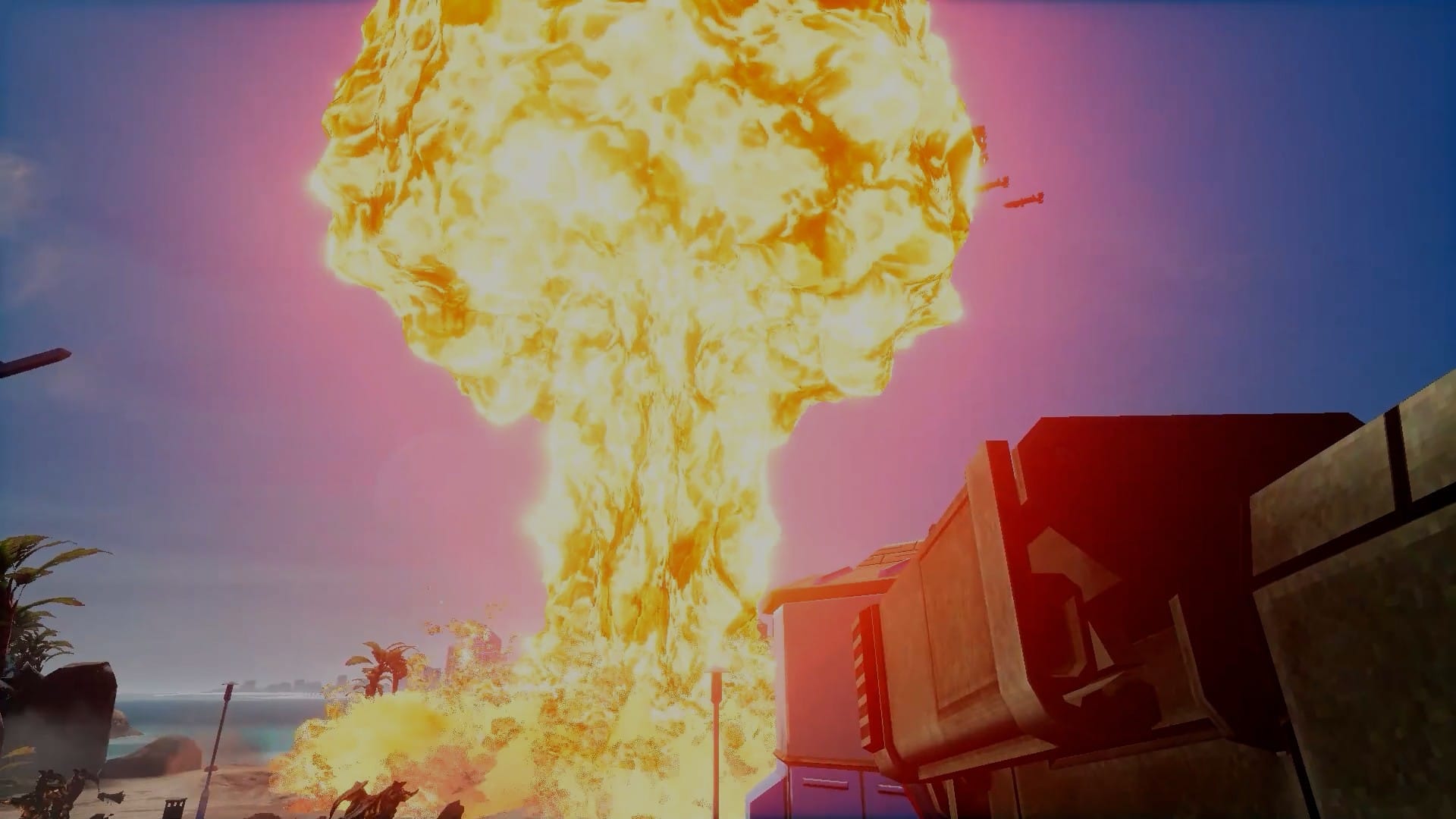
Would You Like To Know More About Ultimate Bug War?
As the United States government forces the country into a war with Iran and uses video game imagery to try to rally support online, there has been no better time in recent memory for a Starship Troopers game to launch and critique how military propaganda and gaming can nefariously mix.
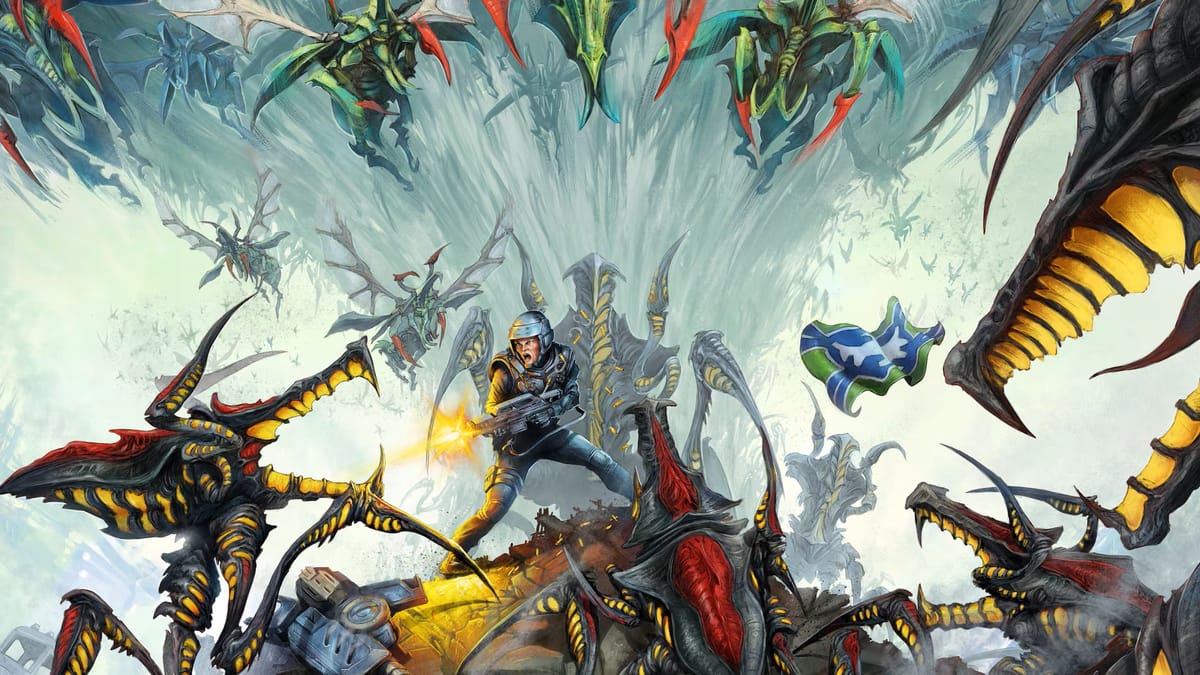
Starship Troopers: Ultimate Bug War is the best piece of Starship Troopers media since the original film. It understands the conservative undertones that come with retro, nostalgic aesthetics and pro-war military shooters, and it leans into them to create a satirical adventure that feels extraordinarily relevant in 2026.
We're inching towards the fascist hellscape depicted in that first Starship Troopers film, and Ultimate Bug War feels like the first game to truly grapple with how video games will be doing their part to uphold that status quo. It does so by leaning into the tropes common of the propagandized military shooters of the 2000s, while tapping into the underlying conservatism in some corners of retro gaming.
My generation of gamers was trained on military shooters. While series like Halo and Gears of War were sci-fi, Call of Duty, Battlefield, and Medal of Honor touted their realism. Games like the first Modern Warfare did have anti-war messaging, but as a whole, these games touted a pro-American military invention mentality that was more commonplace in the immediate wake of the September 11 attacks.
Sometimes, the video games' connection to the military-industrial complex became more explicit. America's Army was a series of video games used as a recruitment tool for the U.S. Army in the 2000s. Even Blackwater released a Kinect video game of its own in 2011. This excerpt about America's Army from Games of Empire: Global Capitalism and Video Games still sticks with me today:
"It is a major recruitment site for the U.S. Army, one that reportedly has a higher success rate in attracting enlistments than any other method. The battle you experienced as a cathartic bloodbath, a bit of fun, is for the world’s undisputed armed superpower a serious public-relations device targeted at a generation of game players and intended to solve the crisis of a military struggling to meet its intake targets for the fatal front lines of the war on terror."
I grew up with gamers who had an increased interest in joining the military as kids because they played games like Call of Duty. Some of them even joined. While I'm not critiquing their individual choice to serve in the United States military, that perspective reminds me that "militainment," as Games of Empire calls it, does have a palpable real-world impact. And now, it feels like we're back in 2001 again as we go to war with Iran.
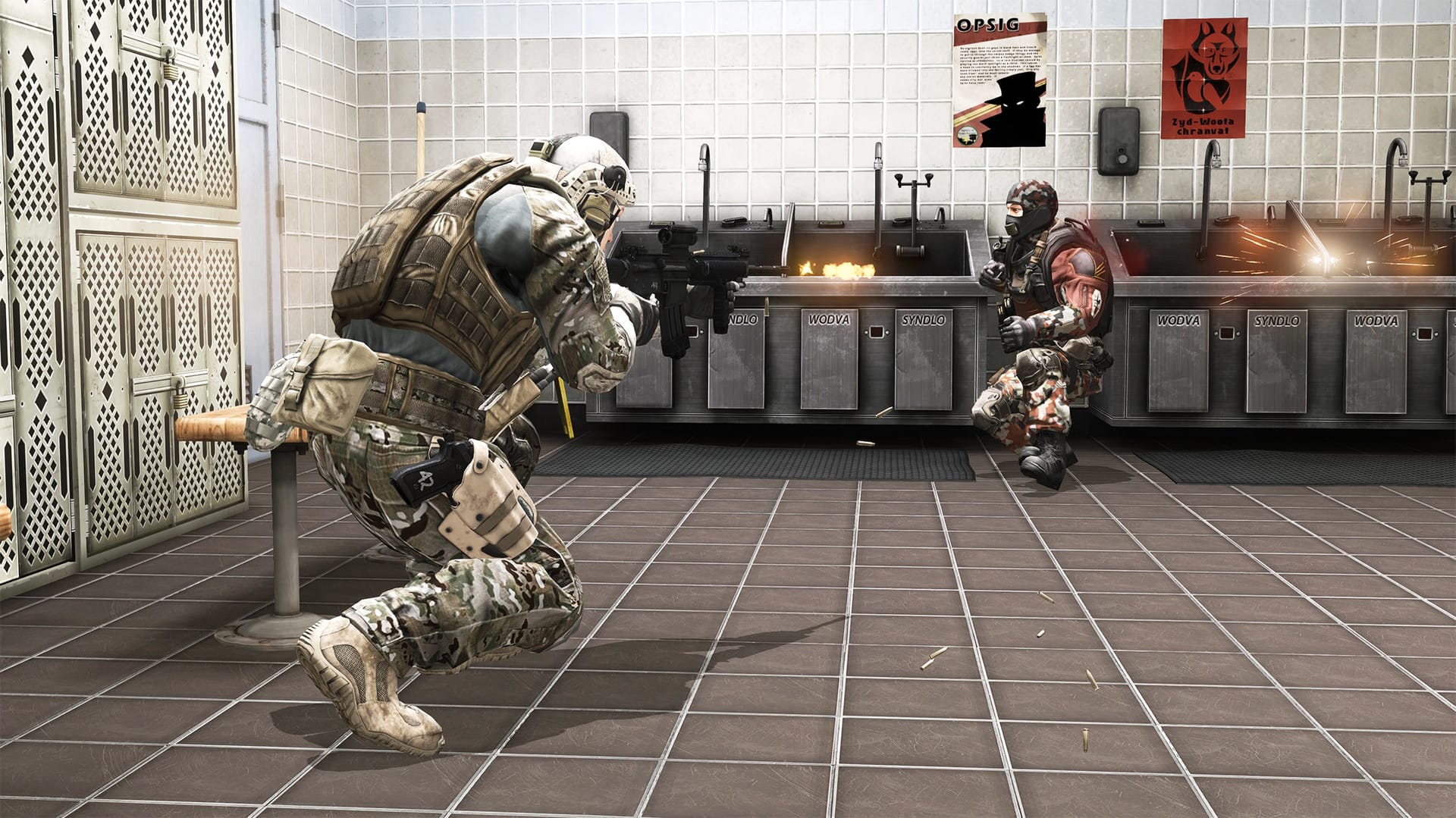
Although Starship Troopers: Ultimate Bug War is a more comedic adventure, with live-action cutscenes written by the hilarious Brian David Gilbert, Auroch Digital understood the implications of early 2000s militainment, and why a retro shooter inspired by that era for Starship Troopers would be such a good fit.
Ultimate Bug War positions itself as an in-universe video game developed by “FedDev” as a recruitment tool. Casper Van Dien returns as Johnny Rico. However, the main story follows the actions of a new character, Major Samantha Detz, played by Immortality's Charlotta Mohlin. After losing her squadmate Ethan to a new "Assassin Bug" on Klendathu, the game follows her quest for revenge as she shoots her way through hordes and hordes of bugs on various planets to track it down.
Like the original Starship Troopers film, the game mostly plays this narrative straight. Cracks in the facade of this government-made propaganda start to show when you notice that most missions end in failure as Detz retreats, and the level you just played is overrun by bugs or completely destroyed. While I can feel cynical while playing something like Call of Duty: Black Ops 7, getting that feeling is more of an intentional part of the experience with Ultimate Bug War.
More importantly, the inspiration from early 2000s militainment also applies to the game’s aesthetics and mission design. Starship Troopers: Ultimate Bug War is not quite a boomer shooter like its developer’s excellent predecessor, Warhammer 40,000: Boltgun. Instead, its larger levels and objectives, such as holding down a certain point in the map or destroying anti-air Plasma Bugs, feel ripped out of a Battlefield game. Those games glorified war, so an in-universe Starship Troopers military shooter would do so, too.
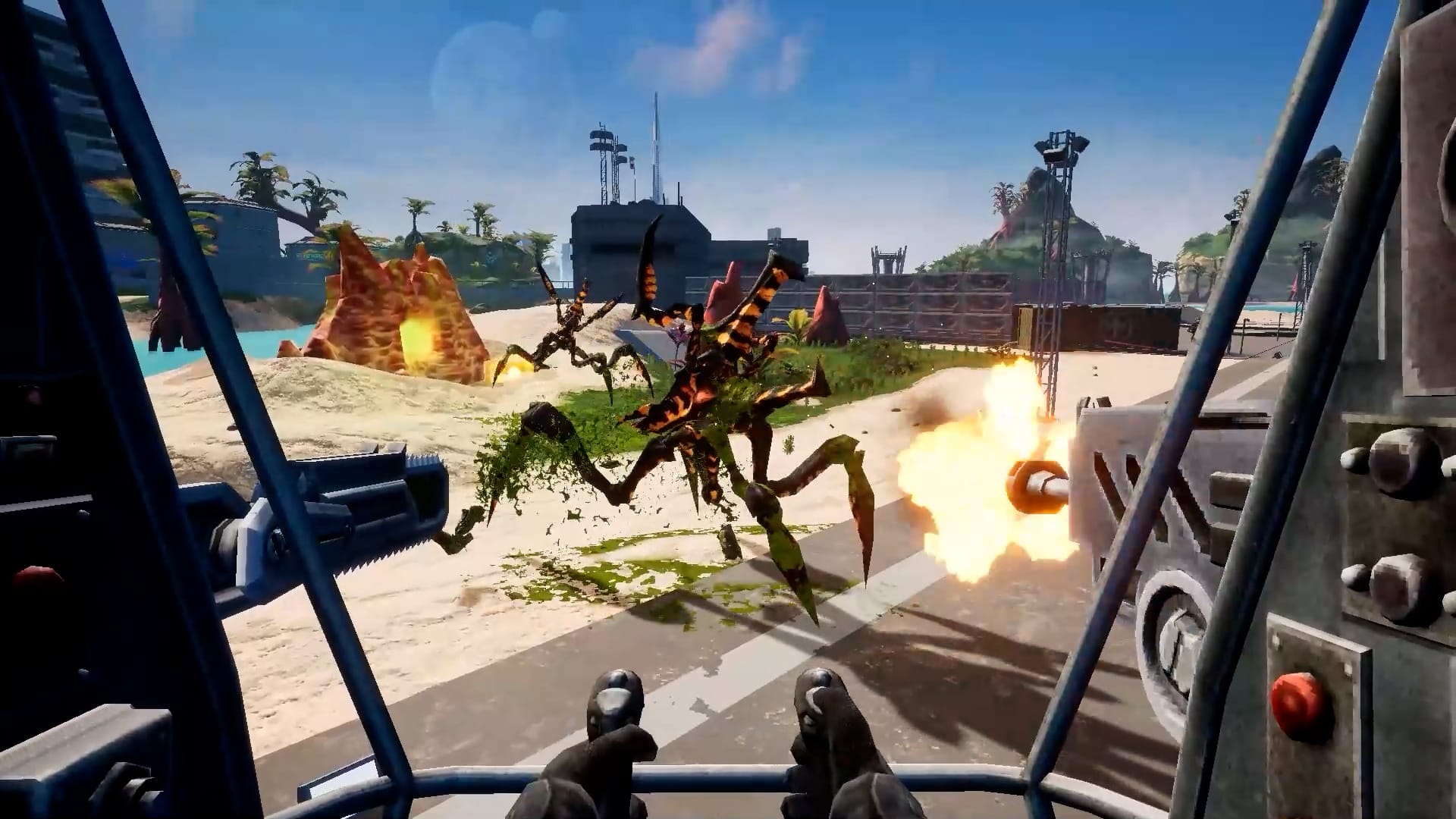
The decision to go retro with boomer shooter-like aesthetics was also a smart one. It not only fits the old-school tech of Starship Troopers' universe, but confronts the undercurrent of conservatism that can manifest within retro gaming circles.
The "good ol' days" nostalgia of modern conservatives can line up a little too well with attitudes towards retro gaming, whether it be a retro YouTuber I like randomly making an anti-mask video; a serial journalist harassers putting terms like “8-bit” in their usernames, conservative Palmer Luckey making a throwback console that plays Game Boy games; or the official White House account itself sharing clips from classic games to promote the war with Iran.
Although I know plenty of great people doing great work in the retro games space, that undercurrent of conservatism remains, and it informs why Starship Troopers: Ultimate Bug War works so well as a satire of classic militainment. If, like me, you have a lot of experience playing those types of games, you'll get a lot out of playing Starship Troopers: Ultimate Bug War. Retro isn't just an aesthetic notion of time – it can also describe a game’s thematic resonance
What's Old Is News
Dark Scrolls, Future Games Show, DLSS5, and more
Starship Troopers: Ultimate Bug War was the game I primarily played this week, but there are still some retro-related announcements I'd like to share:
- GamesRadar's Future Games Show featured many announcements of interest to readers of this newsletter:
- Dave The Diver's In the Jungle DLC launches on June 18.
- The VR remake of PC adventure game The 7th Guest is getting a flatscreen PC and console port.
- Project Shadowglass is a new immersive sim that uses hand-crafted 3D pixel art to one-up the look of those questionable viral AI pixel art games.
- Defender of the Crown is getting a remake, aptly subtitled The Legend Returns.
- Revamp is a neat tower-defense game inspired by Castlevania. Players build their own castles with a Metroidvania-like style of gameplay.
- The 9th Dragon, a new brawler with a 3D pixel art style, was announced.
- A former developer from GenePool Software Development shared design documents for "The Invincible Iron Man," an Iron Man action game canceled by Activision in the early 2000s.
- This Digital Foundry video shows that DLSS5 functionally adds an ugly AI filter on top of pre-existing, hand-crafted, frankly better-looking character models. Maybe it's time for retro graphics that don't use this technology to make a comeback!
- Doinksoft, the developers of some of my favorite retro-inspired games from recent years, like Demon Throttle, announced a new game called Dark Scrolls. I got preview code for this one and have been enjoying my time with it, so expect to hear more from me on it next week!
The Games We Play
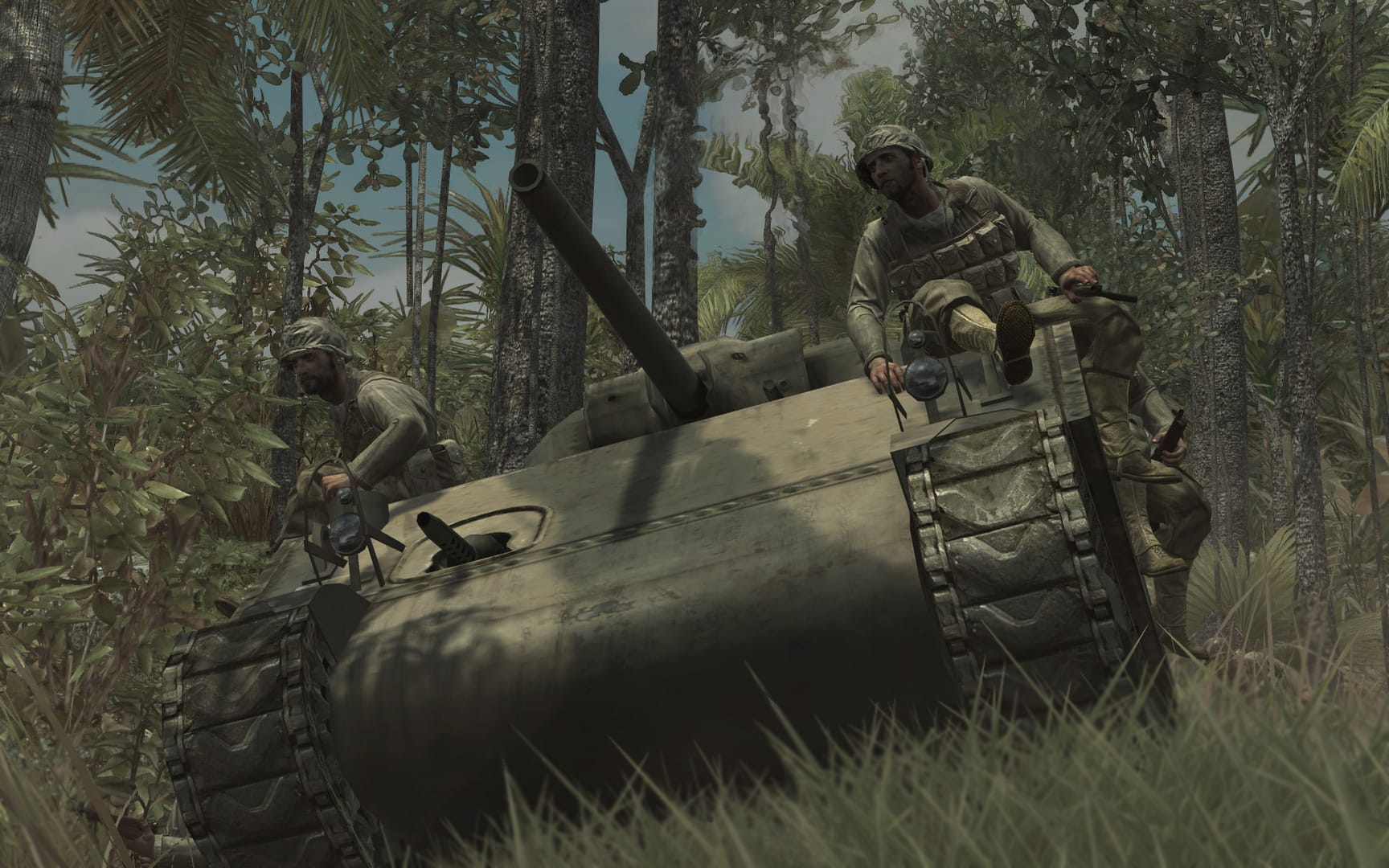
Call of Duty: World at War
Although I'm very critical of militainment nowadays, I can't deny that certain military shooters had a big impact on my gaming habits. In particular, I can always recall the fun I had playing Call of Duty: World at War after being gifted it on Easter, of all holidays. It taught me World War II history, gave me some fantastic co-op memories with my brother and friends, and forever put Call of Duty on my radar.
In retrospect, this came out right before Call of Duty really jumped the shark with the original Modern Warfare 2 and Black Ops. The grisly gore actually made World War II feel horrific, not glorified. Nazi zombies were genuinely frightening, as Nazis should be, rather than part of a cartoonish side mode. Still, the undertones of American exceptionalism being why we won World War II were definitely there, so it's very much militainment.
Whether it be a book from a problematic author or now dire-feeling undertones of a game you grew up with, there is some grief that comes from never being able to revisit a childhood classic in the same way ever again. That said, I can look back, understand the impact a game like Call of Duty: World at War had on me, and move forward more educated on the impact militainment can have as we enter a new war-filled period of American history.
I know this newsletter dealt with heavier subject matter than usual, so thanks for reading it all the way through. Please consider subscribing for free or supporting me on Ko-fi if you'd like!