Highguard Isn't The First Live Service Failure, But It's One Of The Most Worrying

Hey everyone, welcome back to Remastered. This week, I'm discussing the history of failed live service games in the wake of Highguard's closure. If you like what you read, consider subscribing for free!
Why Do Live Service Games Fail?
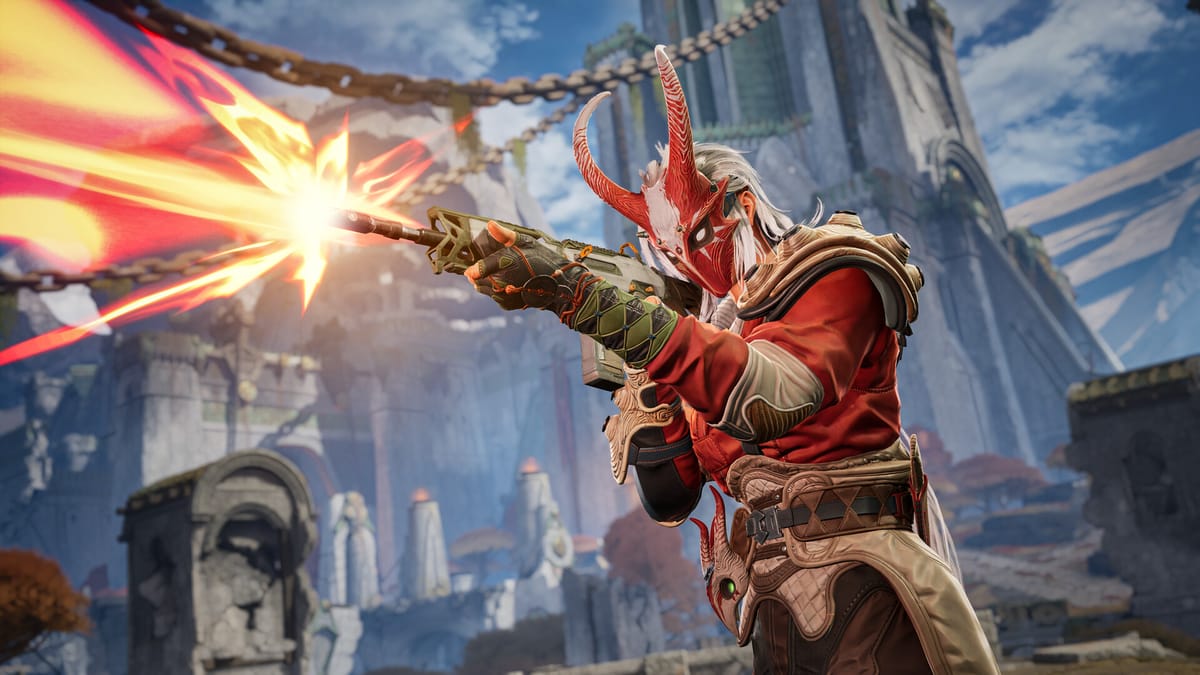
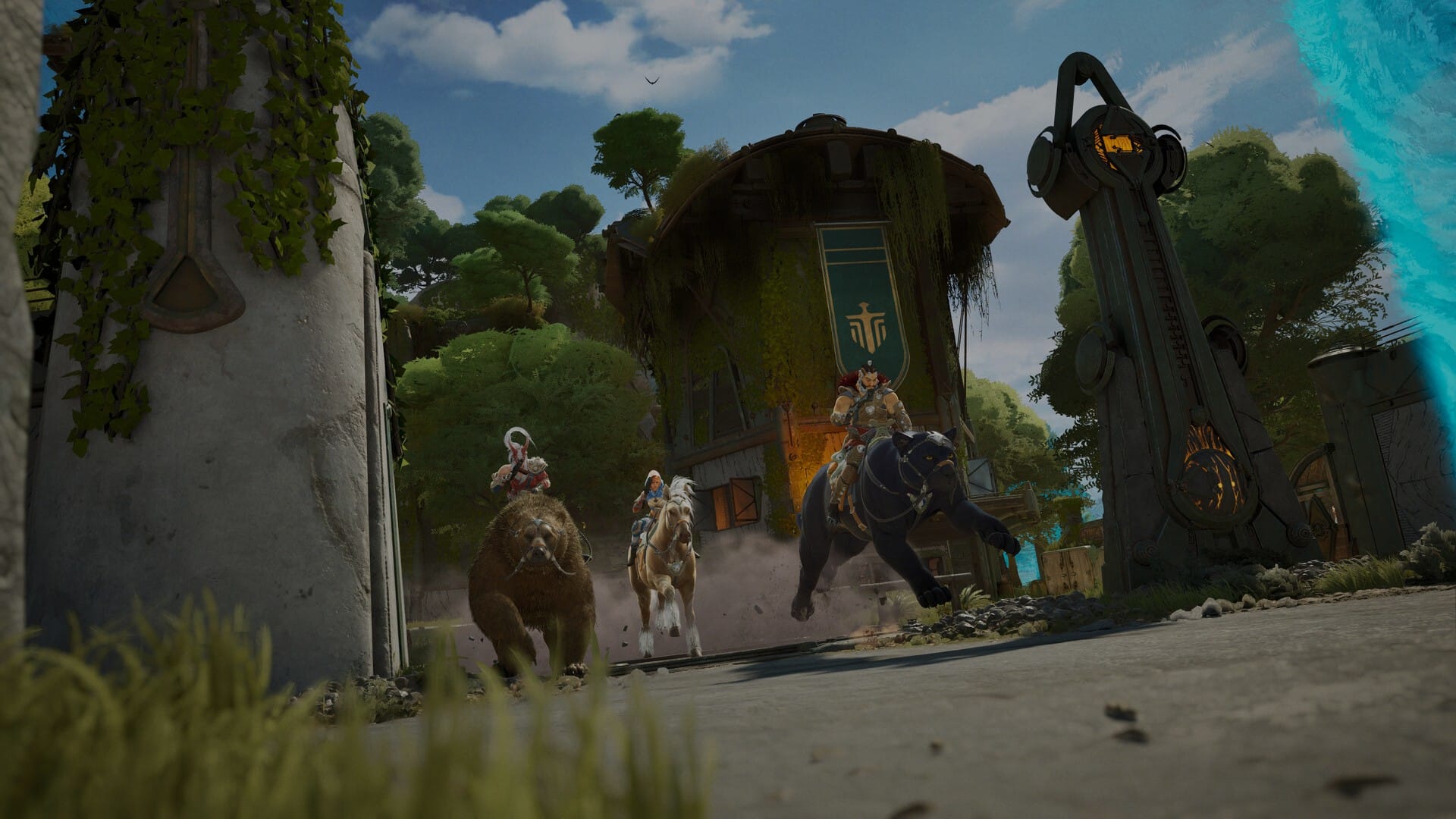
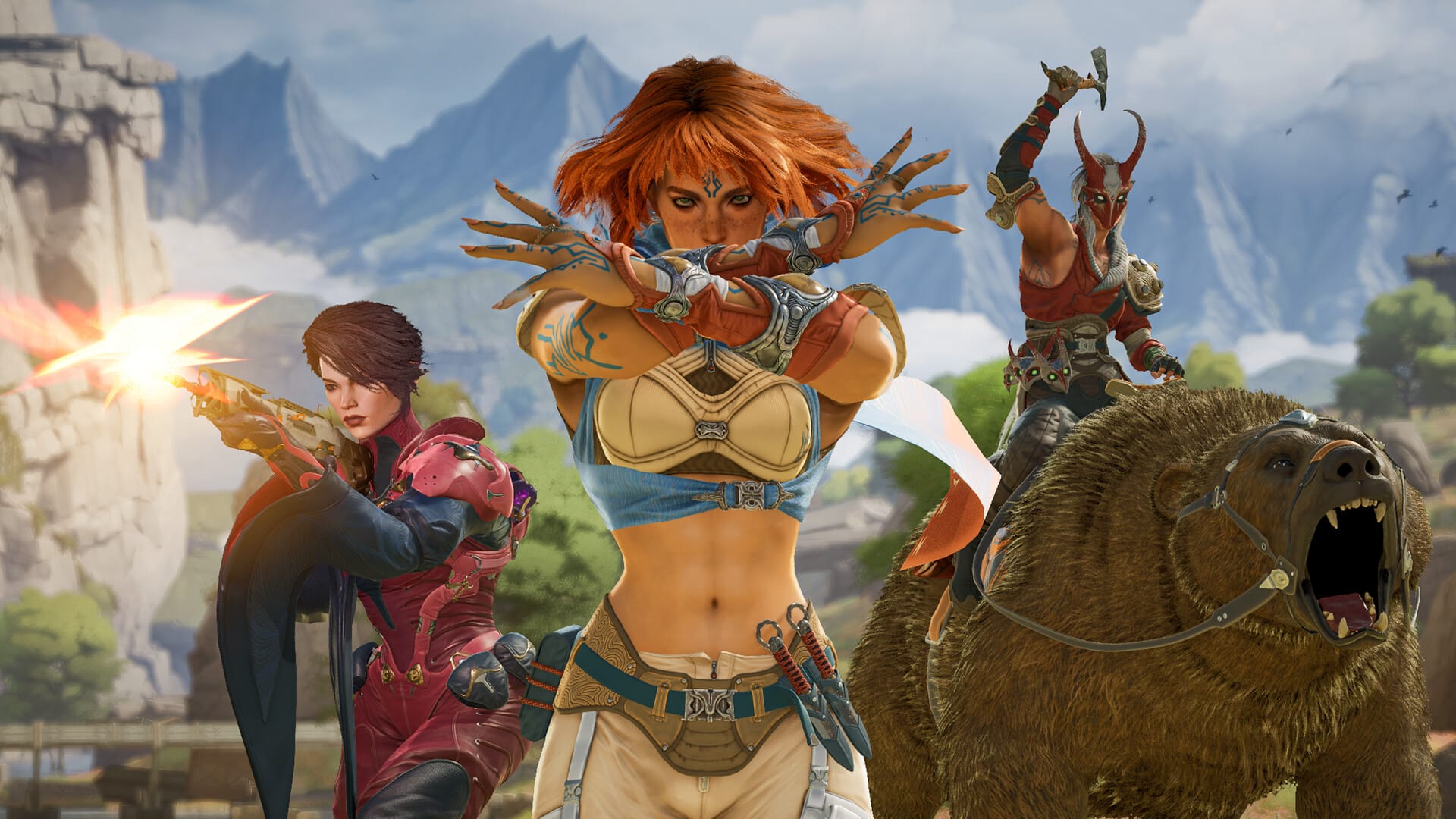
Highguard is no more. As of today, March 12, its servers are going offline, and the infamous hero shooter will no longer be playable. Its launch and subsequent failure is one of 2026's defining video game industry stories, but it isn't exactly an uncommon one. Since the advent of online gaming, failed live service games have frequently popped up throughout the industry's history. But now, each new failure impacts developers and players more and more.
Making live service video games has been a risky business ever since Ultima Online and EverQuest made them chic. For a long time now, the industry has built itself around those kinds of live service hits, even though they’re not the most stable ground to do so on. While we often define video game history by its successes, the failure of games like Highguard and Concord have been the industry’s most defining moments in recent memory.
This thread of live service failures can be traced back to the era of World of Warcraft clones. While World of Warcraft has faced many a challenger over the years, none have quite stuck as much as it and its contemporaries like Runescape. I'm currently working on my master's thesis at Old Dominion University, and that research has caused me to look into the history of failed live service games. The start of my time in this graduate program directly aligned with Concord's launch and subsequent delisting, so it’s the subject matter I’ve felt most compelled to dig into since the start of graduate school.
Although the failures of recent years feel more relevant, a look back at how the impact of these failures has changed is insightful. Games still flopped in the 1970s, 1980s, and 1990s, but they typically still remained playable even without many copies sold. But when operating online is the backbone of your game, you need that consistent player base and source of revenue to stay afloat.
World of Warcraft was such a massive success following its 2004 launch that many companies tried to make their own MMO and capture some of that audience for themselves. While some of these games remain in operation with small, dedicated communities today, many failed. Games like Matrix Online, Vanguard: Siege of Heroes, and Age of Conan failed to sustain audiences long-term.
Having famous developers who worked on successful games didn’t prove a guarantee at success, either. Most famously, Ultima creator Richard Garriott's Tabula Rosa fell apart amid a lawsuit with NCSoft, and a general failure to hit the player revenue of World of Warcraft. It certainly doesn't help that the United States was going through a recession around the time many of these games were released, too.
Entering the 2010s, we'd seen plenty of MMOs come and go, with more failures like Firefall and Wildstar still on the horizon. Then the success of games like Destiny, Overwatch, PUBG, and Fortnite inspired the latest generation of live service game failures. Developers attempted to recapture the magic of a game they liked (or even worked on before), but the nature of ever-present online games means the bar has been continuously raised to untenable levels.
If failures throughout video game history show anything, it's that an overreliance on trend-chasing rarely works. In an article about failed World of Warcraft clones, Polygon's Oli Welsh explained why it's so hard for new live service games to make space for themselves, especially if they're riffing on well-established games in the space:
"Hit-chasing, not a great strategy at the best of times, is almost impossible to pull off in the world of social, online games. The hits garner intensely loyal, invested audiences who play them month in, month out, and who aren’t really looking for something else to move on to."
Dating back to the days of World of Warcraft, why would gamers ditch their friends playing a game they already like to try something else? It's not impossible for new games to break through, but the bar has massively raised. For all of the external business reasons, games like Concord and Highguard failed, but at the end of the day, both games just lacked the quality to survive in such a competitive market.
The video game industry in 2026 faces unpredictable economic changes in the United States and around the world, which make investments riskier. The rise of social media has harshened the vitriol thrown toward new challengers in the live service space. Pastimes like online betting have stagnated the industry growth that early live service games capitalized on. Even the teams behind successful live service titles like Marvel Rivals and Battlefield 6 are seeing layoffs, proving success doesn't guarantee job security.
Failure in the live service space isn’t a new thing, but the reality is that these failures hit harder today than ever before. Since the mid-2000s, each new live service success has enamored those with power in the video game industry, and investment in that kind of game increased. Yet, as new live services were being worked on, successful live service games continued to thrive, and their communities became ever more entrenched.
Each new challenger in the live service space faces a more daunting challenge than the last, and the threat of comparison to all the failures that have come before. I’ve seen people online jokingly refer to Highguard as “Concord 2.” The next controversial live service game will likely be labeled “the next Highguard,” and curse its chances at success in an already tumult-filled game industry.
When you look back at the history of live service failures, the mistakes of modern live service companies aren’t exactly new. Rather, the impact of failure resonates with players and developers more than ever before, as each new failure creates more uncertainty for the game industry’s future.
This topic really interests me, and it’s one I'll be researching a lot more as I work on my thesis. Expect some of that research, and my findings, to make their way into this newsletter going forward.

What's Old Is News
The Super Mario Galaxy movie casting, Harlem Globetrotters, and more
- The revived game publisher Acclaim is publishing Super Basketball Classics, a new Harlem Globetrotters game inspired by classics like NBA Jam.
- Nightdive Studios confirmed that SiN: Reloaded will launch sometime this year. Its Blood: Refreshed Supply remaster is also getting a free expansion soon.
- Google put AI NPCs in a retro RPG-inspired tech demo at GDC, and it's as clunky as you think. As I wrote on Bluesky, AI-written dialogue lacks specificity, charm, and relevance to the world and what the player needs to know.
- Some more classic Mario characters were cast for The Super Mario Galaxy Movie, including Luis Guzman as King Wart, Issa Rae as the Honey Queen, and Donald Glover as Yoshi. The casting director definitely watched Community.
- The Simpsons' showrunner said "never say never" in regards to a The Simpsons: Hit & Run re-release, People reports.
- Xbox teased upcoming improvements to its backward compatibility program at GDC 2025, but remained vague on more specific details, per GameSpot.
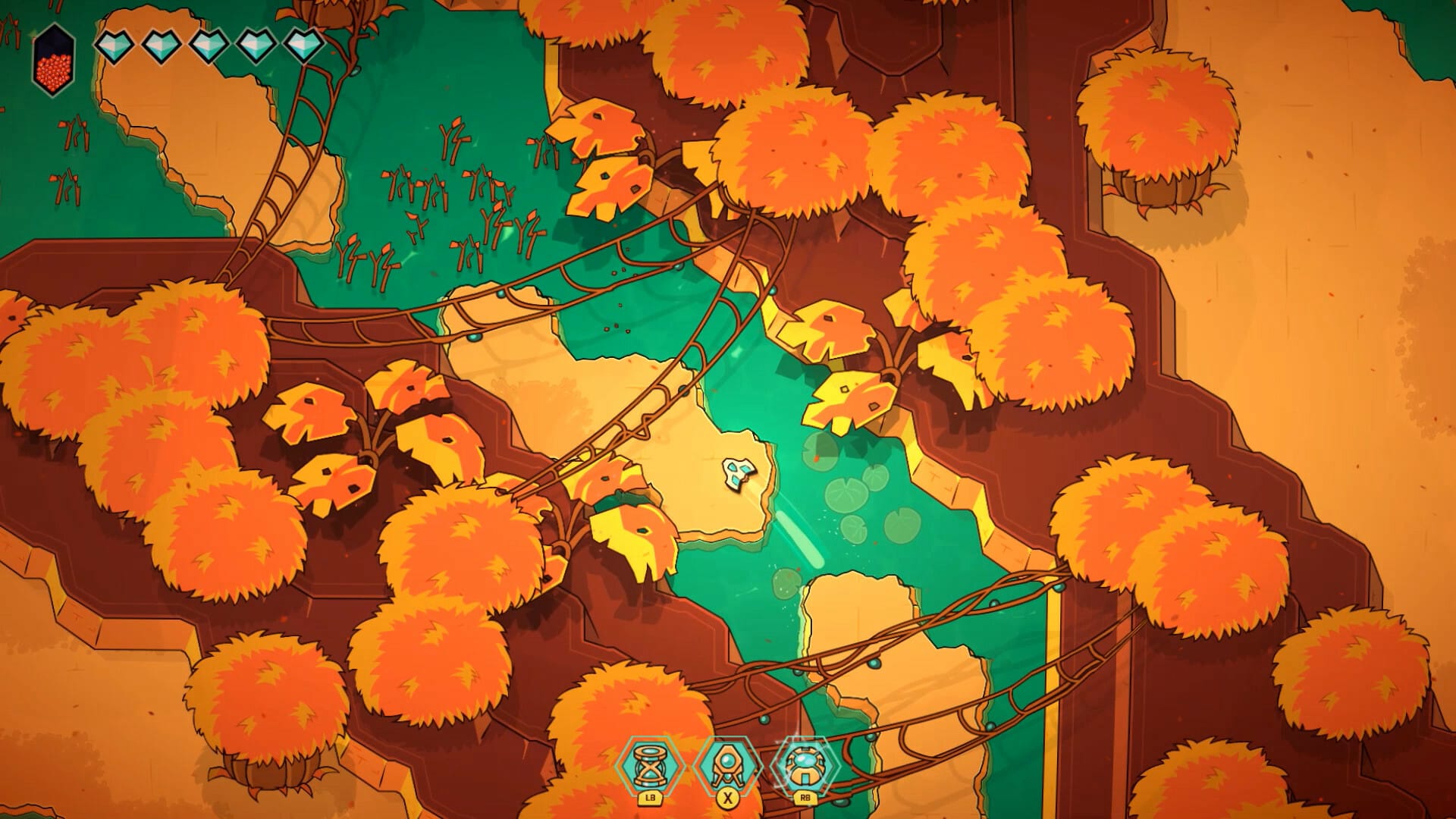
A few different games have been occupying my time and attention over the past week:
- Minishoot' Adventures: This Zelda and shoot 'em up hybrid got a lot of buzz when it came out a couple of years ago, but I didn't play it until it came to Xbox Game Pass last week. I've absolutely loved it, as it understands the fun basics of both genres it's mashing up. It does make me yearn for a new 2D Zelda not bogged down in gimmicky mechanics. Hopefully, we get one later this year for the series' 40th anniversary!
- Racheteer DX: Staying with the Zelda-likes, Racheteer DX is a short but sweet enhanced version of one of the best Playdate video games. I will note that while Zelda is the popular comparison I've seen thrown around a lot, many aspects of the world and sound design are clearly inspired by Game Boy Pokémon games, too. I can easily recommend it if you're a fan of classic Zelda or Pokémon.
- Gravity Circuit: I finally got around to playing this Mega Man clone from 2023. It's not the most original platformer, but it feels so crunchy and satisfying to play that I don't really mind. Mega Man: Dual Override can't come soon enough, although the fact it isn't using union voice actors is a concern.
- Marathon: Bungie's revival of this cult classic shooter IP is not for me. I love the game feel, world-building, and visual design of the game. The overly punishing and rarely rewarding nature of playing extraction shooters isn't for me, though.
The Games We Played
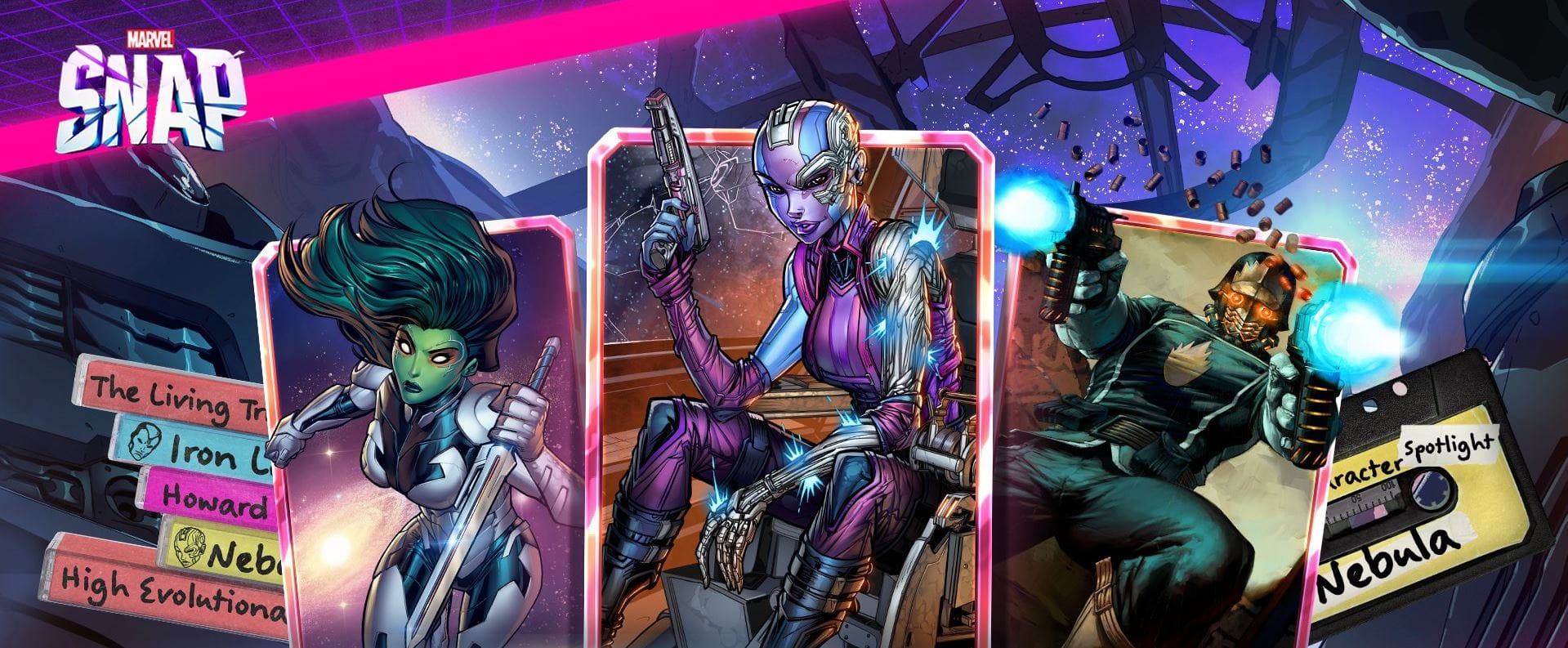
Marvel Snap
For as much as live service video games and the industry machinations surrounding them interest me, only a few have truly captivated me throughout my life. I've had spurts where I played Overwatch, Fortnite, Battlefield 1, Titanfall 2, and Call of Duty: Warzone almost every day, but typically flamed out of playing them after a few months. Only one live service game has gotten me to log in almost every day since it entered open beta nearly four years ago: Marvel Snap.
Marvel Snap is a masterfully designed CCG that's easy to understand but full of depth. I truly will never get bored with this game as there's always some card or deck archetype to keep me engaged. I feel community with the people on its Discord and corner of YouTube. While I know Marvel Snap's servers will inevitably go offline one day as Second Dinner's license expires, and I will complain and critique the game when its developers make bad decisions, I can't stop playing.
It's certainly one of my most-played games of all time, and I'd be kidding myself if I couldn't admit that it is one of my favorite games ever. It has truly helped me understand how much live service games can mean to people, and why I think it can be truly devastating when one goes offline or doesn't even get a chance to start its life and succeed.
Thanks for reading through Remastered this week! Please consider subscribing if you haven't already and support this free newsletter through Ko-fi.