Even Spiritual Successors Can Change Drastically During Development
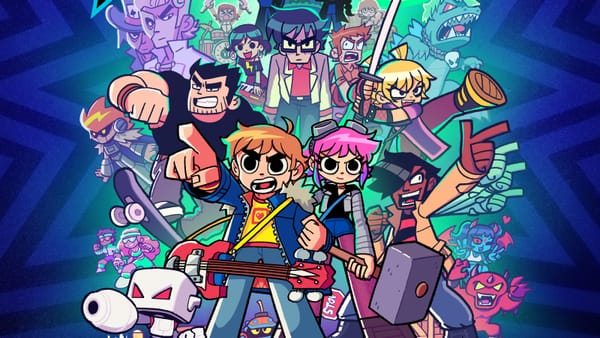
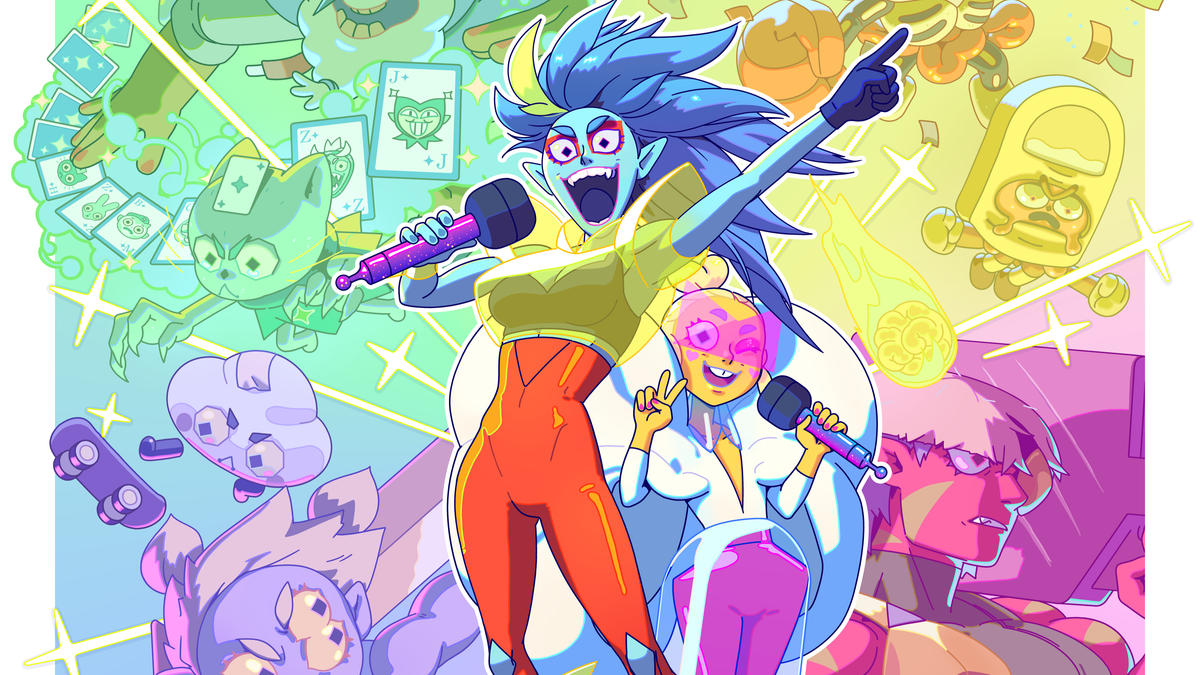
Battle Vision Network, spiritual successor to Might & Magic: Clash of Heroes, has drastically changed since its reveal.

Welcome to the second-ever Remastered newsletter! This week’s newsletter is about spiritual successors, and the particularly wild journey of one such game following in the footsteps of Might & Magic: Clash of Heroes. You’ll also find a minor scoop about a potential Critter Crunch remaster and my thoughts on God of War: Sons of Sparta. If you like what you read, please subscribe for free and consider supporting me on Ko-fi.
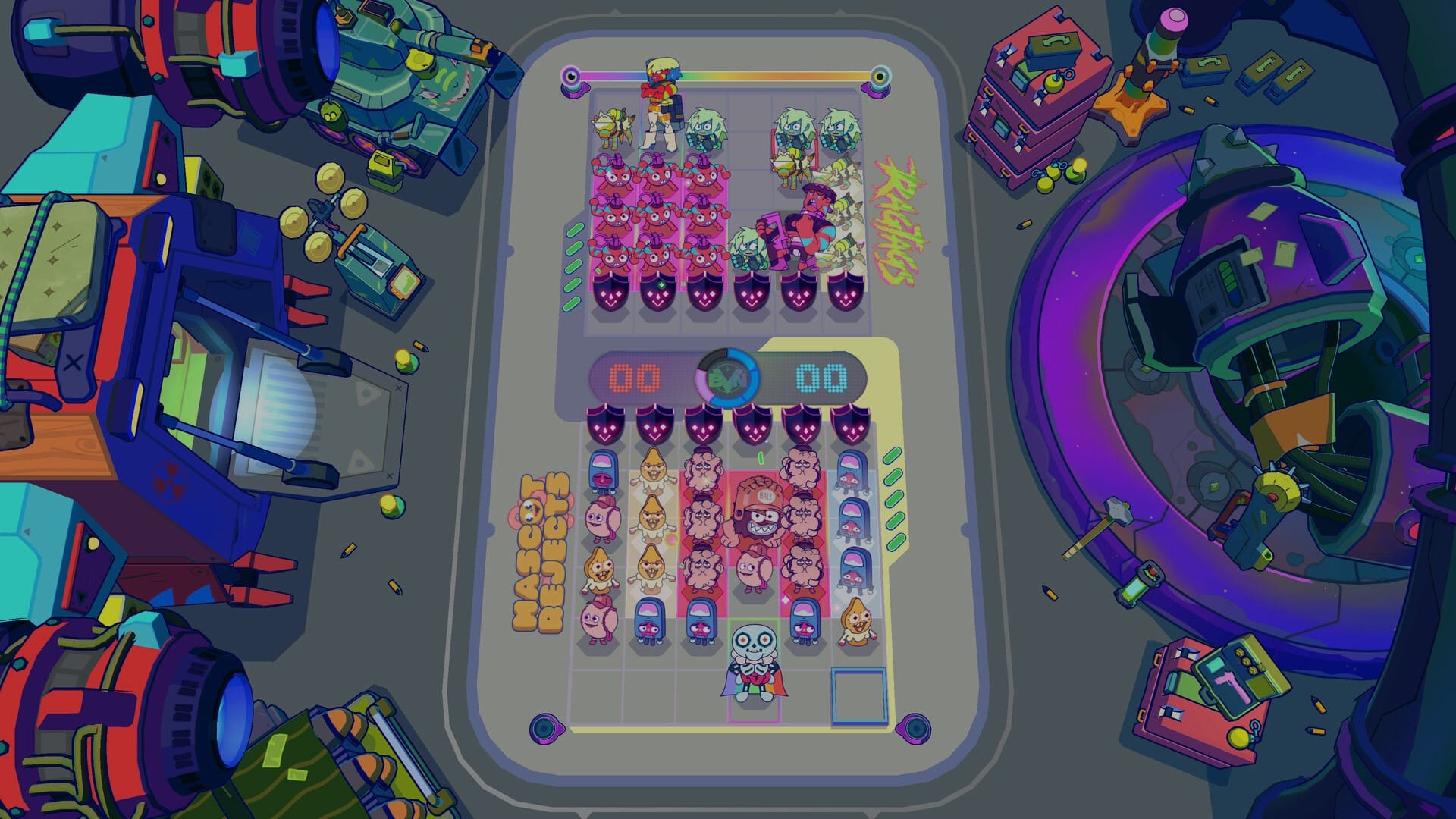
Battle Vision Network's Rocky Road To Launch
Might & Magic: Clash of Heroes' spiritual successor has changed quite a bit since its reveal.
Spiritual successors are one of the easiest ways a studio can get me interested in what they’re working on next. Seeing creatives revisit their best ideas through a newer, more modern lens already makes me confident I’ll be hooked, and it also piques my curiosity about how they’ll change up the formula. Sometimes, this approach will backfire and result in the Mighty No. 9s of the world, but it can also forge gems like Bloodstained: Ritual of the Night, Yooka-Laylee, and Fantasian.
Just because a game studio has a clear North Star to follow for design inspiration doesn’t mean development will be easy. That certainly wasn’t the case for Battle Vision Network, an upcoming spiritual successor to Might & Magic: Clash of Heroes, from Capybara Games. Originally announced in 2024 as a multiplayer-only PvP puzzle game for mobile, it’s now a single-player roguelite coming to PC.
I recently attended a hands-off preview event for Battle Vision Network where I learned more about the drastic changes, trials, and tribulations that gaming’s latest spiritual successor to a cult classic has faced. It gave me even more respect for this puzzle game concept revival, as Capybara Games fought to keep alive the spiritual successor it wanted to make.
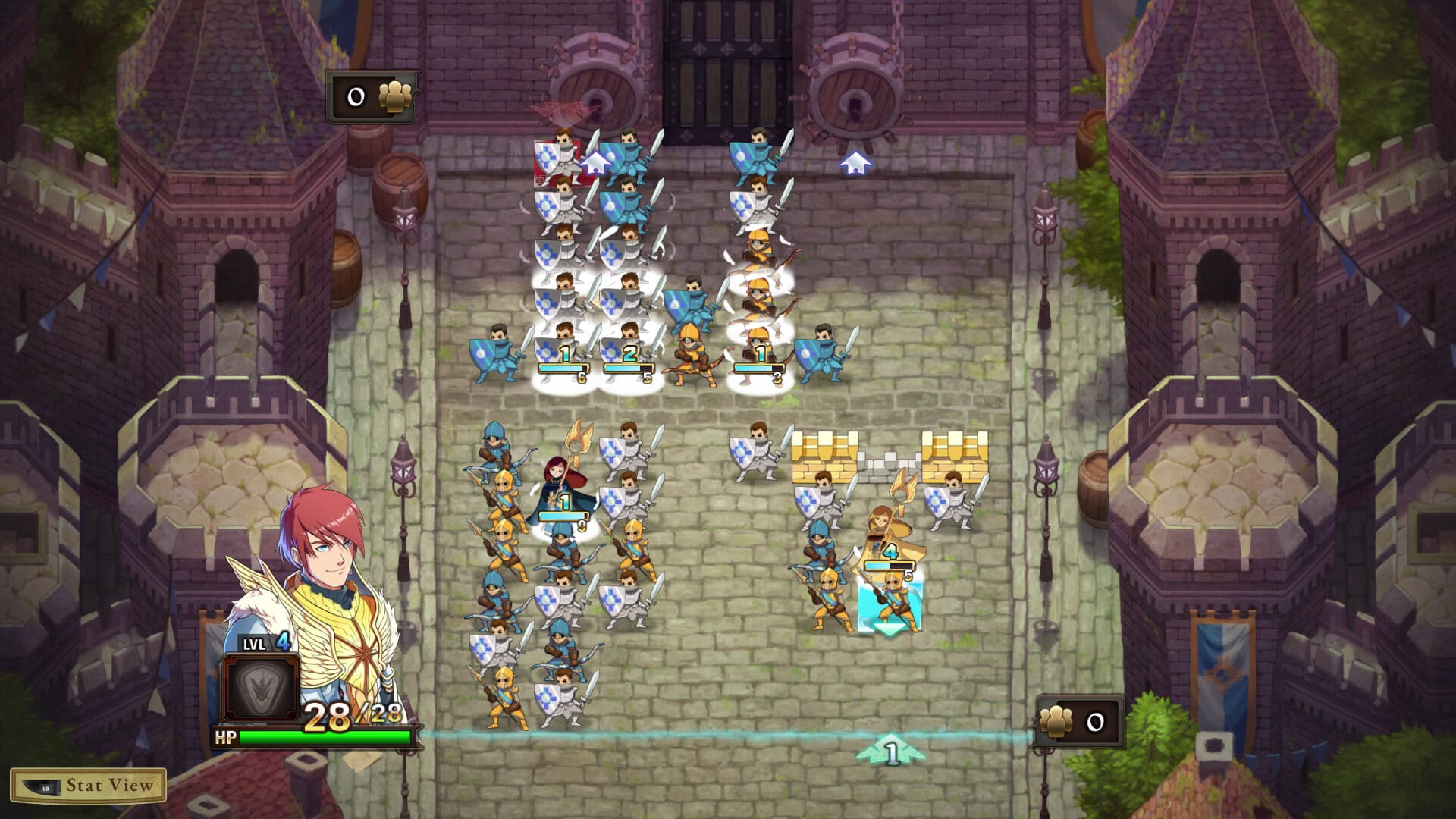
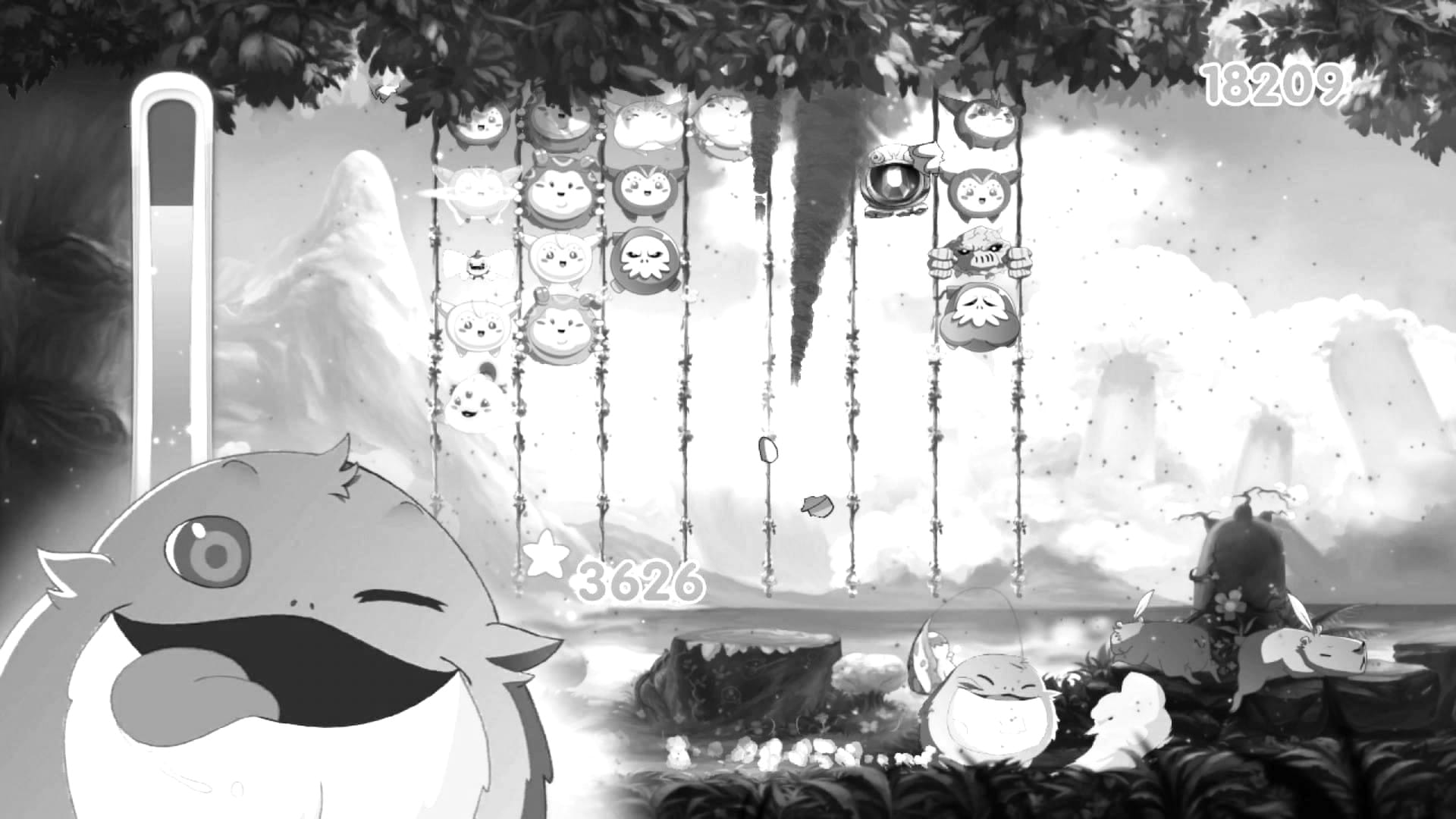
Might & Magic: Clash of Heroes was a level-based puzzle game for the Nintendo DS that blends turn-based battles and color-matching gameplay. The goal is to stack units of the same color vertically to launch attacks at your opponent, or horizontally to defend yourself. Clash of Heroes has gathered a cult following since its release and was remastered by Dotemu in 2023. A group of passionate devs at Capybara Games revisited Clash of Heroes’ gameplay at a game jam, and thus Battle Vision Network was born.
Much of what made Clash of Heroes special remains, although it trades the fantasy setting for one where players are partaking in sci-fi sports battles with characters that look like knockoff Guardians of the Galaxy members or cereal mascots. The “captains” are also now units on the field, which is the best gameplay change Battle Vision Network makes from its inspiration.
The meta structure around the entire game is almost completely different now, though. Originally, Battle Vision Network was positioned as a live service multiplayer game for mobile. You would enter into battles against other players, using a reimagined version of Clash of Heroes’ gameplay, and influence season-long narratives about which teams and champions would come out on top. Five-minute matches would make it snappy to play, and the hope was that it would become a marquee game for Netflix’s mobile game library.
Just months after the game was announced, that all changed. "We had a couple of really, really great years working with Netflix on that mobile-focused version of the game, but we found in late 2024 that Battle Vision Network was outside their changing strategy," Capybara Games President Eileen Hollinger explained. "We've had the really fortunate opportunity to reshape the game to make it work on other platforms."
As Game File has thoroughly reported, Netflix is now more concerned about tying its video game efforts into IP it owns. Netflix game ports and other publishing projects were impacted in this crossfire, and Battle Vision Network was one of them. Capybara wasn’t in the situation of a studio like Spry Fox, where they had to buy themselves out from Netflix. No, it was left with a game that would’ve been tough for them to release on mobile.
Creative Director Dan Vader laid out the game’s metamorphosis from there to me:
“We had built the game… aimed at a captive audience on a subscription mobile platform. Our ambitions were to reach that audience, so when that platform goes away, it no longer made sense for us to just release a 1v1 mobile game into the App Store ecosystem. It's a new IP not based on any existing brands, so we just felt like we could not release that game anymore. The decision became: do we just shelve this thing that we all love and have been working really hard on, or do we figure out a new format to twist it into and make it a new game for a new audience? Very quickly, we were almost kind of relieved that we could pivot it from mobile.”
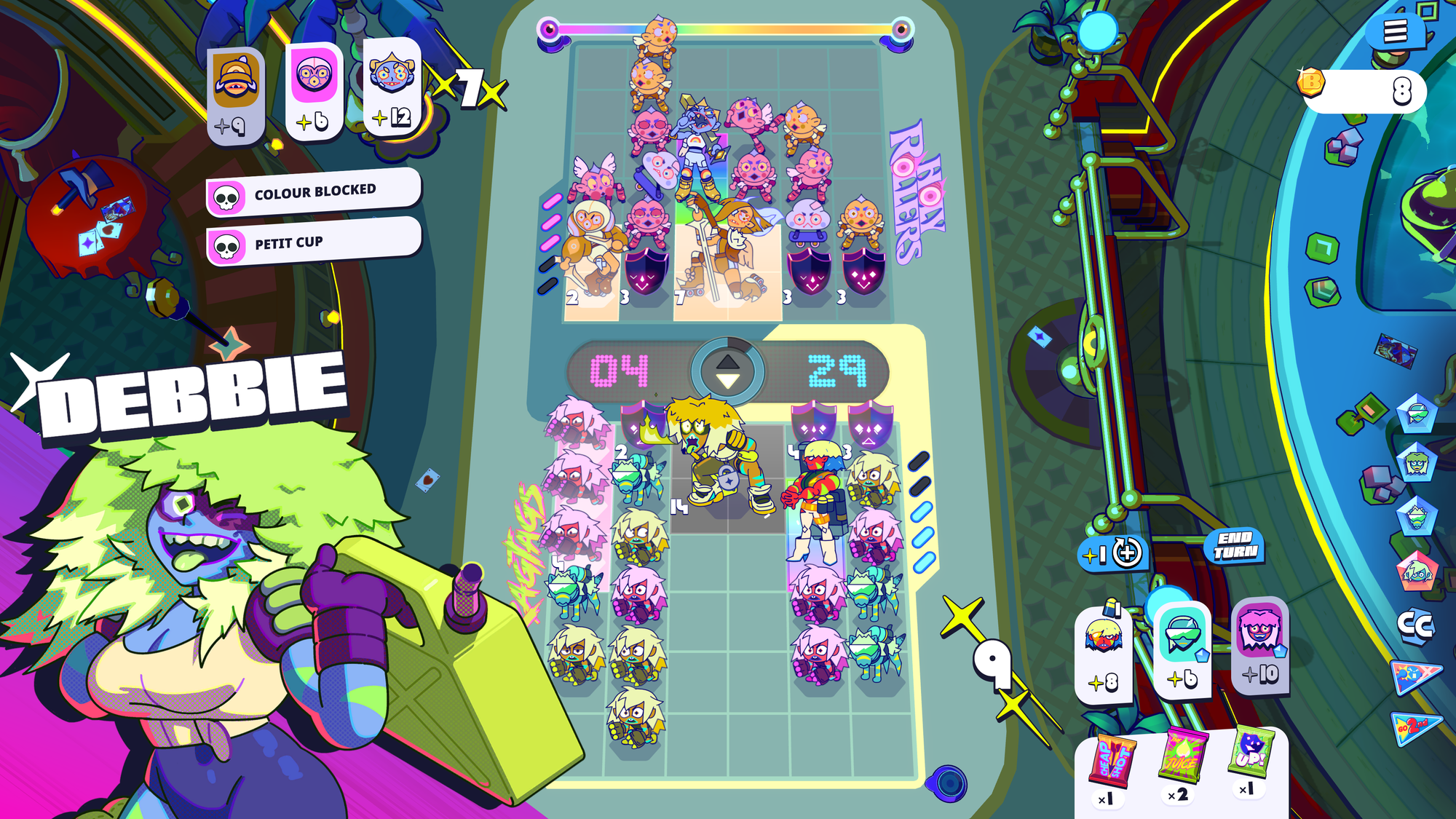
Now, PvP and mobile ports are on the back burner as post-launch hopes for the developers. Battle Vision Network will now be a single-player roguelike released exclusively for PC later this year, with other platforms under consideration in the future. Each run will constitute a “season” of the virtual show that gives the game its namesake, and is made up of several individual puzzle battles across three “tournament zones” that players navigate through.
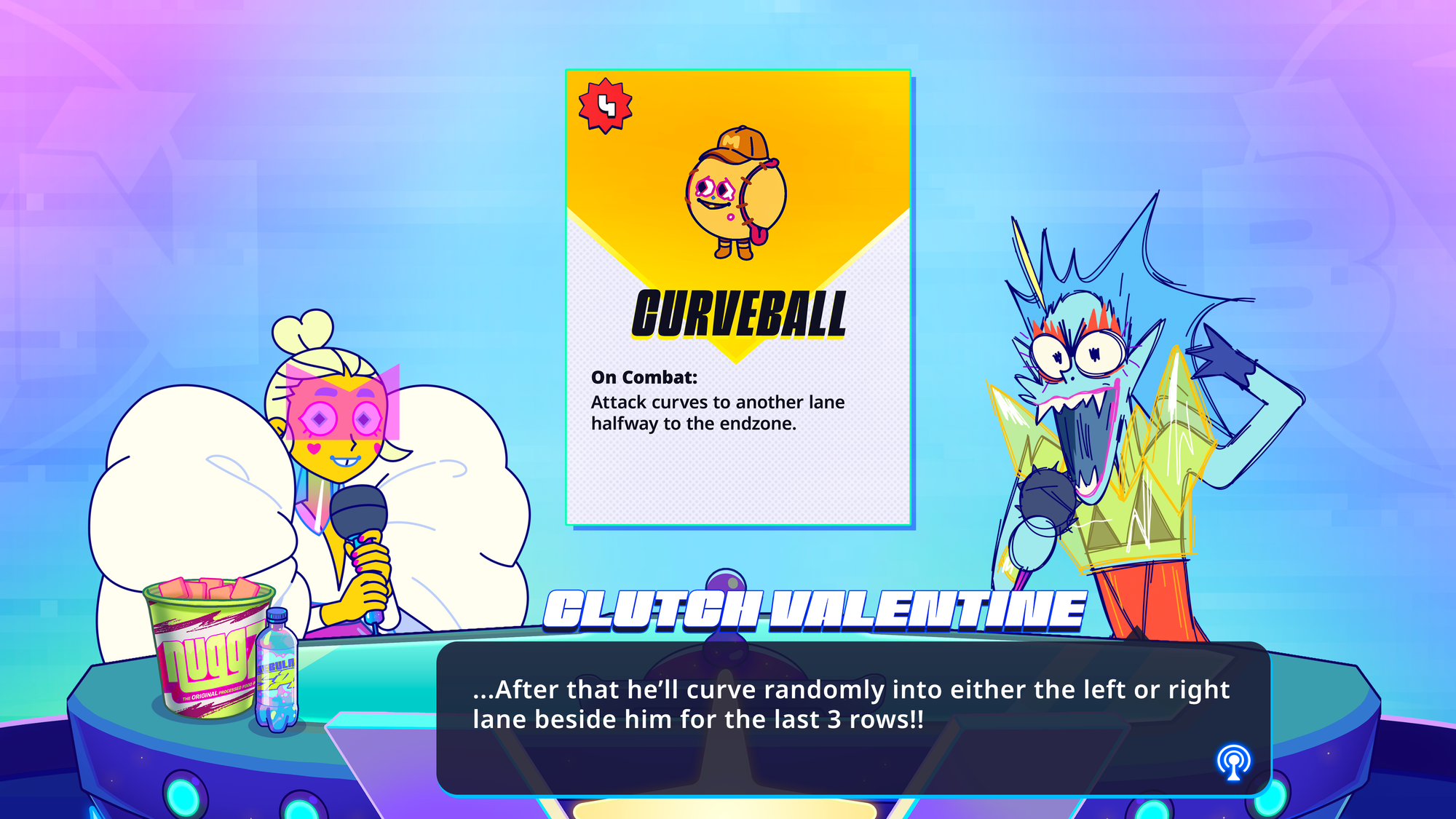
Players will start a run with just a captain and one core unit, but over the course of a run, will use earned currency to buy units and other upgrades in a “locker room” between matches. Meanwhile, two commentators will narrate every major move the player makes to give it some narrative flair. Between runs, you’ll unlock new teams and captains to use to shake up combat.
From what I saw in my hands-off preview of Battle Vision Network, it looks like players will be engaging with this roguelike in a much different way than they would a multiplayer experience when they play a match or two. It’s more Slay the Spire than Marvel Snap. It’s a major rework that required many adjustments to the game's underlying technical architecture, according to Hollinger.
Game development is not a straight line, and never has been. Games can start with one overarching vision or genre in mind and, by the end, look completely different. Oftentimes, these major shifts happen behind closed doors, and we don’t hear about them until after the fact. For example, a Bloomberg interview revealed Avowed was planned to be a Destiny-like before becoming a more traditional RPG. Sometimes, in the case of a game like Battle Vision Network, that shift happens a lot more publicly.
In some ways, I’d say being a spiritual successor may have helped Battle Vision Network survive through these turbulent times. Hollinger says Capybara always “felt really, really solid about the core battle” mechanics in Battle Vision Network. “That's been pretty strong actually from the start, but the meta progression was the part that we really had to rethink,” she emphasized.
This wasn’t a studio unsure whether or not they could find the fun, and then needing to adapt accordingly. It’s a story of a fun-looking game based on something people love that had to change because the wider video game publishing landscape failed it. Clash of Heroes’ core gameplay provided a North Star that Capybara could consistently follow for Battle Vision Network, and the studio is intent on seeing that through to the end.
Even then, this game’s journey shows that making a spiritual successor isn’t nearly as straightforward as it seems. The conditions of the industry that helped Clash of Heroes come to be aren’t the conditions that exist today.
I can relate to that as I work on this newsletter, a spiritual successor of sorts to my Digital Trends column Save State. Making something new is never easy, even if you already have a foundation to build on. Giving yourself the room to grow, change, and adapt is part of the fun of creation, even if it can really stress you out.
What's Old Is News
Critter Crunch, a new State of Play, and more
- There’s reason to hope for a remaster of Capybara Games’ Critter Crunch, although it’s not in the works right now.
- Video Chums’ A.J. Maciejewski mentioned that they’d like to see a “Critter Crunch Remastered” during the Battle Vision Network preview event, and Capybara seemed surprisingly keen to revisit that creature-munching puzzle game.
- “It is something that we talk about remastering fairly frequently, but we’re a small multi-project studio. But believe me, we talk about it,” Hollinger said.
- Vader added, “The world does need more regurgitating rainbow creatures, I agree."
- Sony’s latest State of Play was a treasure trove of announcements related to this newsletter:
- A remake of the Greek God of War Trilogy was announced, but it still seems to be a ways off. Mega Cat Studios also worked with Sony Santa Monica to create God of War: Sons of Sparta, a prequel Metrodvania about Kratos’ childhood (more on that later)
- Castlevania is finally coming back with a new game, Castlevania: Belmont’s Curse, from Dead Cells developers Motion Twin and Evil Empire. Even more Castlevania is on the way as the franchise turns 40.
- Legacy of Kain: Defiance Remastered was announced and launches on March 3. Legacy of Kain: Ascendance, a brand-new retro-styled 2D platformer, was announced shortly thereafter, with a March 31 release date.
- Metal Gear Solid Collection Vol. 2 launches August 27 and breaks Metal Gear Solid 4: Guns of the Patriots out of PS3 jail. It won’t feature MGS4’s take on Metal Gear Online, though.
- Mina the Hollower got a Spring 2026 release window, while a Yacht Club Games developer teased that it’ll be even bigger than every Shovel Knight: Treasure Trove game combined.
- Tekken: Dark Resurrection for PSP and Time Crisis for PS1 are coming to PS Plus Premium in the coming months. The PS2 Wall-E game hit PS Plus this week.
- Rayman: 30th Anniversary Edition was revealed and released by Ubisoft, Digital Eclipse, and Implicit Conversions. I haven’t been able to play it yet, but I plan to check it out soon.
- Hideki Sato, who played a pivotal role in designing Sega's consoles, and Castlevania and Bloodstained developer Shutaro Ida both passed away.
- Nintendo Switch Online’s Virtual Boy app and its related peripherals were released. Boy, do I want one, but there’s no way I’m spending $100 on it right now.
- Dino Crisis and Dino Crisis 2 were released on Steam. Make a new one, Capcom!
When it comes to what I played this past week, one game dominated most of my time:
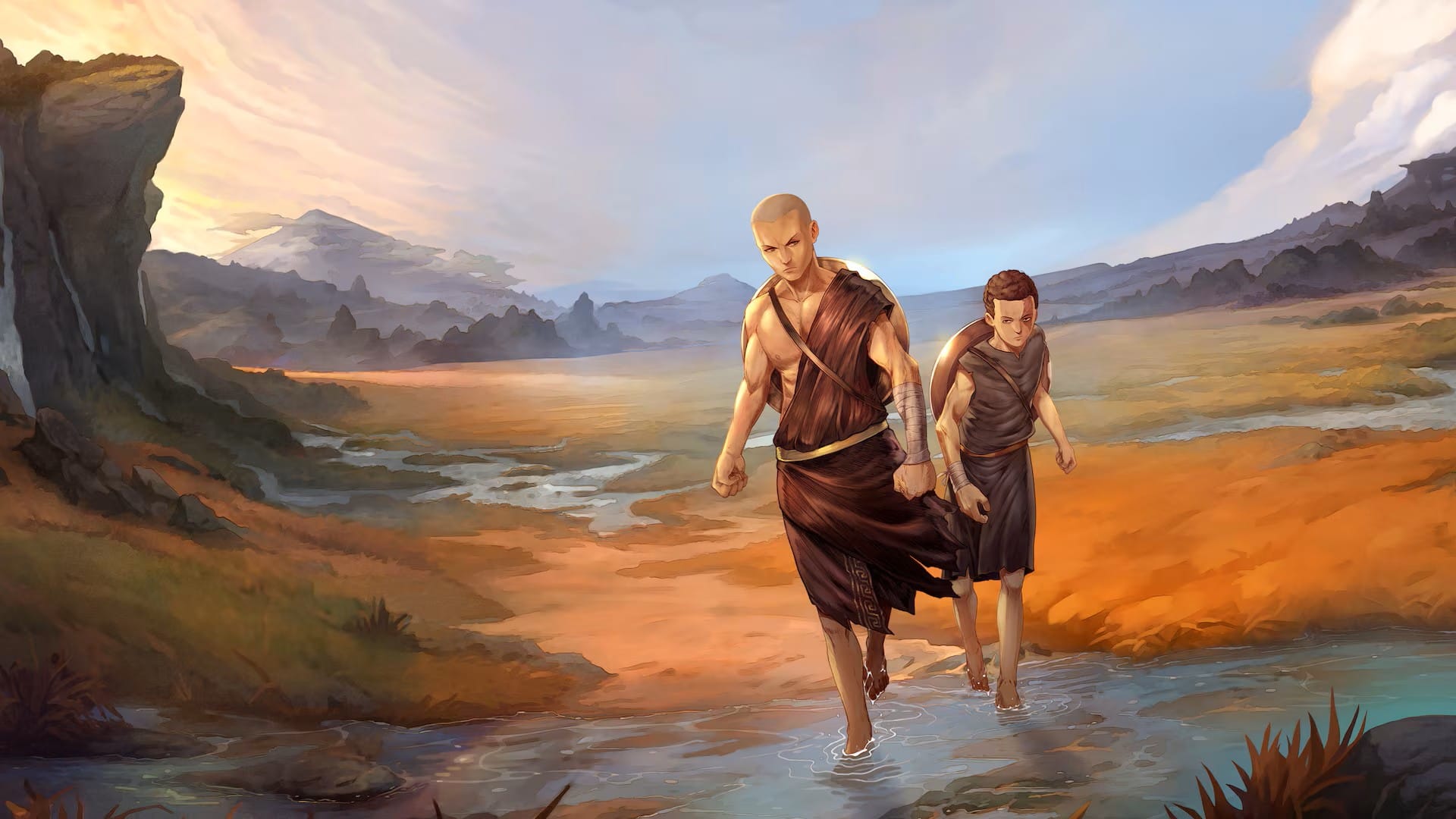
- God of War: Sons of Sparta: The launch of this retro-styled God of War game was perfectly timed with the launch of my newsletter. It’s a fascinating game for Sony to back, as it works to keep God of War relevant ahead of the Greek Trilogy remake and Amazon Prime TV show. Sadly, Sons of Sparta doesn’t actually do that much to stand out.
- The Metroidvania genre is incredibly crowded at this point, so you need something to stand out. Take Hollow Knight: Silksong’s beautiful animations and cohesive world, Nine Sols’ intense and fluid combat, Prince of Persia: The Lost Crown’s Memory Shard feature, or Animal Well and Axiom Verge’s use of retro aesthetics to push the limits of exploration and world design. In comparison, Sons of Sparta is a by-the-numbers Metroidvania with everything you’d expect from one styled after the 16-bit era of gaming. The combat isn’t very deep and is slower than classic God of War games, and I’ve seen most of the abilities in this game before in other Metroidvanias.
- The God of War connection is clearly meant to be the main hook as we follow the escapades of Kratos and his brother Deimos (a deep lore cut). Because it’s a prequel that can’t take that many bold narrative risks or feature that many shocking character appearances, the IP connection doesn’t do much for the game outside of providing some recognizable enemies and the return of T.C. Carson as Kratos. I’m more intrigued by the upcoming Legacy of Kain: Ascendance, for example, as it’s more recognizably adapting the IP it’s based on.
- If you really care about God of War, you probably already bought the game. At $30, though, there are plenty of better, cheaper Metroidvanias that I’d recommend before Sons of Sparta. If you want a retro-styled one with a connection to an older game, I’d recommend last year’s underrated and underdiscussed Adventure of Samsara from Ilex Games and Atari.
The Games We Played
Batman: Arkham City
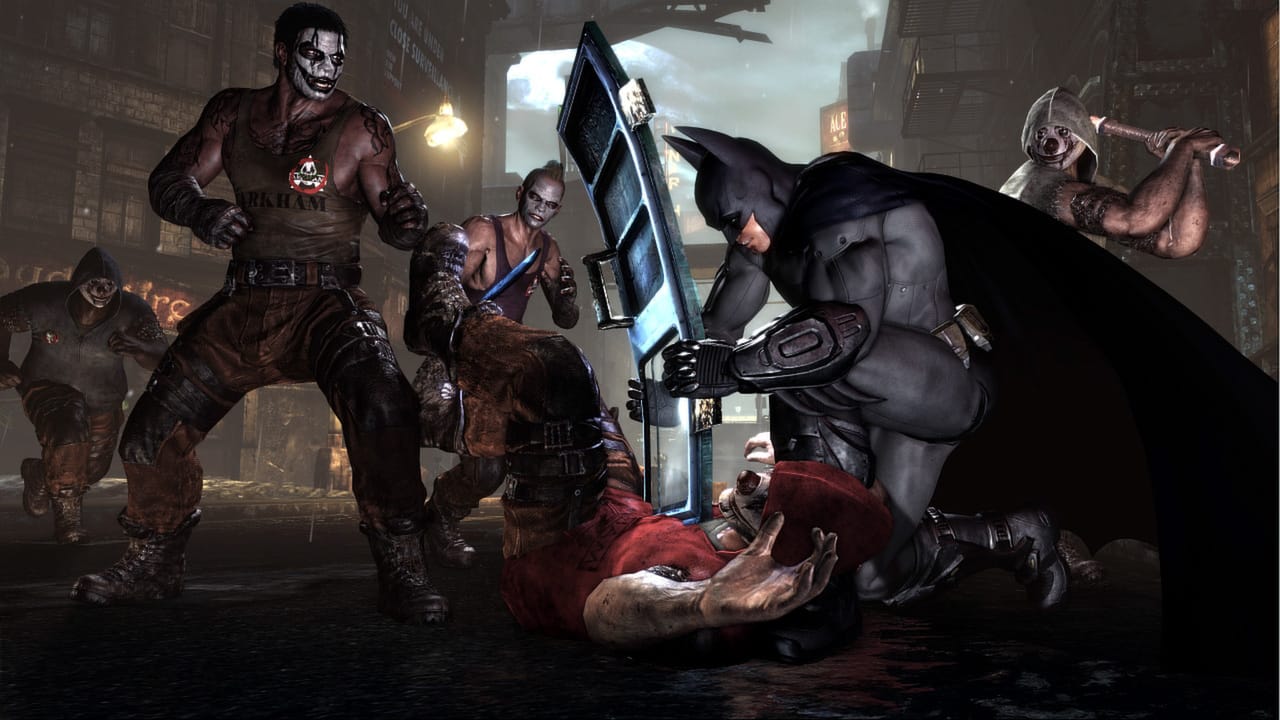
I wrote a lot about having to pivot creatively in this newsletter, which made me think about when my entertainment interests really shifted towards gaming. One of my favorite games of all time is responsible for that: Batman: Arkham City. My father and brother were big fans of superheroes, so I was a fan of characters like Batman, Spider-Man, and even The Punisher from a very early age.
I grew up reading comic books, as well as kid-friendly “Ultimate Guides” that compiled information on DC and Marvel’s biggest characters up to the early 2000s. Of course, I played lots of video games before then, but I would’ve considered comic books my primary interest.
The release of Batman: Arkham City was almost perfectly timed with a cross-country move my family made, so I spent a lot of time playing it. How lucky I was: Batman: Arkham City features one of the best stories in any superhero game and fulfills its superhero fantasy in a way only Insomniac’s Spider-Man games have rivaled.
Batman: Arkham City was a game I loved so much that I started to go online more frequently to read and hear more about it. It made me take note of similar titles coming out. I fully embraced the world of video games as I kept replaying Arkham City and awaited Arkham Knight. Looking back, it’s the point at which I became as much of a video game fan as I was a comic book fan. About five years later, I was contributing to DualShockers and starting my journey as a game journalist.
Thanks for reading to the end of this Remastered newsletter. Consider subscribing for free if you haven’t already, or supporting me on Ko-fi if you are. See you next Thursday!